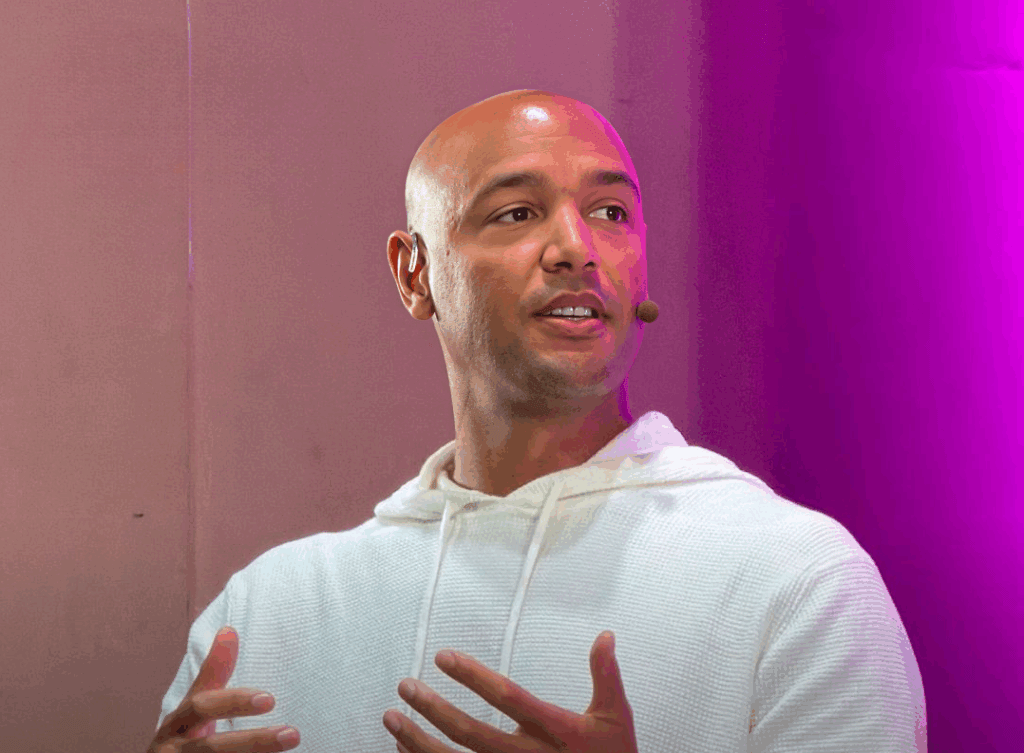
Create Music Group’s Darlene Hall on Distribution After Release Day

Getting music onto streaming platforms has become one of the least distinguishing services a distributor can offer. Artists and labels can access digital delivery from numerous companies, which means the real differences begin once the release is available.
For Darlene Hall, Senior Director of Distribution at Create Music Group, distribution now involves monitoring an entire catalog, resolving rights conflicts, interpreting listener data, and responding when an older track gains attention without warning. Release week remains important, although it represents one portion of a much longer commercial cycle.
That expanded role also places distributors near several unresolved industry questions.
AI-generated uploads are increasing, streaming data continues to develop, and social platforms can change the commercial position of a track years after release. In this WMC interview, Hall discusses how Create Music Group evaluates partners, which early performance indicators deserve the most attention, and why catalog integrity may define the next stage of independent distribution.
Be apart of conversations like these by purchasig your badge for Winter Music Conference 2027 here.
Interview With Darlene Hall

How has the distributor’s role changed as independent artists and labels expect greater access to data, marketing support, and financing?
Over the years, we have grown our teams, which has allowed us to offer more to our clients. Previously, DSP data was really only given to distributors via statements, but with new DSP backends and APIs becoming available, it has allowed us to build custom tools for our artists and labels to provide live insights on performance and playlisting data.
When DSPs shifted focus to playlist placements, it changed the way users discovered music and became a priority for artists and labels. They looked to their distributors to highlight their priorities to DSPs for placements and build out the story of the release, which is something we are doing every day.
What separates a distribution partnership that supports sustained growth from a basic arrangement focused on delivering releases to streaming platforms?
It is everything that happens after the delivery. At this time, anyone can sign up with a distributor and get their song live on DSPs. A real partnership is everything downstream: are the splits registered correctly, are rights conflicts getting caught and resolved, is the composition side actually collecting, are spikes being highlighted and action taken. Looking at the full catalog instead of focusing on just new releases is another difference. A transactional distributor optimizes for release week.
A partner treats a five-year-old track as an asset that could spike tomorrow because these days that might genuinely happen.

How has social-first music discovery affected the way distribution teams assess and support releases?
Social media has changed the landscape of a release’s lifespan.
An old track can all of a sudden gain traction because of someone using it in their TikTok or Instagram video. This changes the job of both distributors and labels; you’re not just supporting a release cycle but keeping an eye on your whole catalog to look for these spikes and act on them. This is why it is so important to build systems where you can react quickly.
When Create Music Group evaluates a prospective artist or label partner, what indicates that the team is prepared to expand its operation?
When partners arrive with a clear goal or vision, it goes a long way. Having the right infrastructure is crucial, which includes maintaining a steady release cadence with organized assets and metadata. As a partner to our owned and operated labels, we provide resources and build out infrastructure to help them achieve greater success in their business.
Which performance indicators deserve attention during the first month of a release?
During the initial month, I would closely monitor metrics such as skip behavior, save rates, playlist additions, and especially the streaming sources. It is also essential to evaluate the audience itself: are fresh listeners streaming the track, and is there a social media trend showing that fans connect with the music?
Although algorithmic streams indicate that a platform successfully keeps existing listeners engaged, attracting a completely new audience remains just as critical.

Looking toward the next five years, which part of music distribution do you expect to change most, and what should independent companies begin preparing for now?
It seems that the industry faces an unexpected shift every single year, with the current challenge centered on maintaining catalog integrity amidst a surge of AI-generated content.
Because a significant volume of completely AI-created tracks is uploaded daily, the industry is already scrambling to keep pace. Countless questions remain unresolved regarding what truly qualifies a song as 100% AI and who bears the responsibility for tagging it. These discussions will likely persist over the next five years.
While our industry moves at a rapid pace, crucial operational choices of this nature require time and consensus from all parties. In the end, achieving longevity as an independent entity depends on the ability to pivot quickly and lean into the constant evolution of the landscape.
The Biggest Takeaway From Our Conversation?
Hall’s answers describe a distribution market in which access has become easier while administration has become harder. Delivery can be automated, although split registration, composition income, rights disputes, metadata, and catalog activity still need active supervision.
Her comments about older recordings are especially relevant.
Social discovery has weakened the assumption that a release receives one commercial window. A five-year-old recording can attract new listeners after appearing in a short-form video, leaving labels and distributors with limited time to assess the source and coordinate a response.
AI-generated uploads introduce a separate operational problem…
Before platforms can apply consistent policies, the industry needs agreed definitions, disclosure standards, and responsibility for tagging. Hall does not present that process as settled. Her answer instead identifies catalog integrity as an area where distributors, platforms, rights holders, and artists will need to reach shared decisions.
The distributor’s role is therefore moving further away from file delivery as Hall presents it as continuous catalog administration supported by current data, accurate rights information, and the ability to respond when listener behavior changes.