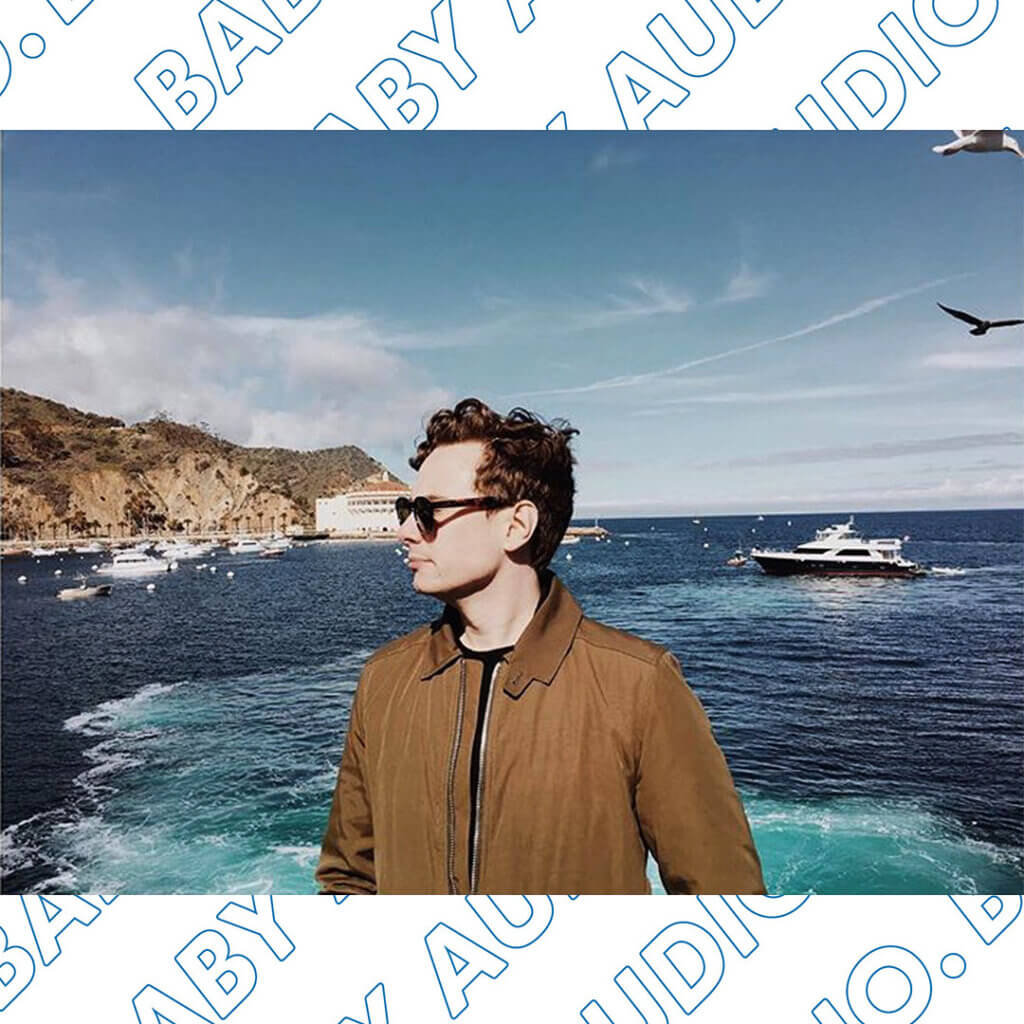
Matthew Hoag On Turning Promoters Into Big Buisnesses
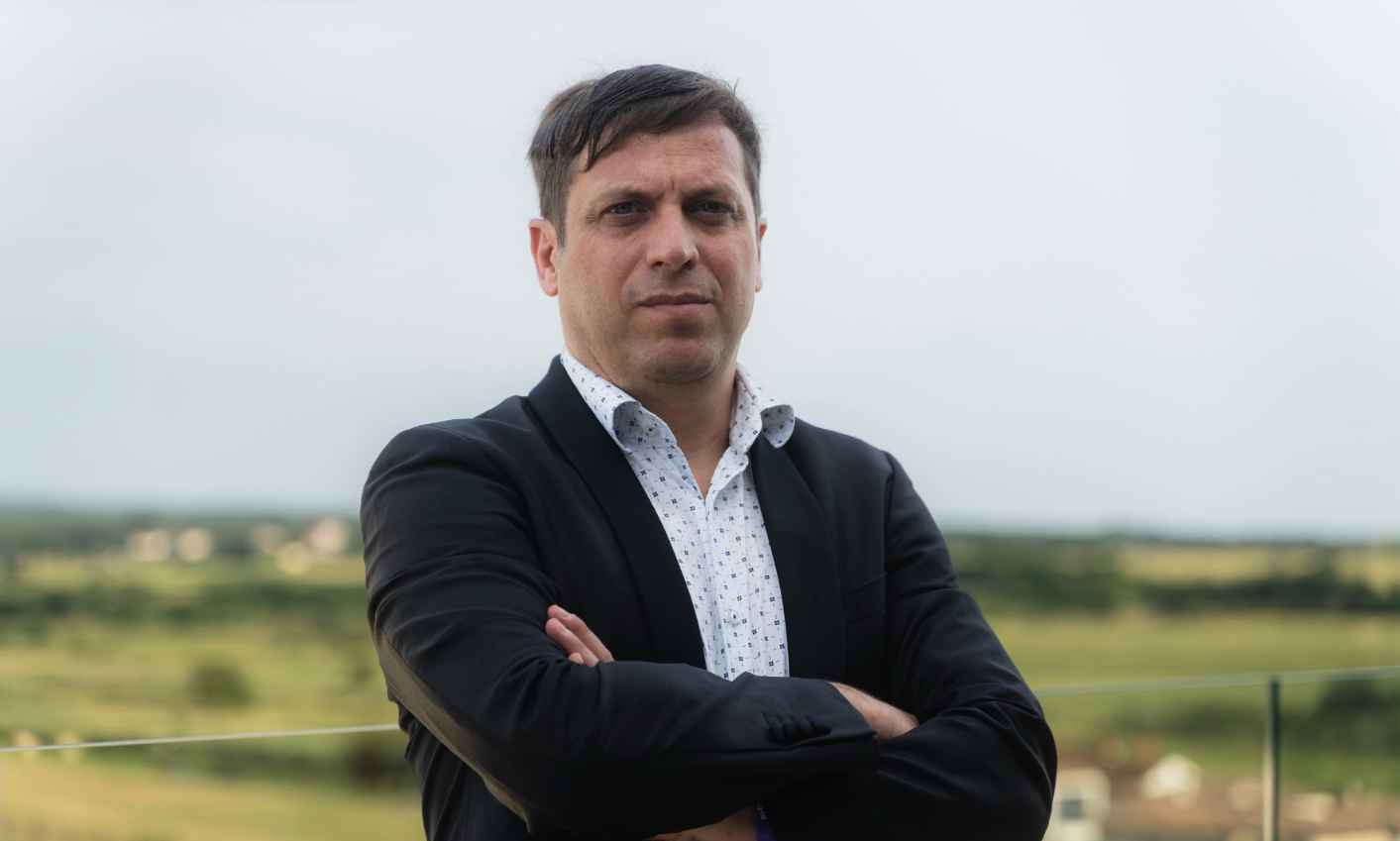
A successful event and a sustainable event company are two different achievements.
A promoter can fill a room with the right booking and still have no repeatable model once the night is over. The difficult step is turning that initial success into an identity people return to while creating a company that can operate beyond its founder.
Matthew Hoag began as a DJ and promoter in Slovenia’s underground scene during the 1990s, working alongside UMEK and Valentino Kanzyani before moving into festival production. He later became Global Commercial Director at elrow, helping lead the company during its largest period of international growth as the brand expanded to over 100 shows per year across six continents.
Hoag has since moved from operating a single event brand into investing in and advising live entertainment and creative technology companies across Europe, MENA, India, and Southern Africa through Interstellar.
Ahead of WMC 2027, we spoke with him about promoter authenticity, developing companies around individual events, protecting local communities, and deciding which emerging operators are worth backing.
Be apart of conversations like these by purchasing your badge for WMC 2027 here.
Interview With Matthew Hoag
You began as a DJ and promoter in Slovenia’s underground scene during the 1990s. Which lessons from that period still influence how you assess event businesses?
The nineties were a fascinating era for us in the former Yugoslavia. A new country was being formed, so there was a huge amount of introspection, with a whole society asking who it actually was. Authenticity was the single most important lesson I took from it: how to be authentic, how to bring something original to the table, and how to stay true to yourself when it would be easier not to.
That is still the first thing I look for. You can feel very quickly whether an event exists because someone genuinely had something to say or because someone saw a format working somewhere else and copied it. The first one has a future. The second one has a good year or two.
What separated the promoters who built sustainable operations from those who depended on individual successful nights?
Three things. First, vision. You need a big, slightly frightening vision and the nerve to go after it because, without it, you are just booking dates. Second, perseverance and discipline. Nobody talks about these because they are not glamorous, but without them, nothing survives past the first bad season. Third, the product. You have to give people something more than a good lineup in a good location. Otherwise, you are competing on price and talent fees, and that is a race nobody wins.
The ones who only had great nights were selling a night. The ones who built businesses were building something people wanted to belong to.
How did working alongside artists such as UMEK and Valentino Kanzyani affect your understanding of the relationship between artists, promoters, and local scenes?
Working alongside UMEK and Valentino was life-changing. UMEK, in particular, gave me the opportunity to experience the global scene and see how it works from the inside.
What I learned is that no matter how big an artist becomes, they need to stay humble, treat everybody with respect, and eventually give something back to the scene that raised them. Those are the values that separate a real artist from someone passing through. The same is true of promoters. The scene is not a resource you extract from. It is something you are borrowing and should hand back in better shape than you found it.
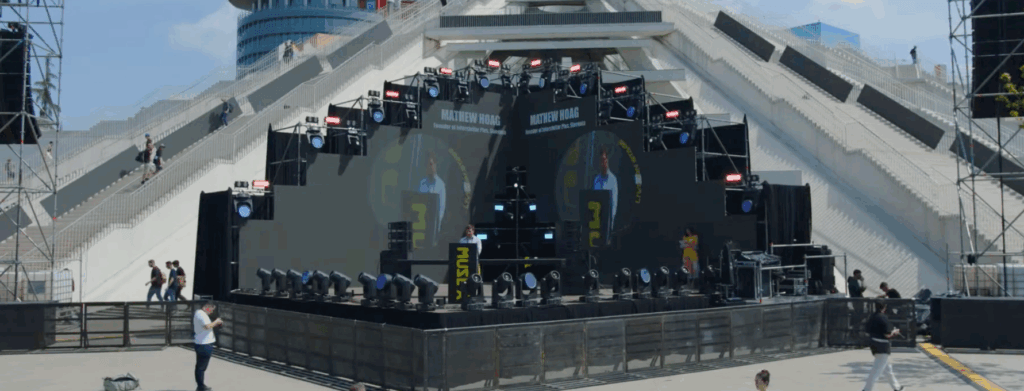
When an emerging promoter approaches you for investment or advice, what do you examine before considering audience size or headline bookings?
I look at the story they want to tell and the vision they have. If the vision is not big enough, or if there is no story behind it that holds emotional value, then I am not interested. It needs to be emotional, and it needs to have the potential to become something special.
Which founder qualities suggest that a promoter can develop into the leader of a larger company?
The story they want to tell and the vision behind it. If the vision is not big enough, and if there is no story underneath it that carries some emotional weight, I am not interested. Numbers can be bought. A lineup can be bought. Meaning cannot.
It has to be emotional, and it has to have the potential to become something genuinely special. After that, I look at whether it could survive without the founder in the room because that is the difference between a great promoter and a company.
Where do you see the best applications for technology in ticketing, audience data, event operations, and customer retention?
The biggest opportunity is in new AI systems that pull data from many different sources and apply real intelligence to it, improving revenue and customer satisfaction at the same time. We are only now discovering how much help these tools can give us.
In practice, that means knowing who your audience actually is rather than guessing, pricing and marketing to them properly, and turning a one-time ticket buyer into someone who comes back every year. Operationally, it means fewer people solving the same problems manually every season.
But let us be clear: AI is a tool. It needs human intelligence and human taste behind it to perform well. In this industry, the technology should make the human part better, never replace it.