LLPR Founder Lydia Laws On Audience Development
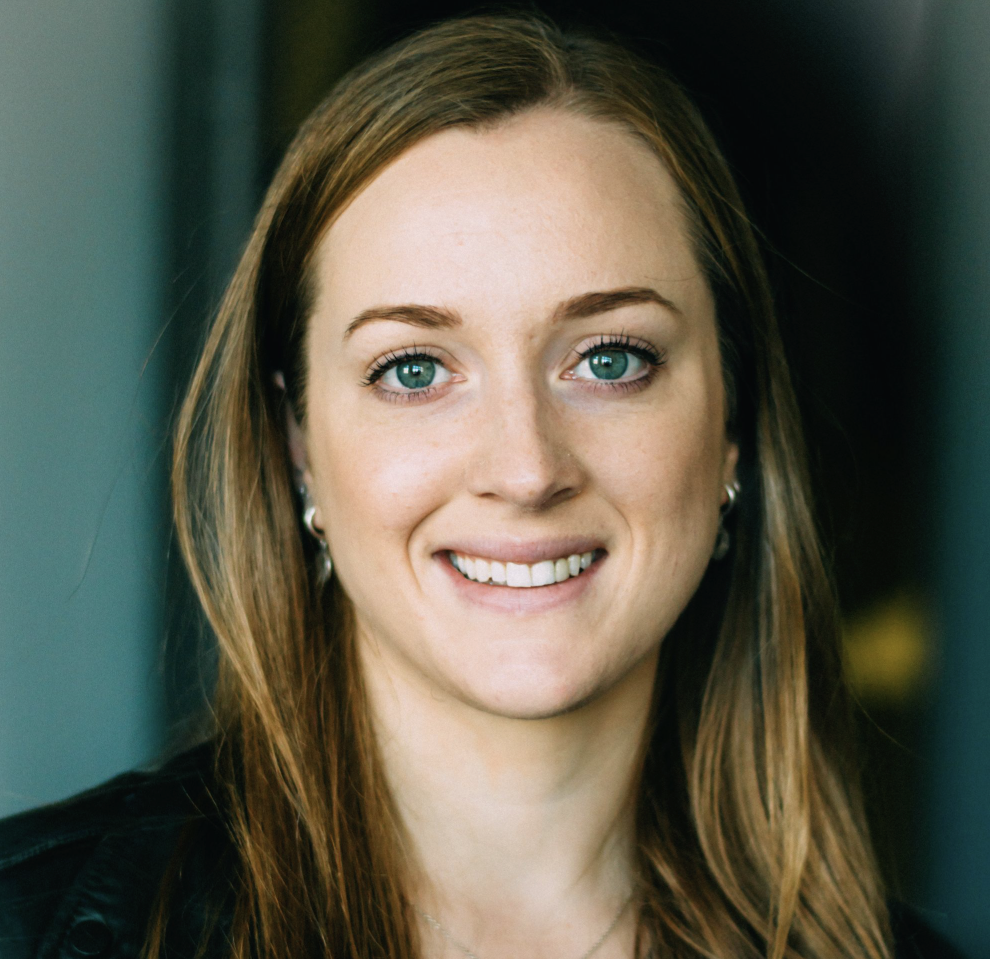
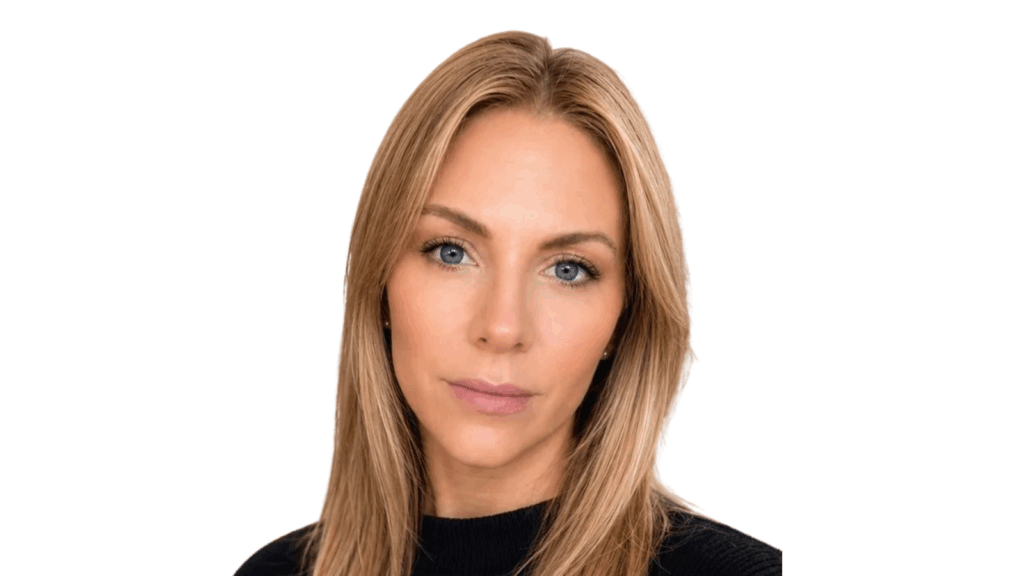
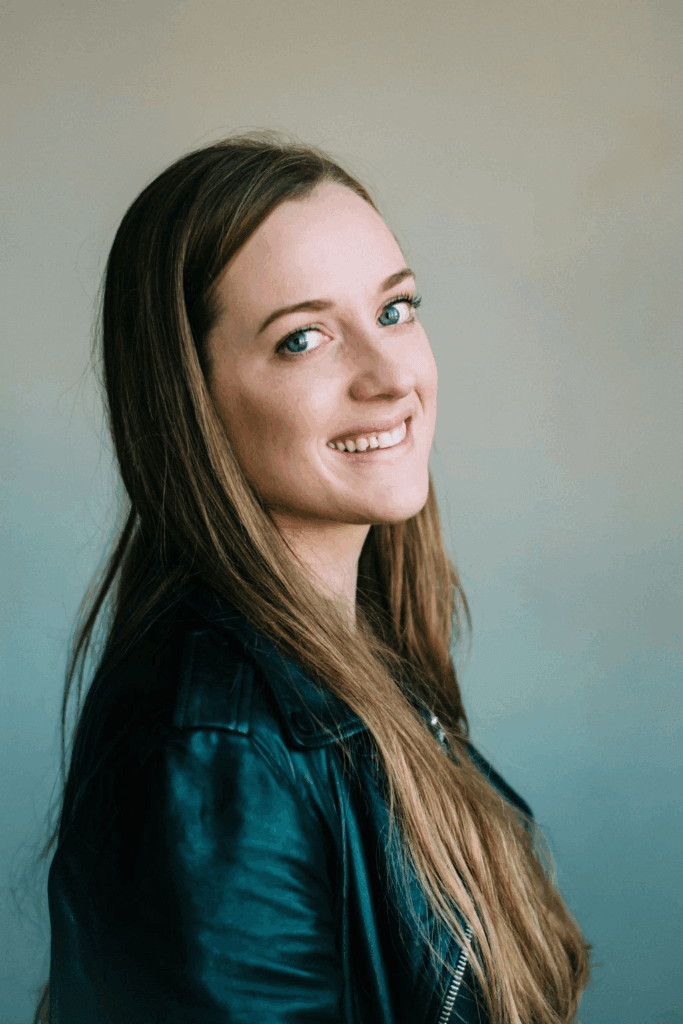
Lydia Laws is the founder and director of Lydia Laws PR, an independent communications agency established in 2016. LLPR works across electronic music, lifestyle, and environmental publicity, representing artists, labels, clubs, festivals, brands, and nonprofit organizations.
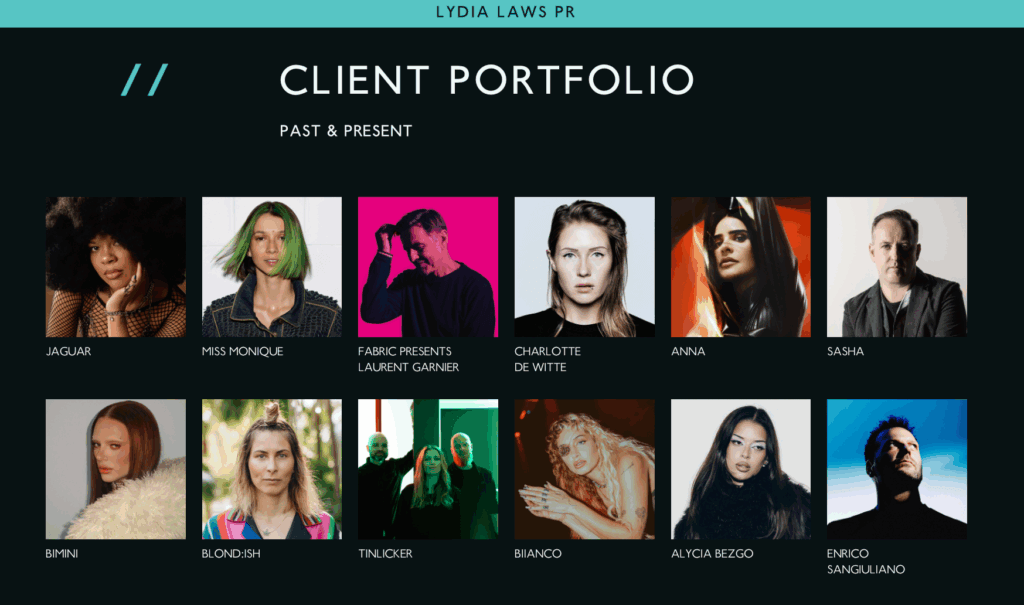
The agency’s current clients include Charlotte de Witte, ANNA, Tinlicker, Miss Monique, KNTXT, Chinois Ibiza, and El Tony Mate. Laws has also represented Sasha, BLOND:ISH, BIIANCO, Mind Against, Eli & Fur, Floorplan, and fabric Presents Laurent Garnier during her career.
With over 12 years of experience in music PR, a decade running LLPR, and an additional background in journalism, Laws has watched publicity expand beyond traditional editorial coverage into social content, creator partnerships, lifestyle media, and paid placements.
Ahead of WMC, we spoke with her about that development, building authentic artist stories, evaluating viral attention, and deciding when paid media deserves part of an artist’s promotional budget, and you can be a part of conversations exactly like this by purchasing your badge to Winter Music Conference 2027 right here.
Interview With Lydia Laws
When you launched LLPR in 2016, what did artists expect publicity to accomplish for them?
Every artist, venue, brand, and event has different goals, but they essentially hope PR will promote them, help strengthen their existing relationships with fans, and help them reach new audiences and demographics. In sum, they want their name known as widely as possible within their desired audience.
Back in 2016, clients hoped for the same results from professional PR. So much has changed during the last decade through technology, AI, developments across the music business, and the way we work, but the fundamentals remain largely the same. We tell an artist’s story in the most authentic and interesting way, get them and their music heard, and raise their profile.
Which parts of the publicist’s job have changed most during your first decade in business?
It has always been a case of multitasking, covering different roles, and wearing many hats, but that has increased considerably. There also seem to be additional opportunities for creative PR, including collaborations with other artists and teams.
One change is that many artists and managers are keen for some of their media coverage to sit outside the music industry, across lifestyle, environmental issues, fashion, finance, and other special-interest contexts. The number of traditional media platforms has shrunk, while the role and reach of social media and user-generated content have increased exponentially.
There are so many creators across an increasingly wide range of platforms making entertaining content, sharing their opinions, and interviewing artists. Some are music fans who decided to share their interest in music online, while others are respected journalists moving beyond traditional written features. It is an exciting time. Paid press, once resisted as somehow inauthentic, has become part of the media business too.
How do you identify the parts of an artist’s life or work that can support a memorable story without manufacturing an identity for them?
When a client and I start working together, we have an in-depth conversation about their story, their experiences with music throughout their life, and the events that helped shape who they are. We also discuss interests outside music, including previous careers, jobs, and achievements in other areas of the arts. These are often elements that interest me in working with someone in the first place.
Examples include BLOND:ISH and her environmental activism, Sasha and his progression from dance music pioneer into his Refracted concerts, ANNA bringing meditation and her personal healing experiences into her story while developing her sound, and Charlotte de Witte breaking records by becoming the first woman and first techno artist to close Tomorrowland’s main stage.
I have also worked with clients who have written books, competed as Formula 1 drivers, or survived major events and dangerous situations. As long as someone is approaching what they love or represent from an authentic position, the story develops naturally.
Paid editorial has become a more accepted part of music promotion during LLPR’s first decade. What caused that change?
COVID definitely played a part, along with the general conditions facing writers and journalists, many of whom have lost paid positions and become entirely freelance. Many media outlets that once employed them are now short-staffed due to budget cuts or higher operating costs, and they face additional pressure to increase traffic.
When I start working with a client now, I ask whether they are open to paid opportunities when the media outlet and timing are right. If they are not, that is no problem, and we focus on earned press. If they are, part of my role is to filter those opportunities and advise them on the best use of their budget.
How should artists evaluate a viral post when it produces attention without continued listening, ticket sales, or direct fan relationships?
I appreciate how special those large viral moments can be. That said, a post reaching thousands or even millions of people does not automatically translate into long-term engagement or audience growth. A clip lasting between 15 and 90 seconds can be seen and then forgotten.
The value lies in how that attention translates. Are they receiving additional streams? Is their social following growing? A dedicated audience that listens to your music, attends your shows, and engages with you over time has greater long-term value.
Sometimes a viral moment can open the door and introduce you to a new demographic that stays. BIIANCO, whom I represented for almost three years, is one example. In 2023, a 30-second live-looping video of them performing what became their breakout track, “Against the Wall,” received 35 million views. It brought hundreds of thousands of new followers, established them as a prominent voice in dance music, and contributed to a major-label signing and booking-agent representation. They have since appeared on the cover of DJ Mag.
Before that video gained widespread attention, however, they had spent years posting consistently and gradually developing a dedicated following. When people visited their page, there was plenty to engage with beyond that single video, and they continued publishing new content. You cannot rely on one video to make you a headliner overnight without putting effort into the rest of your career. It may happen for one person, but cultivating an engaged audience that wants to support you is a more reliable approach.