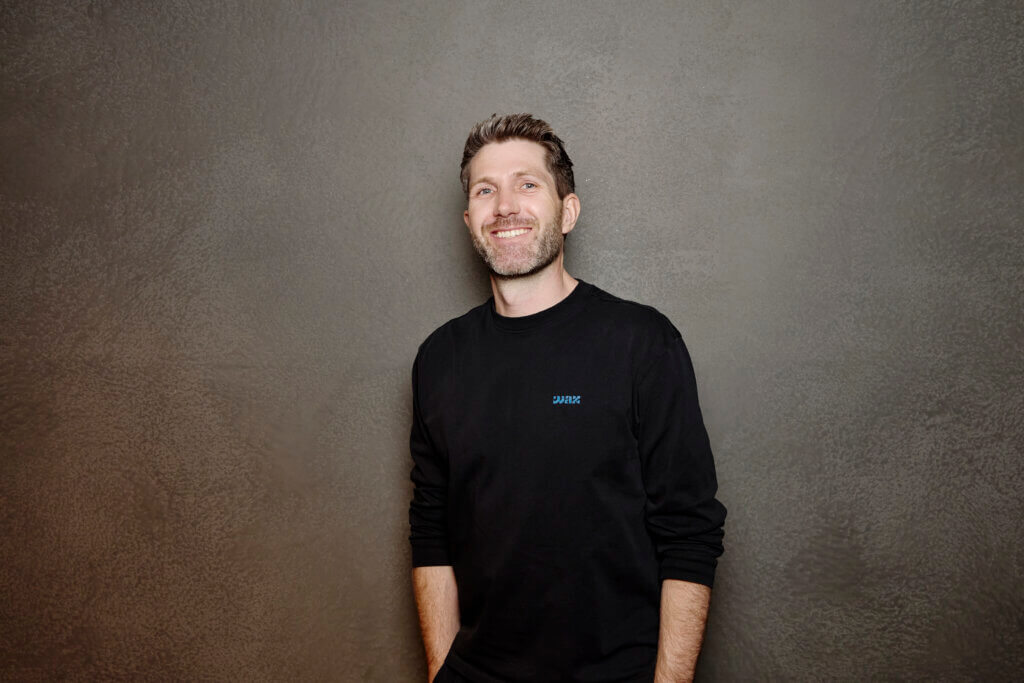
Louis Godfrey On Building Artist Careers From The Ground Up

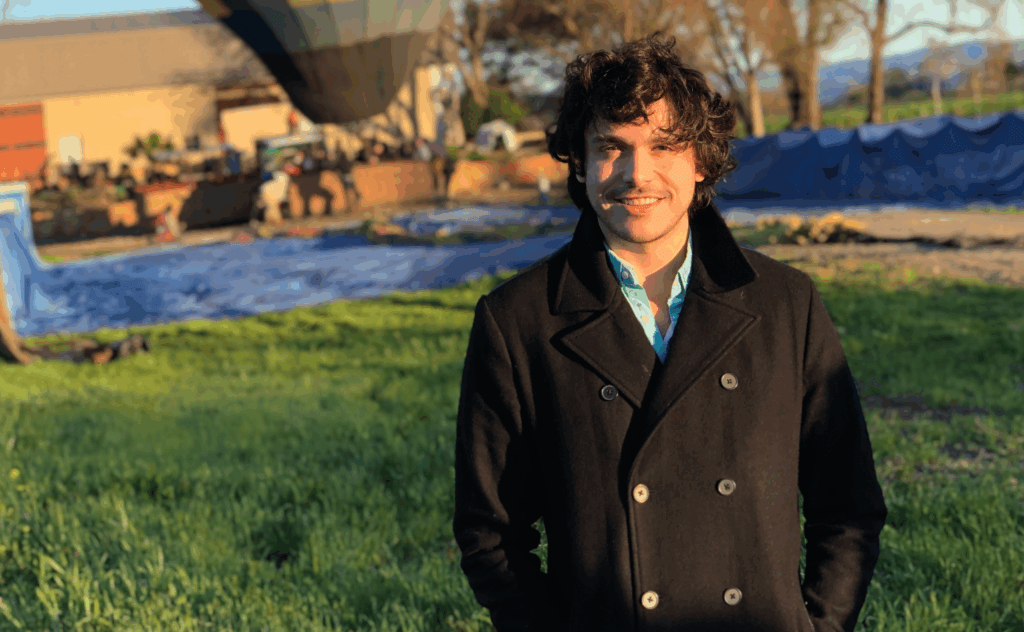
Louis Godfrey spent close to four years working as FISHER’s day-to-day manager and as part of his creative team. His role extended across global touring, lineups, brand partnerships, content, artwork, and the wider presentation of shows and releases.
At the start of 2026, Godfrey launched ART @ PACE, an independent management and creative company focused on helping artists build their careers from an earlier stage. Its first clients include Brunello and Hilel Lev.
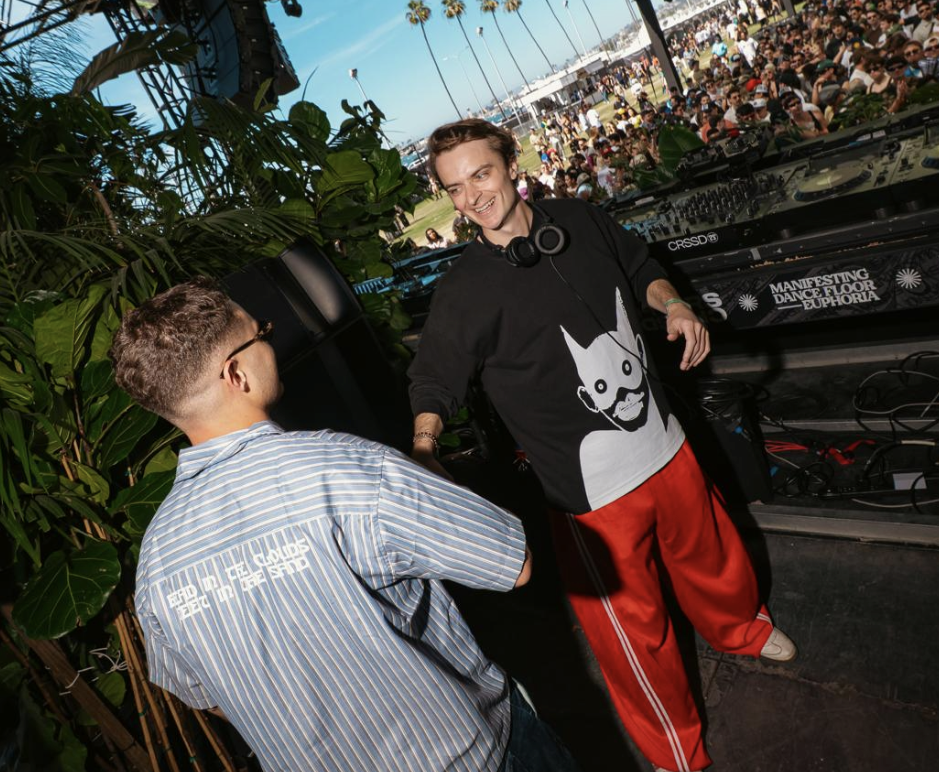
Since the company launched, Brunello has appeared at Coachella, Lightning in a Bottle, and Raw Cuts at Santa Monica Pier. Mellow Circus has sold out events in Miami and New York, achieved multiple Beatport number ones, and sold through three merchandise drops while releasing its music independently.
Ahead of WMC 2027, we spoke with Godfrey about what transfers from managing a global headliner to developing emerging talent, why music remains his starting point when evaluating artists, and how managers can build careers around what artists genuinely want and you can be apart of converstaions like this by purchasing your badge to Winter Music Conference in 2027 here.
Interview With Louis Godfrey
You spent close to four years working inside FISHER’s team. Which parts of that experience prepared you best for managing artists at an earlier career stage?
I think the experience as a whole really helped me. I got to see and experience working in every part of an extremely successful business.
I’ve noticed that my management style hasn’t changed a great deal, regardless of the size of the artist. We strive to always put the artist first. We continue to put a great deal of care and attention into the things we are presenting to the world, regardless of how many people we think are paying attention at the time.
What do you look for in an artist before streaming totals, ticket sales, or industry support provide an obvious commercial case?
The music. I want to hear something that makes me want to listen again and find out more about the artist behind it.
Streaming totals, ticket sales, and industry support can help build a commercial case, but my interest starts with whether I believe in what they’re making.

How should managers decide which opportunities deserve immediate attention when touring, releases, branded projects, and audience development compete for limited resources?
I think that the artist performing their music live should always take priority. Are they able to get on that stage and do their job to the best of their abilities? Those fans have spent money and taken time out of their day to see you.
Everything else can wait. It’s not the end of the world if an interview or press release is late. The goal is to perform your music live for fans and be in the moment.
What does a developing dance artist need to prove during the first year of management before you feel confident investing further time and capital?
I prefer not to put pressure on “a first year.” If I have chosen to work on something, it is because I believe in it, and these things take time.
It is important not to rush anything or put “measures” in place that may make you feel like you have fallen short.
What conversations about building careers do managers, agents, promoters, and artists need to be having more often?
More conversations about what actually makes an artist happy and what they want their career to look like. What are their end goals, and does each opportunity bring them closer to achieving those?
A bigger fee or a higher-profile booking might look like progress, but does it support the career that artist wants? We need to understand that before making decisions on their behalf. Those conversations should continue as their career develops, too, because their priorities can change.