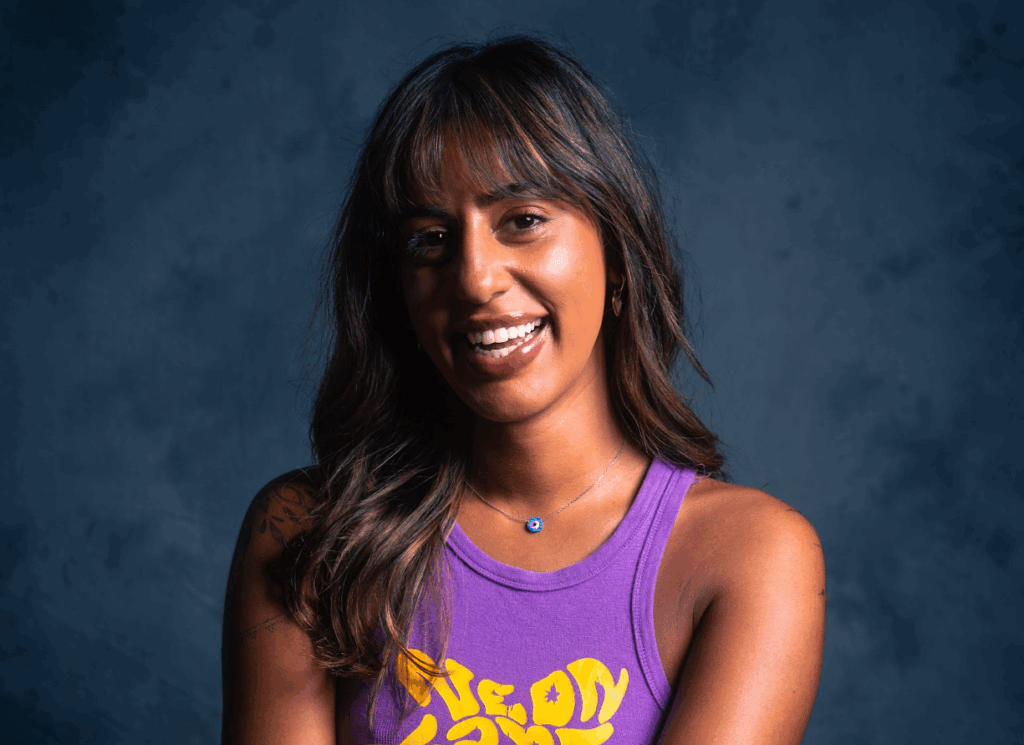
Rashna Krishnan On Making DJ Education Accessible
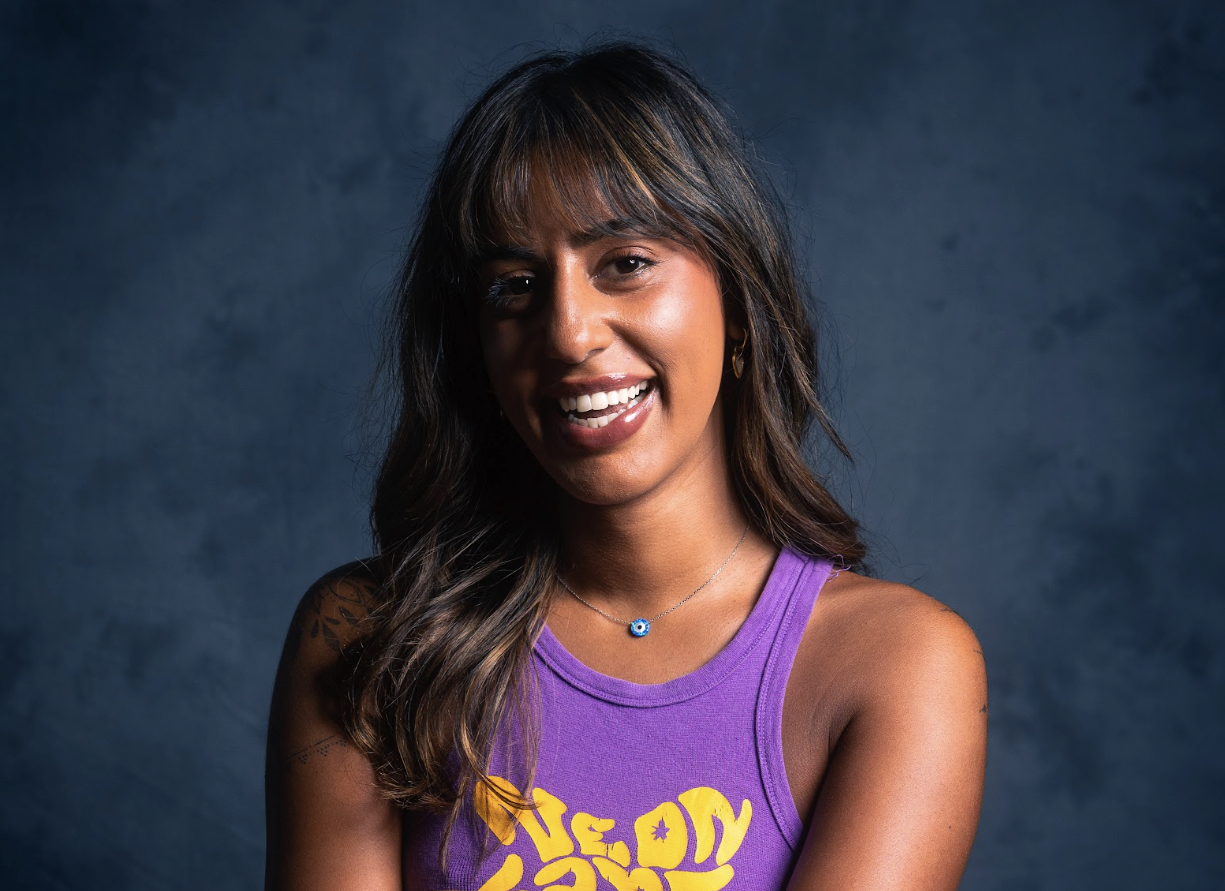
Your Shot has spent 16 years giving beginners a structured route into DJing without requiring prior experience, equipment, or industry connections. After launching its first American season in Los Angeles and New York, the program expanded into Denver and Miami for 2026, drawing over 12,000 registrations and selecting 1,500 participants across the United States.
Participants receive five weeks of in-person training covering technical foundations, performance preparation, crowd reading, professional communication, and the personal discipline required to keep progressing after the program ends. Each city then hosts a showcase weekend where contestants perform in front of an audience and connect with the local DJ community.
Ahead of WMC, we spoke with Your Shot Managing Director Rashna Krishnan about adapting the program for different cities, determining what beginners can realistically learn in five weeks, working with corporate partners such as Sony, and measuring results that may never appear in attendance reports or social media analytics and you can be a part of conversations just like this by purchasing your WMC badge for 2027 right here.
Interview With Rashna Krishnan
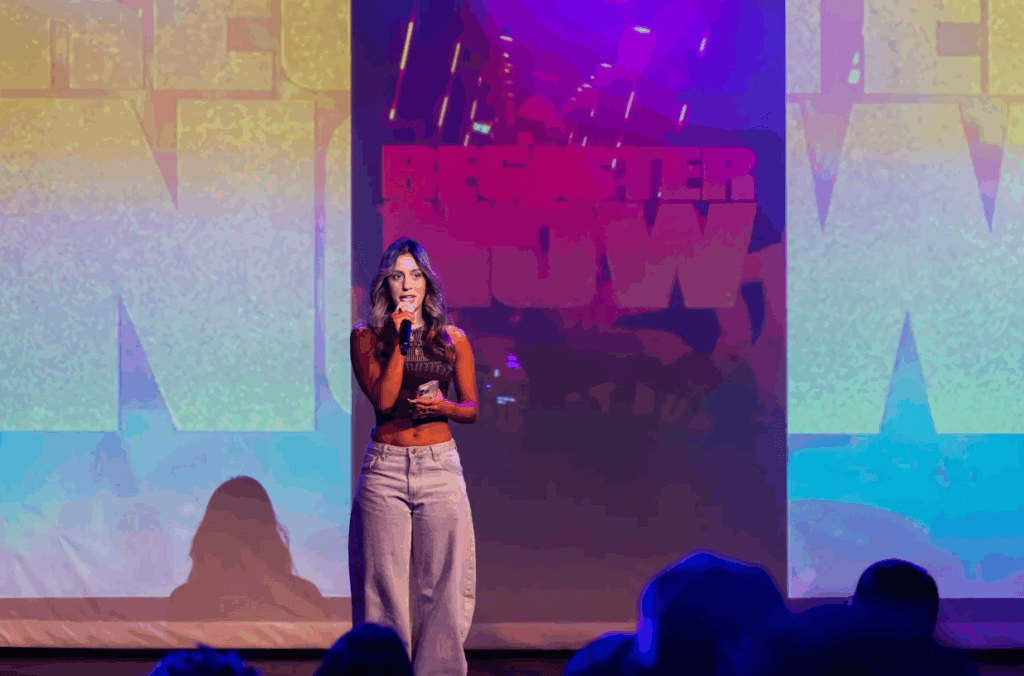
Your Shot has operated for 16 years and recently expanded its American program from Los Angeles and New York into Denver and Miami. Which elements of the original model have remained essential during that growth?
For me, the heart of Your Shot hasn’t changed in 16 years. We believe that someone with no equipment, experience, or industry connections should still have a genuine opportunity to learn how to DJ. Everyone starts as a beginner, and that should never be something that holds you back.
As we’ve grown into new cities, we’ve continued to develop the experience, but we’ve been careful not to lose what makes it special: accessible education, face-to-face support, and a real connection to the local music community. We work with DJs who understand their own scenes because we want contestants to feel that they are becoming part of something rather than simply completing a course.
When we expanded into Denver and Miami, it wasn’t about recreating what we had done elsewhere. It was about listening, learning, and building relationships with the people already contributing to those communities. If Your Shot is going to make a meaningful difference in a city, it needs to feel like it belongs there.
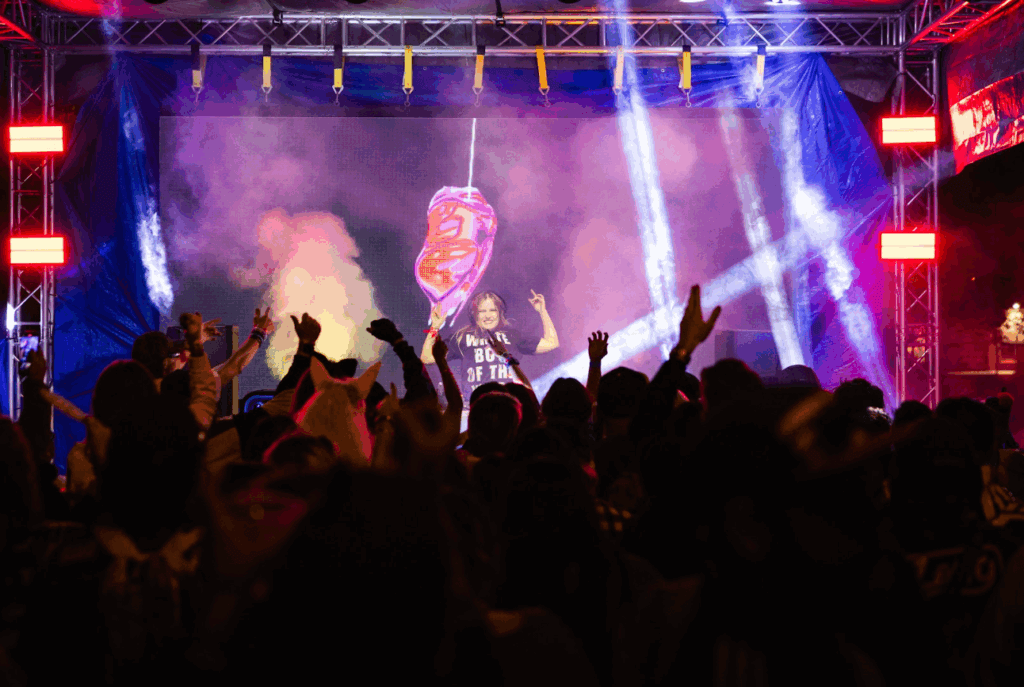
The current program provides five weeks of in-person training. How did you determine what beginners need to learn within that period?
We’ve spent years refining the program around a simple question: what does someone actually need to feel confident stepping behind the decks for the first time, and which foundations will help them keep going afterward?
Of course, the technical skills matter: tempo matching, phrasing, understanding equipment, and putting together a set. We care just as much about what happens beyond the technical side. We want contestants to learn how to read a crowd, understand the importance of hard work, prepare for a performance, communicate with others in the industry, handle nerves, and recognize that progress takes practice and persistence. The competition adds a healthy amount of pressure, with real results at the end.
Five weeks gives people a realistic starting point without asking them to put the rest of their lives on hold. We’re not promising to turn someone into an international DJ overnight. We’re giving them the tools, support, and confidence to take that first step, along with the motivation to keep learning long after the showcase. Feedback from contestants and alumni helps us continue improving what we teach.
For some, those five weeks provide the foundations and a community of like-minded people to continue growing with. Others might discover that DJing is not quite for them, but they have still had an incredible experience, made new friends, and developed a new appreciation for the music they love from the other side of the decks.
That is something I think is really important to recognize. There is no single correct outcome or definition of success from those five weeks. What matters is that everyone has the opportunity to give it a try, discover something about themselves, and leave with an experience that means something to them.
What differences have you observed between participants and local music communities in Los Angeles, New York, Denver, and Miami?
One of my favorite parts of bringing Your Shot to different cities is getting to know the people and music communities that make each place unique. Every city has its own energy, and we don’t want to lose that by treating every market exactly the same.
Los Angeles and New York have incredibly broad creative communities, with many different sounds and influences. Miami has an established identity in electronic and club music, which is exciting, but it can also make the industry feel intimidating to someone who is starting out. What I noticed in Denver was how supportive and enthusiastic people were about showing up for one another.
Across all four cities, and across Australia and America, the similarities are equally powerful. You see the same nerves at the beginning, the same excitement when someone mixes their first tracks, and the same pride when they finally perform. By showcase weekend, contestants are cheering each other on, meeting each other’s friends and families, and becoming part of their local DJ communities. That is the part that reminds me why we do this.
Rather than focusing on the differences between cities, what I have noticed most is how similar people are regardless of where they come from. Across the country and internationally, we see people from completely different backgrounds coming together through the same love of music. It is a special reminder of how music can connect people who might otherwise never have crossed paths.
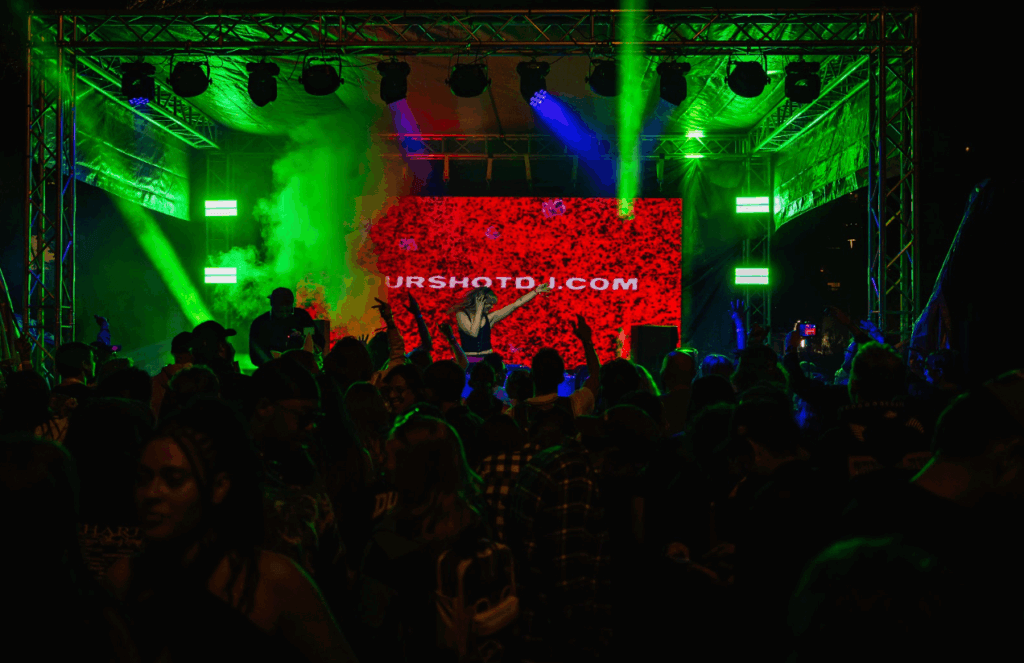
Sony joined the 2026 season as an official partner. What can a corporate partner contribute without influencing education, judging, or access in ways that weaken participant trust?
I think the best brand partnerships are the ones that genuinely add something to the contestant experience without compromising the values or integrity of the program.
Your Shot was built on the belief that everyone deserves an opportunity, regardless of their background, experience, or connections. That is something we have been committed to for over 16 years, and it is incredibly important that our partners understand and respect it. A partnership should help us create additional opportunities.
Ultimately, we want to bring Your Shot to as many people as possible, and the interest is certainly there. We have people signing up internationally, but making those opportunities a reality takes a lot of support. That is why partnerships such as the one we have with Sony ULT Power Sound are so important.
What I really appreciate about working with Sony is that you can tell its team genuinely cares about what we are trying to achieve. The team understands our vision, shares our interest in supporting aspiring artists, and respects the importance of keeping the contestant experience at the center of everything we do.
Having Sony ULT involved has allowed us to integrate its products into moments where contestants are learning, practicing, and performing in ways that feel relevant rather than simply promotional. Giving our contestants access to Sony headphones and ULT sound systems has added real value to their experience.
I think that is what makes a partnership valuable. It is not about a brand having influence over the experience. It is about supporting initiatives that have an impact and using its resources and reach to make that experience better and more accessible for everyone.
Which outcomes matter alongside competition results, attendance figures, and social media growth when you evaluate the program?
This is something I feel strongly about because, unlike other programs, I don’t think the impact of Your Shot can be measured purely through competition results, attendance figures, or social media growth.
Of course, those numbers are important, and we love seeing our alumni play gigs, release music, build their own followings, or pursue careers in the industry. For me, however, one of the biggest measures of success is what happens to our contestants beyond those five weeks.
Are they continuing to DJ? Have they found the confidence to pursue their first gig? Are they supporting other artists, showing up for their new friends, collaborating, and becoming part of their local music communities? These are the things that tell us whether we have given someone the foundations to keep growing.
I also think it is important to recognize that not everyone joins Your Shot with the same ambition. For some, becoming a DJ is a lifelong dream. For others, it is about challenging themselves, learning something new, or experiencing what it feels like to perform in front of a crowd.
Success in our program is seeing the person who was ready to give up in week two find the courage to get behind the decks and play their first set. It is seeing people who were once strangers celebrate the achievements of their new community. It is seeing someone who faced many personal challenges before the program reach the showcase, have the time of their life, and feel genuinely proud of what they achieved.
Those are the moments that stay with us. They might not appear in attendance figures, competition results, or social media statistics, but they are equally important.
Ultimately, I think the real measure of our impact is whether people leave Your Shot with something they did not have when they arrived. That could be the skills to pursue a career in music, a new community of friends, a greater appreciation for DJing, or simply the confidence to try something they never thought they could do.
There is no single correct outcome, and I think that is what makes us a once-in-a-lifetime type of program.
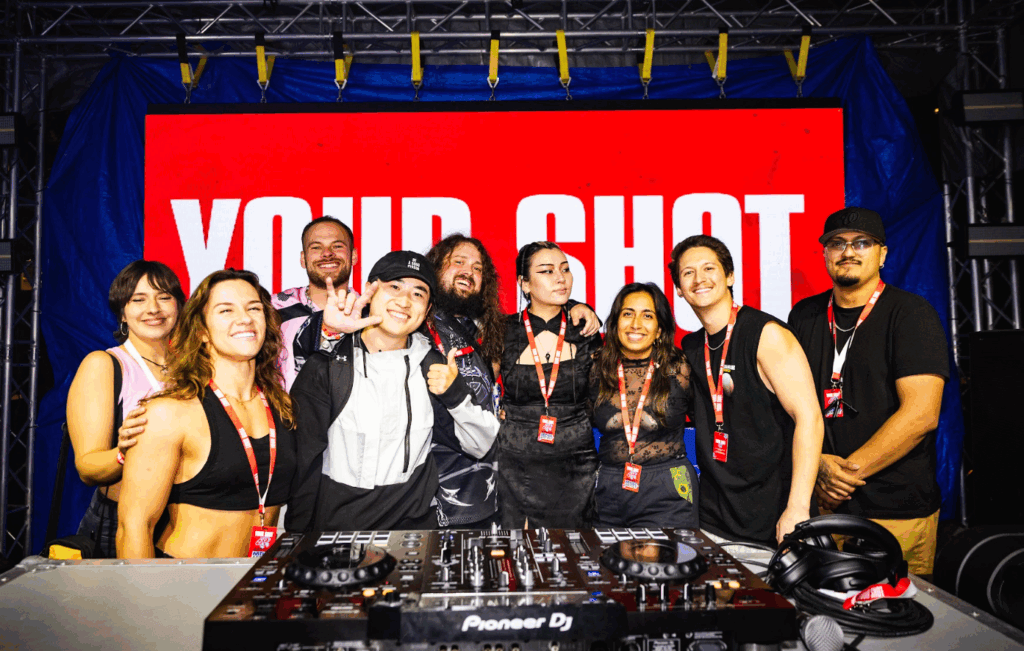
As access to DJ software and equipment becomes easier, which professional skills will determine whether a new DJ develops a sustained place within their local music community?
I love that technology is making it easier for people to explore DJing, although I think it is important to recognize that it can still feel incredibly daunting to a beginner. Having access to the tools is only one part of becoming a great DJ.
I have always believed in the saying, “A great DJ starts on the dance floor.” Before you can truly connect with a crowd from behind the decks, you need to understand what it feels like to be part of one. That means showing up for your local music scene, supporting other DJs, discovering new sounds, and building genuine relationships with the people around you.
If you want to become an integral part of a music community, you need to actively contribute to it. You cannot expect people to show up for you if you are unwilling to show up for them.
The technical foundations are important, along with the skills you cannot learn from software alone: reading a crowd, developing your own musical identity, being prepared, communicating professionally, and treating people with respect. How you arrive for a gig, support another artist, or build a relationship with a promoter can be equally important as what you do behind the decks.
We are also honest with contestants about the reality of pursuing a career in music. It takes hard work, persistence, and resilience. There will be setbacks, quiet rooms, and opportunities that do not go your way. Learning to navigate those moments, stay motivated, and continue improving is part of the process.
I think it is equally important to celebrate the small wins. Your first house party, your first club set, or the first time someone approaches you after a gig to say they loved your music all matter, and they deserve to be celebrated.
Success does not happen overnight, and everyone’s path looks different. That is why we place so much emphasis on building confidence, community, and the habits that help people grow beyond the classroom.
Ultimately, I think the DJs who build a lasting place in their scenes are not defined solely by their technical ability. They are the people who stay curious, support those around them, and keep showing up because they genuinely love music.