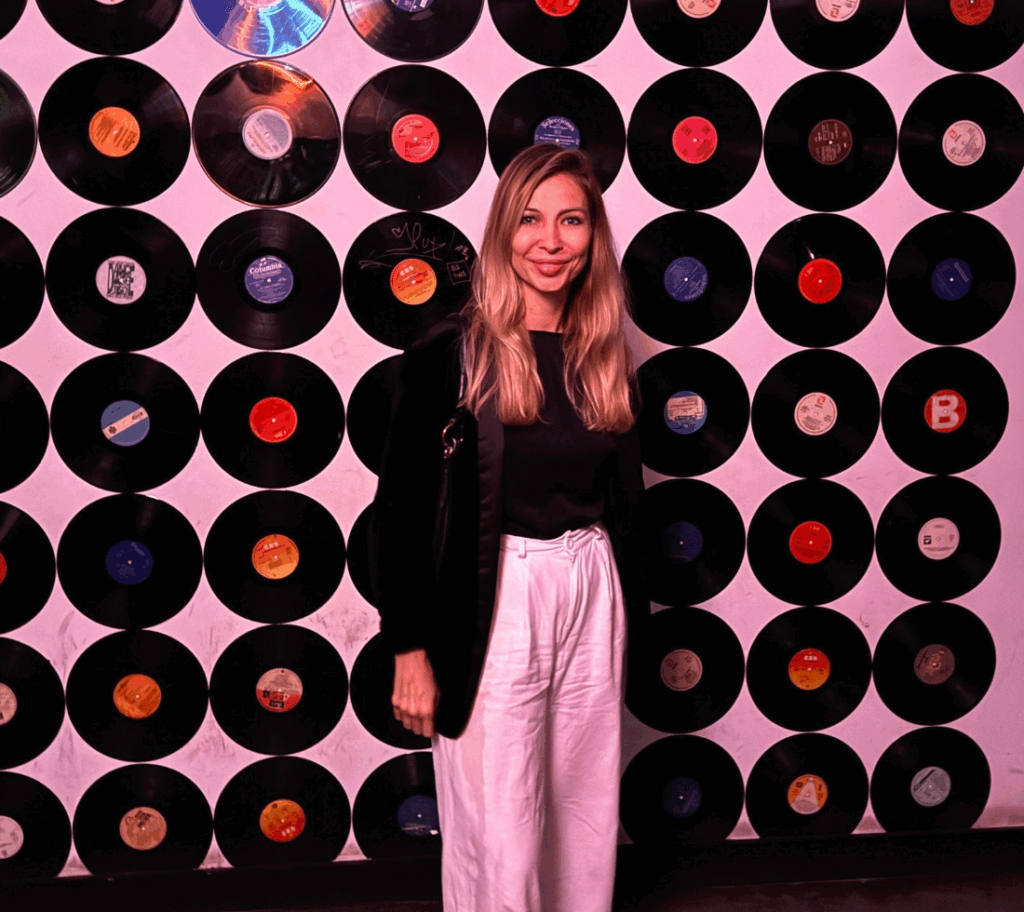
Sylwia Kubicka On Music Marketing Beyond Metrics
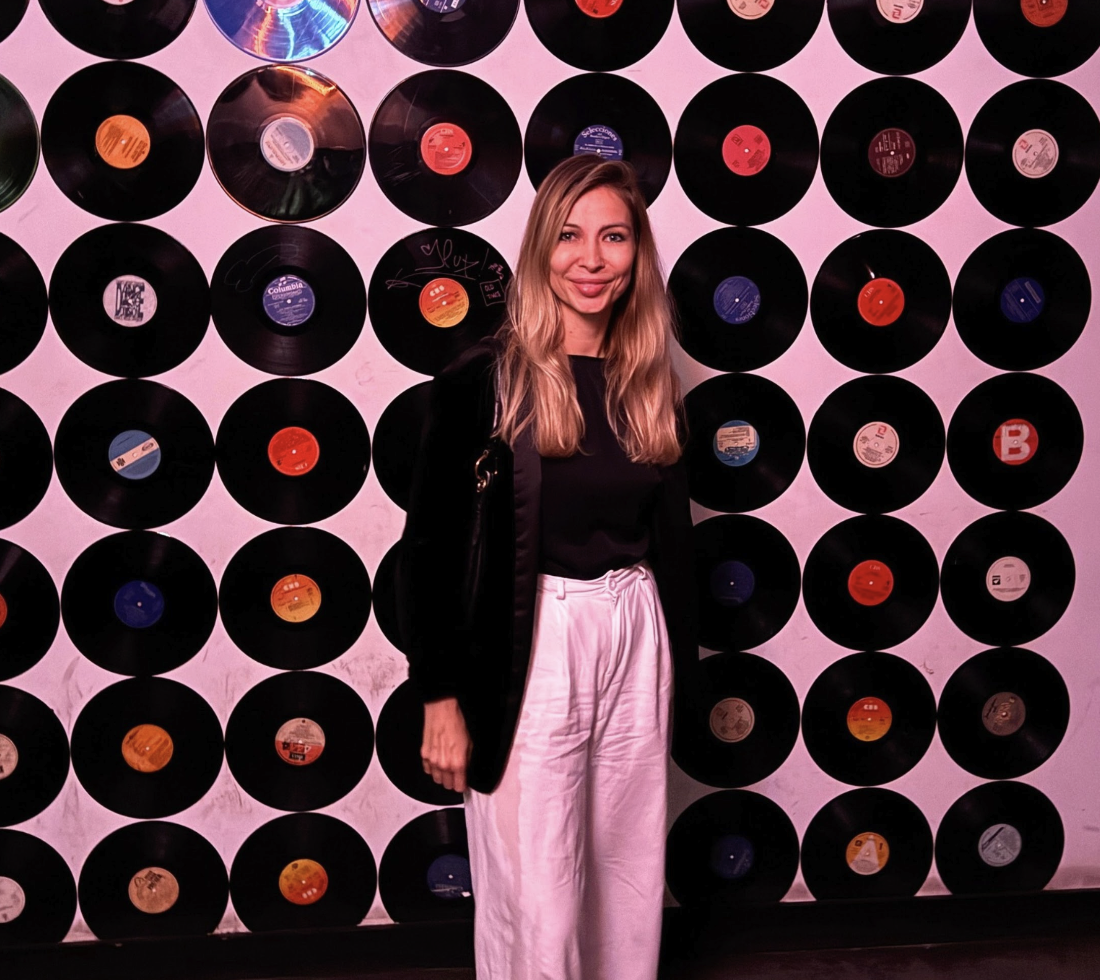
Sylwia Kubicka has spent over 15 years working across music, marketing, editorial, and brand development, combining her work as an artist under the alias VONDA7 and label owner with her role leading content and brand growth at Inflyte. That range of experience gives her a direct view of how releases move between creative decisions, promotional campaigns, editorial coverage, and the technology used to track attention.
Kubicka founded art | werk to release her own music independently while maintaining control over the label’s identity, communications, and release campaigns. At Inflyte, she has rebuilt the company’s communication channels, expanded its editorial platform, developed video content, and assembled a team of writers covering artists, labels, DJs, and wider music business topics.
Ahead of WMC, we spoke with Kubicka about building trust in crowded markets, tracking early DJ support, choosing the right social platforms, the progress women have made across electronic music, and why AI should create additional free time rather than push people toward further burnout.
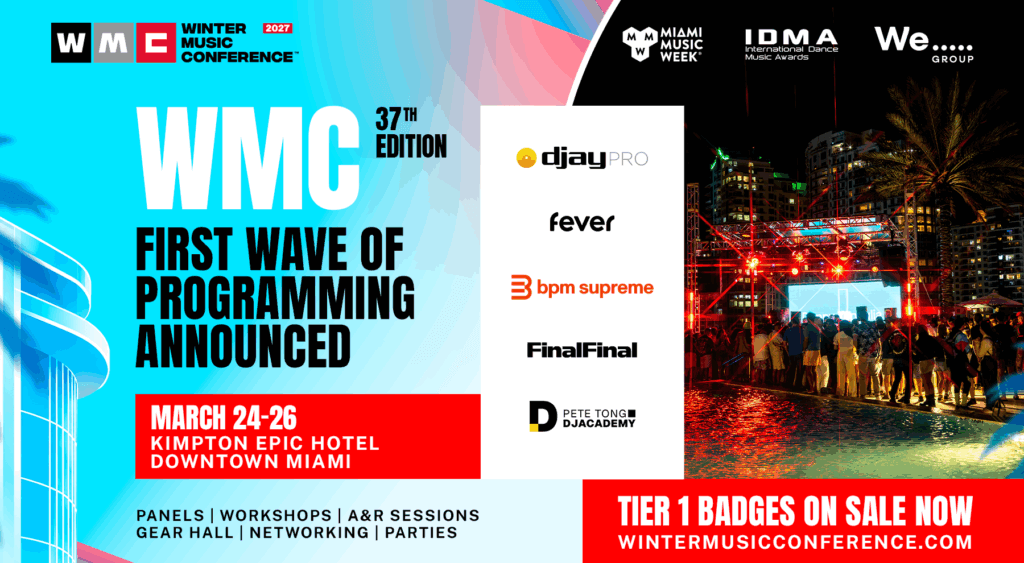
Purchase Your Badge For WMC 2027 Here
Interview With Sylwia Kubicka
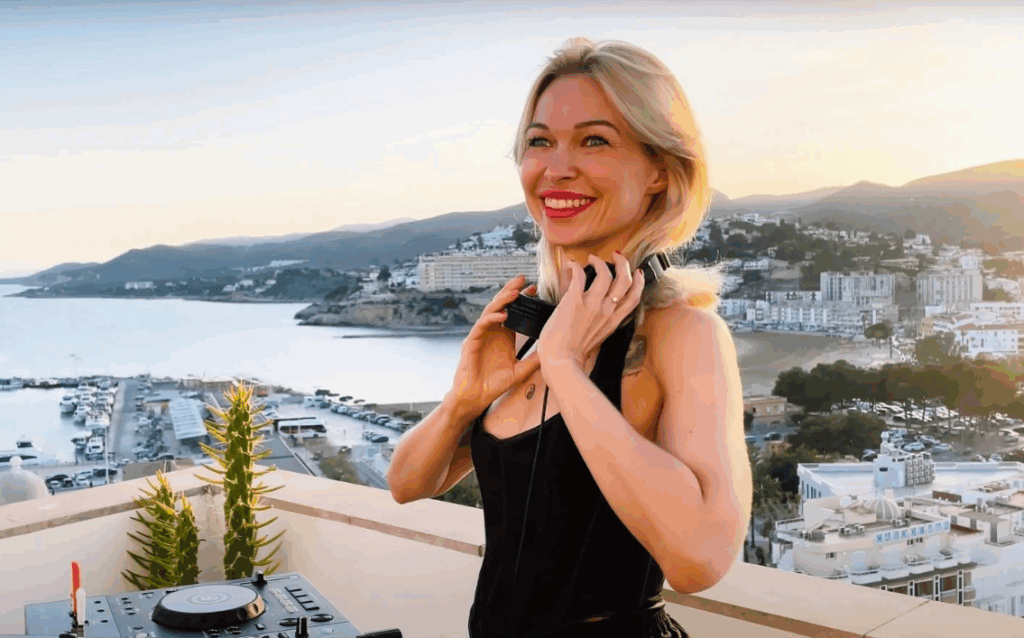
You work as an artist, label owner, and lead content and brand growth at Inflyte. How have these different roles influenced your approach to music marketing?
All these paths complement each other. I have worked in the music industry for over 15 years across different areas. My professional background and education have always sat at the intersection of creativity and business. I love storytelling and building campaigns around music. Every release is a story, and marketing is how you tell it.
I have developed additional skills through my marketing work with agencies and clients, and when the opportunity with Inflyte arose, I felt it was a perfect fit that combined my experience and expertise. I have rebuilt and rebranded Inflyte’s communication channels and assembled a team of writers for the blog.
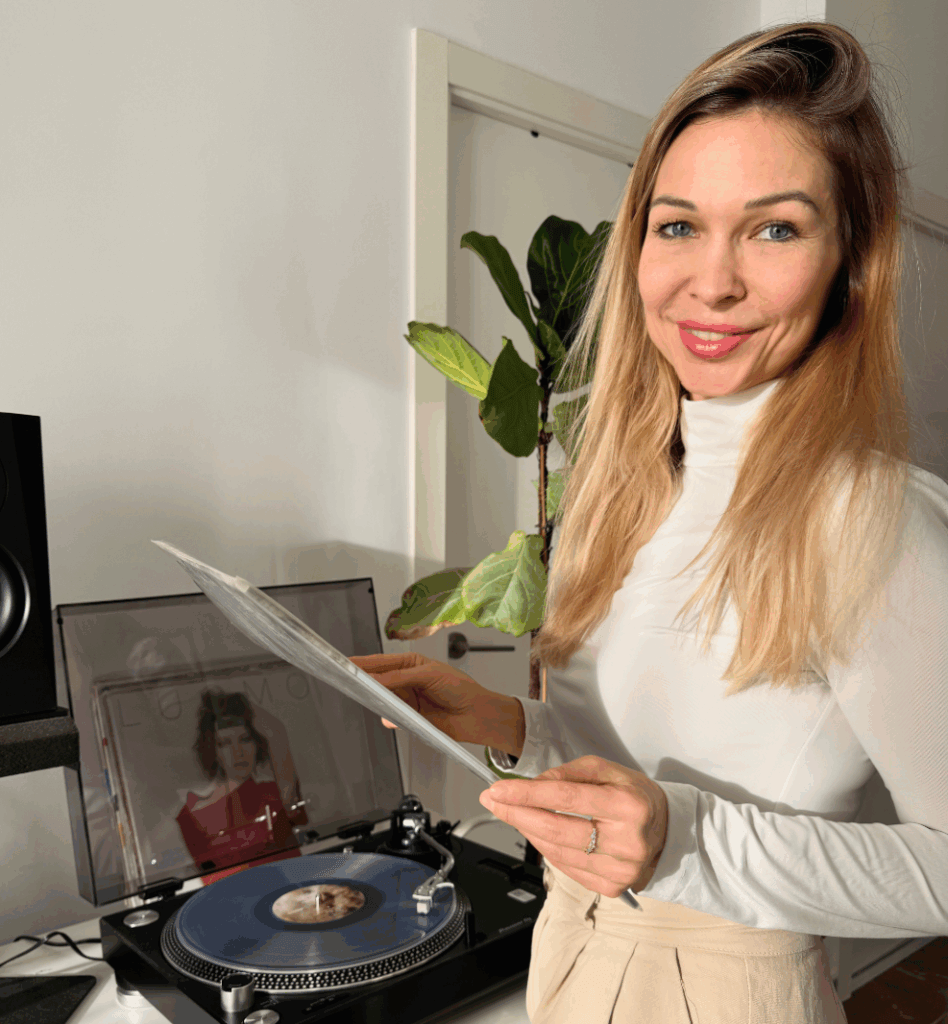
You founded art | werk as an outlet for your own musical vision. How has the label developed since its launch, and what are you focusing on next?
When I launched my label, its purpose was to release my own music independently, tell my own story, have greater input into how the PR campaign should run, and determine how the label should look and feel as a brand. Running my own label gave me full creative control and a hands-on education in the business behind the music. I was excited to learn all the details of running a label, including music rights.
After years of releases and events, this year was a little slower while other projects took up more of my time. However, I am working on new music, and a release schedule for 2027 is coming together.
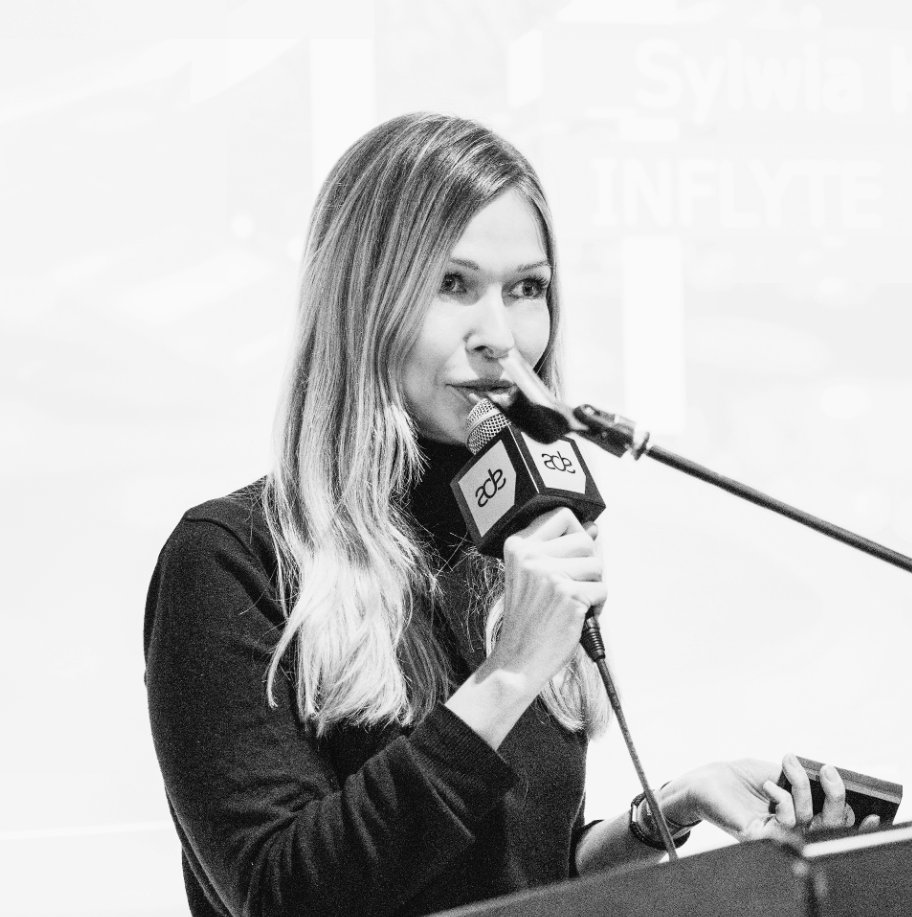
You recently spoke at ADE about Inflyte’s RADAR feature and pre-release usage tracking. Why is DJ support during the promotional stage so important, and which developments are you most excited about?
The electronic music industry is built on connections and associations. Early DJ support can contribute directly to the success of a record. Without a well-planned promo campaign, a record might go completely unnoticed in this oversaturated market.
Artists and labels currently do not get compensated for early pre-release DJ plays. I am excited about the development of new tracking methods that will allow for better coverage and help royalties reach the appropriate rights holders from the first play.
In the meantime, Inflyte’s RADAR feature can help monitor music usage after release. Using ISRC codes, you can track plays or playlist inclusion across radio, social platforms, and DSPs. It is a valuable feature, and any label or PR agency can now see where its music is being played or featured once it has been released.
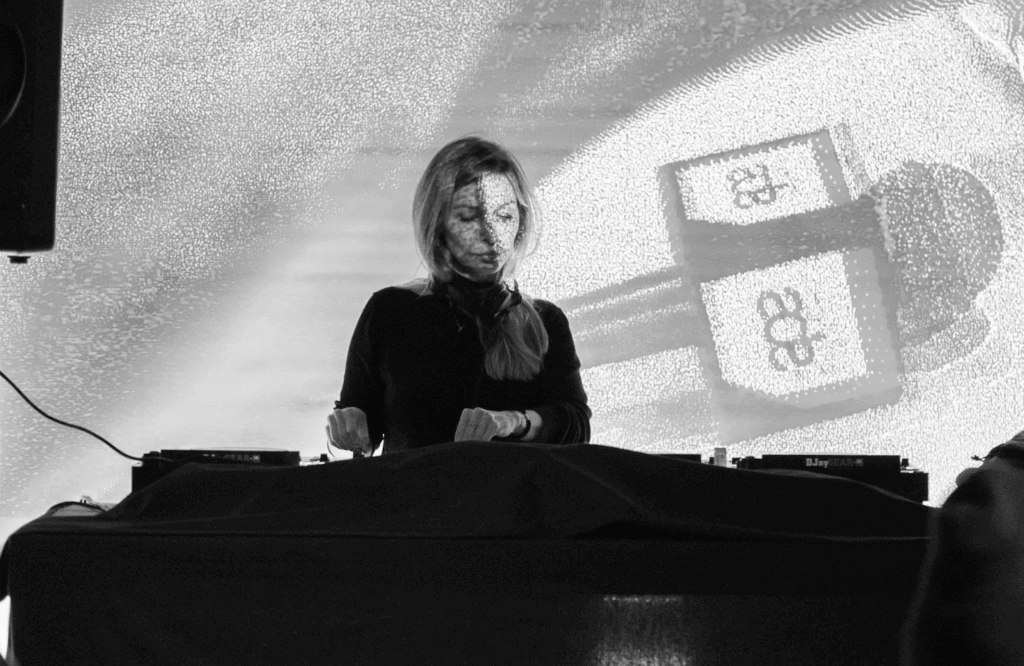
You’ve worked on branding and marketing for several music companies. What does it take to get noticed in such a crowded market?
For a new company or label, the most important thing is to build trust and credibility. Before anyone follows you, they need to trust you. This can happen through connections and associations with other parties that already have an established position in the industry.
Social media channels are crucial for presenting the brand and its connections, including cross-posting with other companies, artists, or labels. Most importantly, a brand’s appearance and message need to remain consistent. It takes time to be heard, but persistence usually pays off. Planning ahead is equally important. Music releases and product marketing need to meet a market need or solve a problem, so research is required to identify the right niche or audience.
At Inflyte, alongside regular product updates, I looked for additional ways to involve labels, PR agents, and DJs in our communications. I expanded our editorial platform and complemented it with video content asking artists, labels, and music professionals to share their insights. There are features covering how artists prepare for DJ sets, how people run labels, personal career stories, upcoming music, and industry news.
We communicate with a wide audience that includes the people who send music and those who receive it, and we have seen high engagement from these campaigns.
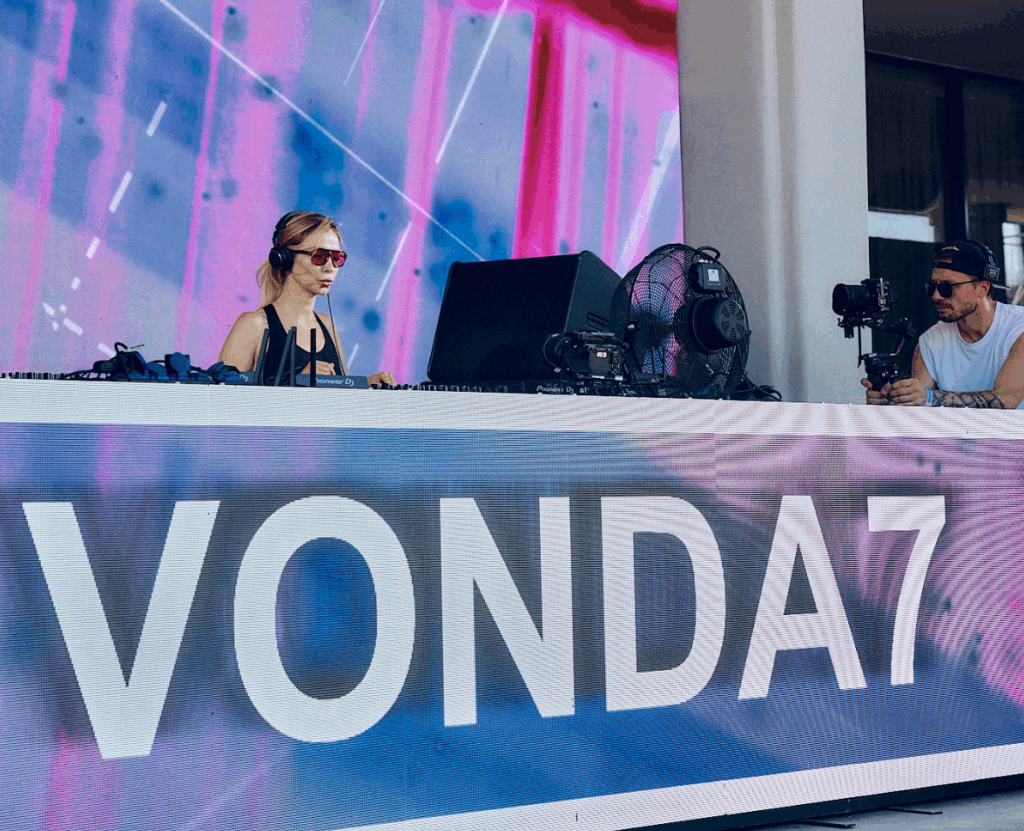
Social media is constantly changing how artists and music companies reach their audiences. Which marketing approaches are working now, and what do you think the industry gets wrong?
What I notice increasingly is that each social media channel works differently. Instagram now has a more editorial feel, while TikTok and YouTube Shorts focus on high-impact, high-dopamine moments. I think each label or company should decide what content it plans to produce, then focus on a couple of channels and develop them consistently.
For a typical music technology company, LinkedIn and Instagram would be the main channels, while for a young acid techno label, I would focus more on TikTok and YouTube.
The same applies to artists. Do not push yourself to do something that does not feel right for you. I hear artists who feel uneasy about social media complain about it, but they are free to use it in a way that works for them. It is another way to reach your audience. Not everyone has to publish the same content to get noticed. Unlike many areas of the industry, there is no gatekeeping, and everyone receives an opportunity to present their art.
What the industry gets wrong is automated traffic manipulation. Bots are easy to identify, but some automated techniques have become subtler. This can create an uneasy feeling when you see accounts receiving a massive number of likes immediately after posting and wonder why your account does not receive the same response.
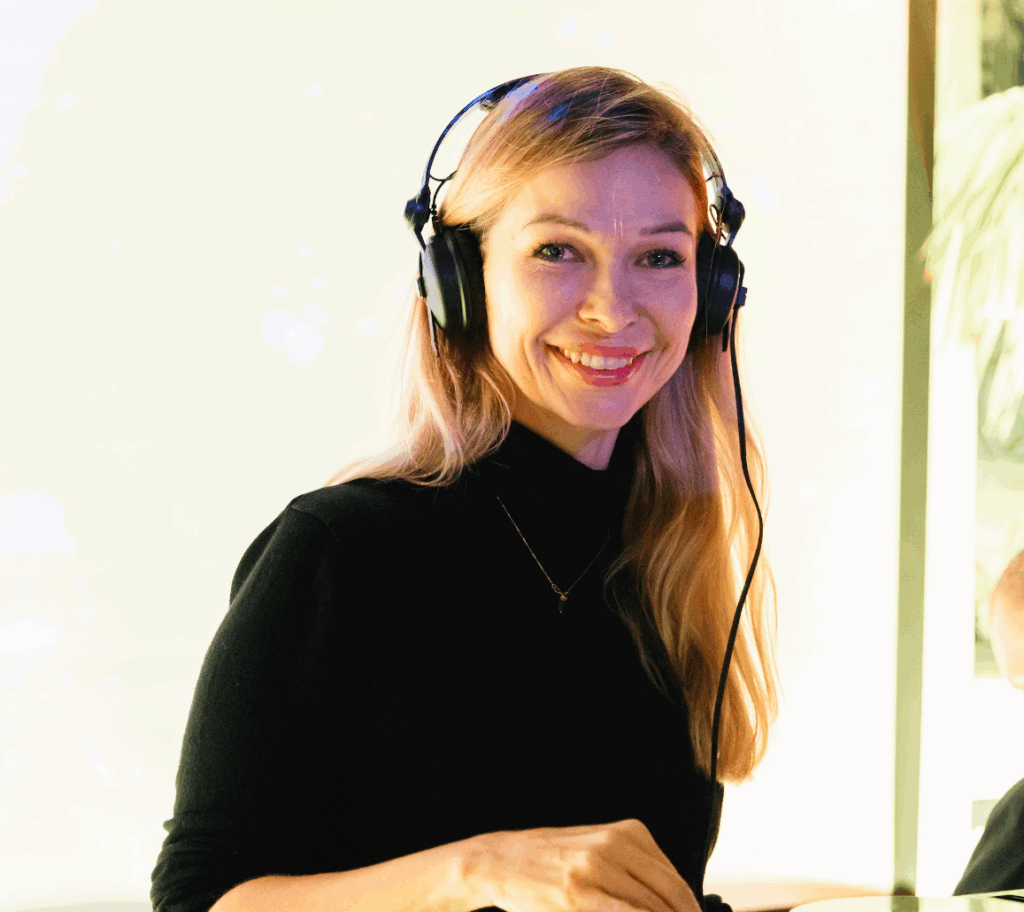
Your Women Inspire Women feature highlighted the experiences of women in electronic music. Where have you seen the most progress, and what still needs to change?
If I compare 2026 with when I was starting out, I see an incredible change. Women are everywhere, running their own labels and nights, headlining stages, and managing their own businesses. Women are finally being taken seriously. I love seeing it, and I would like to see even more.
We need to learn how to believe in ourselves and give credit back to the women who helped us. Some rooms and conferences are still dominated by men, but that is changing too. Men and women should coexist and work together rather than seeing it as one group against the other. The best parties and professional rooms I have experienced included men and women working with respect and equality.
AI is becoming increasingly common in music production, branding, and content creation. Where do you see the biggest opportunities, and where should artists and music companies be cautious?
This is the hottest topic of the year, for sure. I am on the fence. I see opportunities, and I love automating mundane tasks. However, I still think humans are and will remain at the forefront of creation, whether that involves music, design, or a good promotional campaign. Good taste and human relationships cannot be replaced.
Where we should be cautious is in trying to work like AI ourselves. The human brain needs time to rest, and if we remove all the mundane tasks and then fill that time with hard, focused work, it can easily lead to burnout. Use AI to free up time, not to fill it. Go for a walk, speak with your neighbor, and reconnect with the people and places around you.