What Mariann Krott Learned About Touring From Paul van Dyk
When a major performance runs smoothly, audiences rarely see the amount of planning that made it possible. Travel needs to connect, production teams need the same information, equipment must be confirmed, and every person involved needs to know who can approve a change when something unexpected happens.
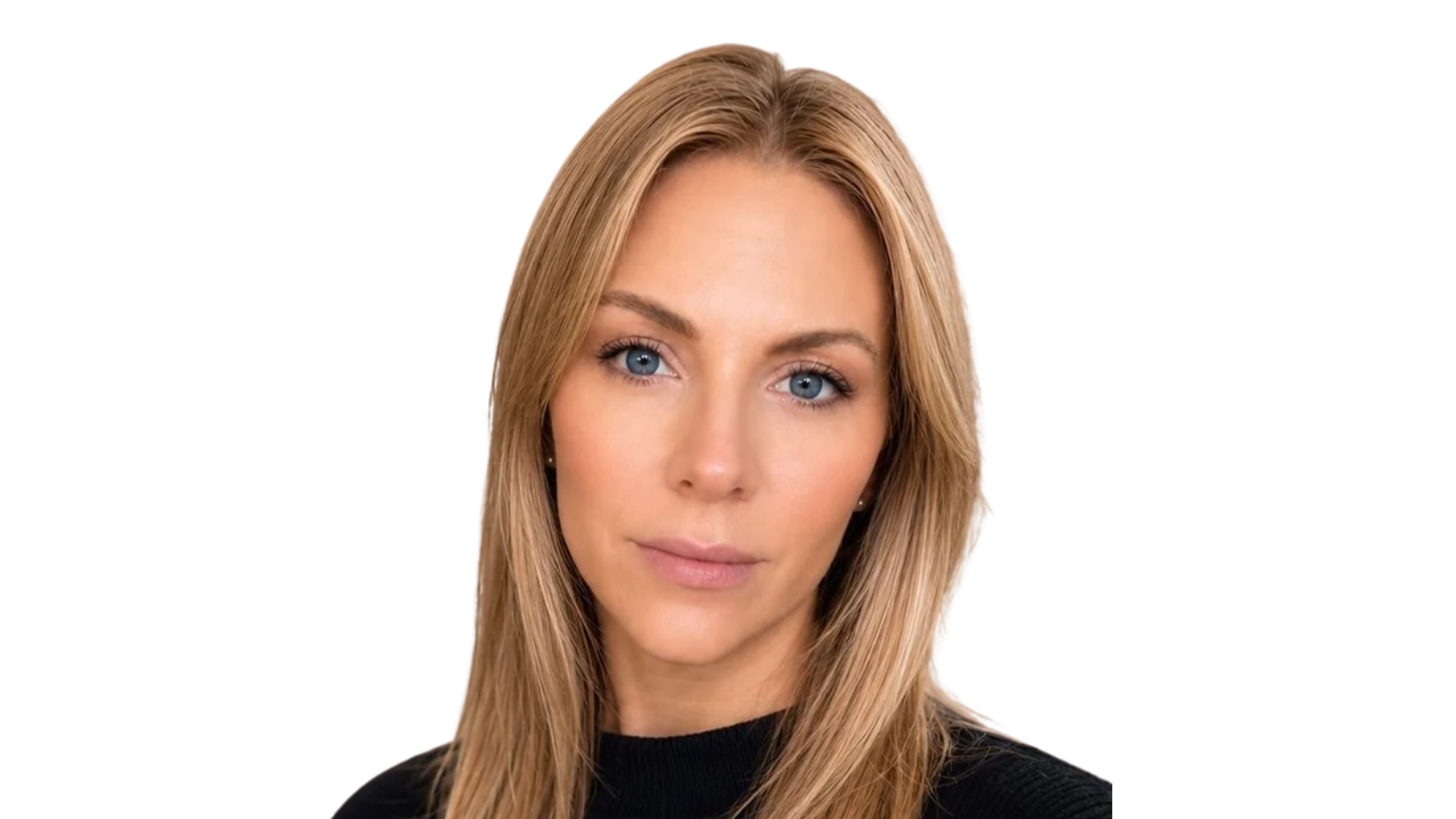
Mariann Krott has spent over two decades working across international artist management, touring, live production, and artist development. Her experience includes Paul van Dyk’s 2009 orchestral performance, an ambitious production that asked a DJ, singers, a band, an orchestra, and several technical teams to prepare one connected show.
Krott currently works with artists through mc Music Entertainment & Services, where her responsibilities extend from bookings and tour planning to the daily coordination that allows artists to concentrate on their music. Ahead of WMC 2027, we spoke with her about where shows go wrong, how booking economics change across an artist’s career (which is something Dave Alcott spoke at length about recently as well), when management becomes necessary, and how the people behind a successful event should be credited.
Be apart of conversations like these by purchasing your badge to Winter Music Conference 2027 here.
Interview
You’ve worked in artist management, touring, and live production. What has working across those jobs taught you about where a show is most likely to go wrong?
There are so many things that can go wrong, sometimes before the artist even reaches the venue. Flight delays, visa or immigration issues, and weather can cause someone to arrive late or prevent them from getting there altogether. Once on site, there can be technical difficulties with sound, visuals, or equipment. Working across management, touring, and production has taught me to consider how all those parts affect one another.
One of the most common problems, particularly in larger productions, is miscommunication. An artist, promoter, and technical crew can each know their job very well, but if they are working from different information, things can unravel quickly. It reminds me of the game “telephone”: what was communicated at the beginning can sound quite different by the time it reaches the last person in the chain.
That is why clear briefings and direct confirmation are so important. Who has confirmed the equipment? Is there enough time to build and test the show? Who can approve a change? You cannot prevent every unexpected situation, but you can make sure everyone understands their responsibilities and knows whom to contact when something needs resolving.

You’ve spoken about working on Paul van Dyk’s orchestral performance in 2009. What did that production teach you about coordinating musicians, technical crews, and an artist’s expectations?
One of the biggest differences from a regular DJ performance was the preparation required before rehearsals could even begin. The tracks had to be arranged and written as musical parts for each instrument performing that night. That alone was a huge, time-consuming undertaking.
Once those parts were ready, there was extensive rehearsal work involving the orchestra, the band, Paul, and the singers. Everyone brought different experiences and ways of working, so there was a lot of listening, adjusting, and getting used to one another. The technical teams also needed a clear understanding of how all those elements would come together, while keeping the artist’s expectations and musical vision in focus.
It reinforced how much coordination has to happen before anyone reaches the stage. You need to translate creative ideas into practical requirements and allow people enough time to prepare together. The effort was absolutely worth it. Seeing everything come together was magical, and it remains one of the highlights of my career.
How do you assess whether a booking is financially worthwhile once travel, crew, equipment, and preparation time are accounted for?
I start by looking at the full cost of delivering the performance. That includes flights, accommodation, ground transport, crew, equipment, any necessary visas or work permits, and preparation time. Routing makes a big difference, too. A booking can look attractive on its own but become much less worthwhile if it requires a complicated journey or several additional days away.
At the same time, the value of a booking is not always an immediate financial return. A show might offer an important opportunity to build an artist’s profile, enter a new market, or reach a larger audience. That can be particularly valuable for young and emerging acts, where some early bookings need to be approached as investments in longer-term development.
The important thing is to be clear about what that investment is intended to achieve and what the artist can realistically afford. Building a profile can help create stronger opportunities and higher fees over time, but accepting a lower fee should be a considered decision, with a clear understanding of the costs and potential benefits.
What does an emerging artist need to have in place before hiring a manager will actually improve their situation?
An artist needs a clear creative direction, a consistent work ethic, and a foundation that someone can help develop. That might be strong music, growing audience interest, live opportunities, or industry relationships that are becoming difficult to manage alone. It does not necessarily mean large numbers, but there needs to be something to build on and a willingness to work together.
For many artists, the practical turning point comes when the workload starts taking too much time away from making music and performing. There are so many moving parts: following up with booking agencies, overseeing upcoming shows, coordinating travel, planning promotion, managing release schedules, and communicating with labels and other business partners.
At some point, the artist has to consider whether handling all that administration is affecting the creative work that drives their career. A manager can bring direction and coordination to those responsibilities, giving the artist more room to focus on music and performances. The relationship works best when both sides are clear about what support is needed, who is responsible for what, and what they can realistically achieve together.
When a tour ends, what do you review with the artist and crew? Which details tend to affect how you plan the next run?
I think it is important to review each show with the artist and crew, while also hearing from promoters and venues and considering feedback from fans on social media. Each group experiences the event differently, and bringing those perspectives together helps identify what worked and what could have been handled better.
That review includes the financial results and practical details. Were the travel days manageable? Was there enough time for soundchecks? Did the equipment and production meet the show’s needs and standards? Recurring issues are particularly useful because they can point to something that needs to change across the next run.
I also look at promotion, timing, and the performance itself. Would an earlier promotional start have helped? Would a particular market respond better at another time of year? Or should we have looked at different set times? Should we adjust the routing, set, or visuals? Those details help shape the next tour, alongside maintaining relationships with the local teams and promoters.
How should artists and promoters credit the people responsible for delivering a show? What would fair recognition look like beyond a social media thank-you?
For me, it starts with the artist acknowledging how many people contribute to their success. That recognition does not always have to be public. A direct, sincere “thank-you” and an understanding that the work could not happen without the people behind the scenes can mean a great deal.
There is a lot that audiences never see: long and irregular hours, time away from home, and missed moments with family and friends. Public recognition can help people understand that contribution, especially when it accurately names the person and their role. Credits on official event pages, in programmes, press materials, or production features can also give professionals a record of their work that supports future opportunities.
Fair recognition should extend to compensation and working conditions, too, whether that means an appropriate fee, a financial bonus, or making sure people have the support they need to do their jobs well. People behind the scenes are often held accountable when something goes wrong, so their contribution should also be acknowledged when things go well. Success is something the whole team helps create.