Arcade’s Dave Alcock On Turning Interest Into Tickets
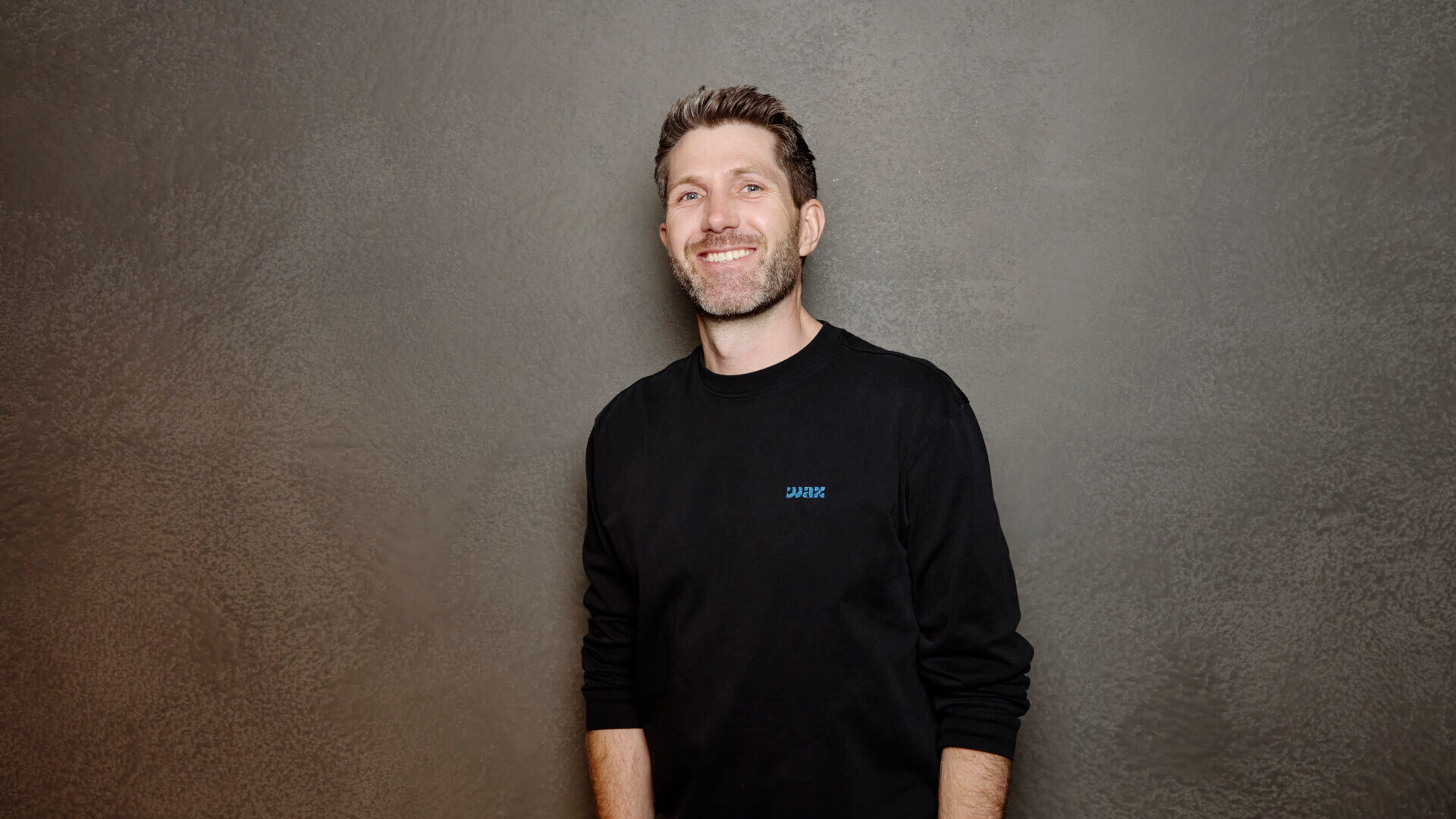
Dave Alcock began working in the music business as a teenager after cold-calling a PR agency in Hanover Square at 16. He later completed six months of unpaid work experience before moving from intern to assistant, then into tour management, promotion, and artist representation.
His career includes a 20+-year working relationship with Kerri Chandler, which began with a publicity-led campaign designed to establish the historical context around Chandler’s career. Alcock later founded Arcade Talent Agency as an independent company built around direct relationships with its artists.
Arcade has since expanded the agent’s role by appointing former Defected CEO Simon Dunmore as Head of Artist Development, adding support around contracts, sample clearances, legal connections, and wider career decisions. Ahead of WMC 2027, we spoke with Alcock about turning audience interest into ticket sales, testing new markets, controlling international touring costs, and knowing when an artist is ready for representation.
Be apart of the conversation by purchasing your badge for WMC 2027 right here.
Interview
What separates an artist who can secure occasional bookings from one who can build a sustainable touring career?
I think the biggest difference is consistency, but increasingly it is also about community. An artist might have one successful show or a moment online, but building a touring career means creating that demand repeatedly and in different markets. Promoters need confidence that when a date is announced, people are going to respond.
For a long time the industry became very focused on digital metrics, and obviously they matter, but ultimately touring is an IRL business. The most interesting artists are finding ways to make their digital world lead somewhere — bringing people together, creating experiences and giving an audience a reason to participate and engage rather than just consume.
That requires a long-term commitment. The artists who build lasting careers keep releasing good music and developing their live show, but they also build relationships with their audience and the people around them. One major opportunity can accelerate things, but careers are rarely built by one moment. They’re built by repeatedly giving people a reason to come back.
When you assess a developing artist, which indicators tell you that audience interest could translate into ticket sales?
I look for evidence that people are actively participating in what the artist is doing rather than simply scrolling past it. Streaming numbers provide useful context, but they don’t necessarily tell you whether somebody will leave their house and spend money to see that artist.
City-level engagement, repeat attendance, direct artist to fan contact through mailing-list and text growth, merchandise purchases and previous ticket sales can tell you much more. Increasingly, I’m interested in the relationship between an artist’s digital audience and their real-world audience. Does the online activity lead somewhere? If not, why not and can we find a route to connect passive fans to event attendance through IRL experience? I pay close attention to what happens in the room as well. Are people singing along? Are they bringing friends? Does it feel like an audience watching an artist, or a community participating in something? And does the promoter want the artist back and have a vision for their next steps?
For me, those behaviours are much stronger indicators of a sustainable career than a viral spike or a large number on a screen.
How should agents respond when streaming activity is concentrated in cities where the artist has never performed?
I’d treat it as an opportunity to investigate rather than evidence that we should immediately put a headline show on sale.
Streaming data is incredibly useful for identifying where something might be happening, but the agent’s job is to work out whether that digital interest can become real live interest. I’d look at how sustained the streaming is, what sort of engagement sits behind it, whether people are actively participating in the artist’s community and whether credible local promoters are seeing the same signals. Then you test it. A support slot, festival appearance or smaller event can provide a sensible first step. If that works, you come back and build from it.
That’s where I think good agents add value. Data can tell you where to look; it can’t necessarily tell you what to do. You still need relationships, judgement and an understanding of the local market to turn that information into a career.
Which emerging markets appear ready to support electronic artists beyond one-off festival appearances?
There are interesting markets developing outside the established European and North American territories. Parts of Eastern Europe and Latin America are building active club communities, while Southeast Asia and the Middle East are supporting increasingly regular electronic music events.
But I think we have to be careful about talking about an entire country or region as an “emerging market”. Touring careers are built city by city and promoter by promoter.
You need to understand who is creating genuine communities locally, which venues matter, how people discover music and what the economics look like. A festival appearance can introduce an artist to thousands of people, but the more important question is what happens afterwards. Can you return six or twelve months later and sell tickets independently?
I’d rather build genuine relationships in one or two cities and grow from there than chase a map full of one-off fees. The objective isn’t simply to visit a market; it’s to become part of it and build locals engagement.
How are rising travel and production costs affecting the way agents plan international touring?
Rising costs mean routing and tour economics have become much more important. We’re looking closely at travel, production and freight, but also at how each individual booking contributes to the wider run.
Regional runs often make far more sense than isolated dates across several countries. A fee can look attractive in isolation but become a bad booking once you’ve calculated what it costs to get there and what it does to the dates around it.
I also think this puts more emphasis on relationships. The agent’s role shouldn’t just be finding the highest offer on a spreadsheet. It’s understanding which promoters, venues and markets we want to build with over several years and what other opportunities they can and should open.
Sometimes taking the slightly smaller opportunity that strengthens a market is more valuable than taking the biggest fee available that weekend. We’re trying to build an ecosystem around the artist, not simply maximise individual transactions.
If you were advising an artist who hopes to secure agency representation within the next year, what should they concentrate on first?
I’d tell them not to concentrate on getting an agent.
Concentrate on becoming so good and so useful to an audience that people start pointing you into rooms. Find the thing that distinguishes you and go deeper into it. There are more artists, more music and more content competing for attention than ever before, so being broadly good at everything is often less powerful than having something genuinely distinctive that people associate with you.
Then build relationships around it. I heard somebody recently describe the challenge for younger people as managing your relationships rather than managing the algorithm, and I think that applies perfectly to artists. Algorithms can create extraordinary moments of visibility, but relationships are what turn those moments into careers — relationships with fans, promoters, collaborators, venues and eventually agents.
Build a live performance that people want to attend. Engage with the audience consistently, be it music release, product or educational content. Develop audiences where you already have traction. Have good live footage and professional materials, but don’t become obsessed with presenting the perfect version of a “brand”. Particularly with younger audiences, I think successful artist brands are becoming much more participatory. Let people into the world rather than constantly broadcasting at them.
The strongest conversation with an agency isn’t “What can you do for me?” It’s “This is already happening — how do we build it together?”
An algorithm can give you attention. It can’t give you a career. Ultimately, careers are built between people.