Ryan Merchant Explains What Artist Partners Can Change
Music technology companies regularly attach established artists to new products, although the exact role those artists play can be difficult to judge from outside the company. Moises is attempting to define that relationship with its Artist Partnerships program, which compensates musicians for testing products early and discussing their needs directly with company teams.
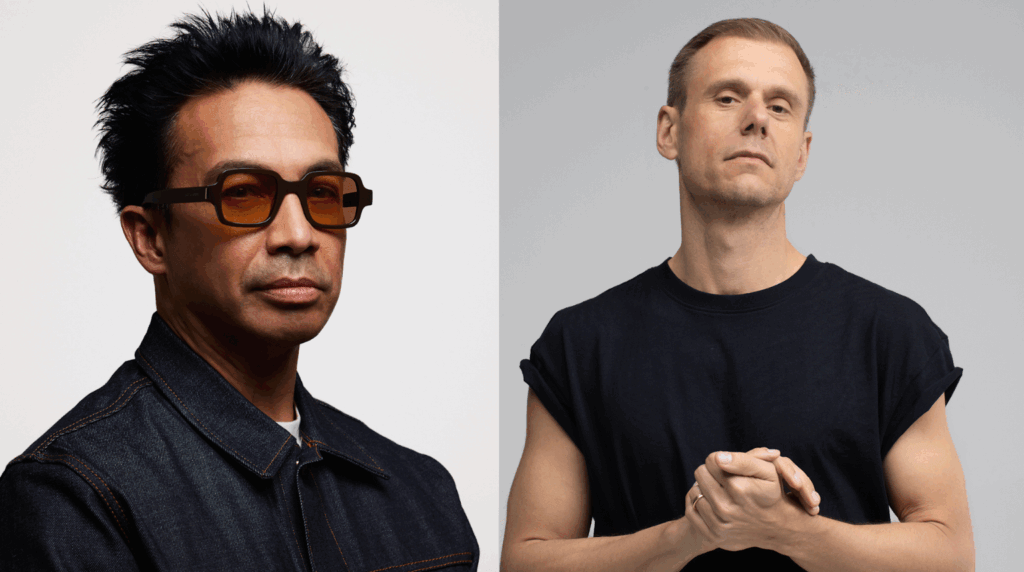
Armin van Buuren and Laidback Luke are the program’s first two members, giving Moises an opening group rooted in dance music, production, and education. The announcement follows the company’s appointment of Charlie Puth as Chief Music Officer earlier in 2026, while further Artist Partners from additional genres and musical traditions are expected to join over the next year.
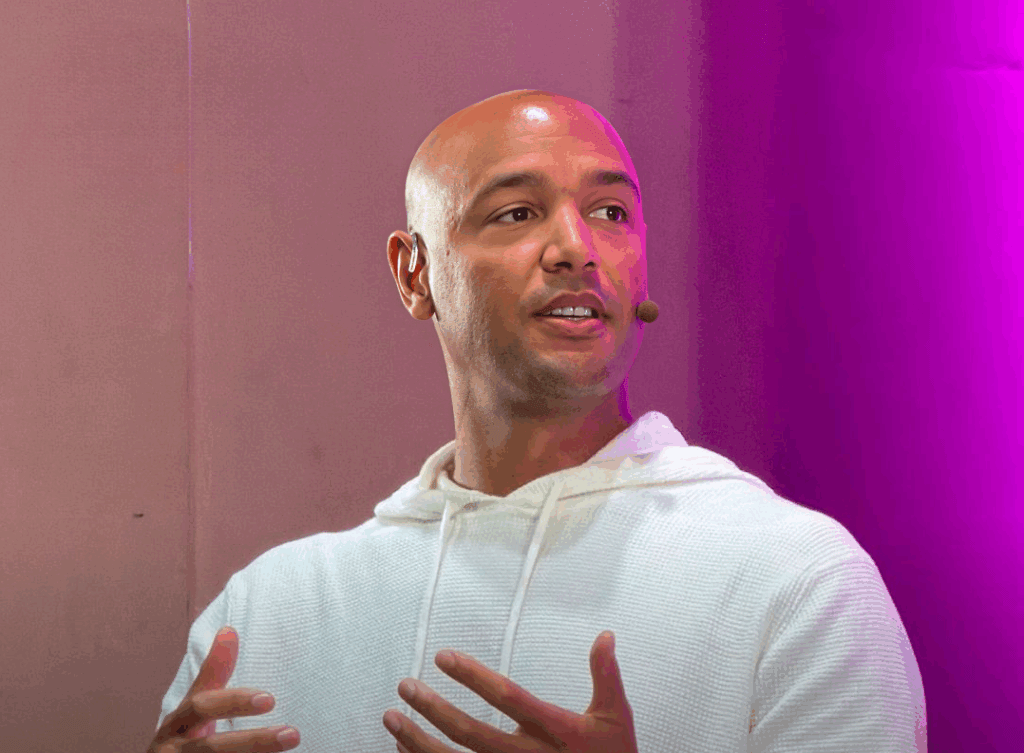
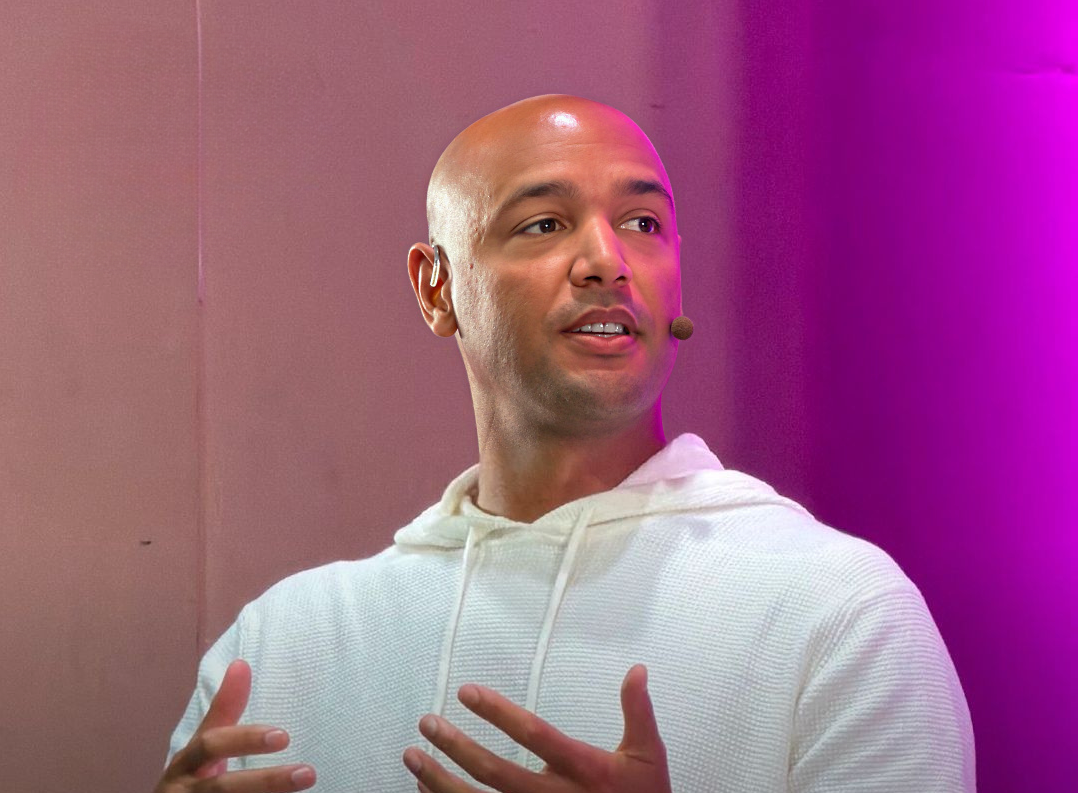
Ryan Merchant, Head of Global Communications & Artist Partnerships at Moises (pictured above), began developing the program in fall 2025 before it became a formal company initiative in early 2026. We spoke with him almost a year ago, but a lot has changed since then in the fast-moving space of AI (espeically in how it pertains to the produciton and music-making space).
Ahead of WMC 2027, we spoke with Merchant about what authority its members hold, why dance music was selected as the starting point, and how Moises plans to prove that artist feedback is affecting company decisions.
So join the conversation by purchasing your badge for Winter Music Conference 2027 right here.
Interview
When did the Artist Partnerships program move from an idea into a formal company initiative, and which company need was it built to address?
I started developing the Artist Partnerships program in fall 2025, and it became a formal company initiative in early 2026, when we approved the initial structure and investment behind it. Our broader goal is to make Moises an essential creative platform for musicians. To do that, we want accomplished working artists involved early enough to test what we are building and tell us what is missing before products reach the market.
The closest analogy is a sports company bringing world-class athletes into the product development process. If you are building tools for people performing at the highest level, you want those people helping shape the products they actually need.
Artist programs can range from paid endorsements to advisory positions with decision-making authority. Where does this program sit, and what authority will its members hold?
Artist Partners are compensated because we are asking them to contribute real time, expertise, and creative input. A program that asks artists for meaningful work without compensating them would contradict what we say about valuing artists’ contributions.
What they are not is a logo on a website. The structure gives them early access to products and ideas, opportunities to test features, and direct conversations with our teams about what is useful, what is missing, and what does not work for their creative process.
They do not have operational or decision-making authority. They cannot approve or kill a feature, and they do not run product teams. Their influence comes earlier in the process, when we are deciding what problems are worth solving and how a product should work for musicians in practice.
Why was dance music selected as the program’s starting point, and which characteristics of DJ and producer work led you toward Armin van Buuren and Laidback Luke?
There were two reasons, one strategic and one practical.
Strategically, electronic music has been working through questions about technology, creativity, and authorship for decades. Drum machines, sampling, software instruments, sync, remixing, and digital production have all changed how music gets made. Producers in this world are used to asking where technology enhances creativity and where it starts to replace something essential. That made dance music a natural place to begin a conversation about AI tools for musicians.
The practical reason is that I came out of this world, as I have been a DJ and producer for more than twenty years. I know the community well, and I had a good sense of who would engage seriously with the product rather than simply lend their name to it.
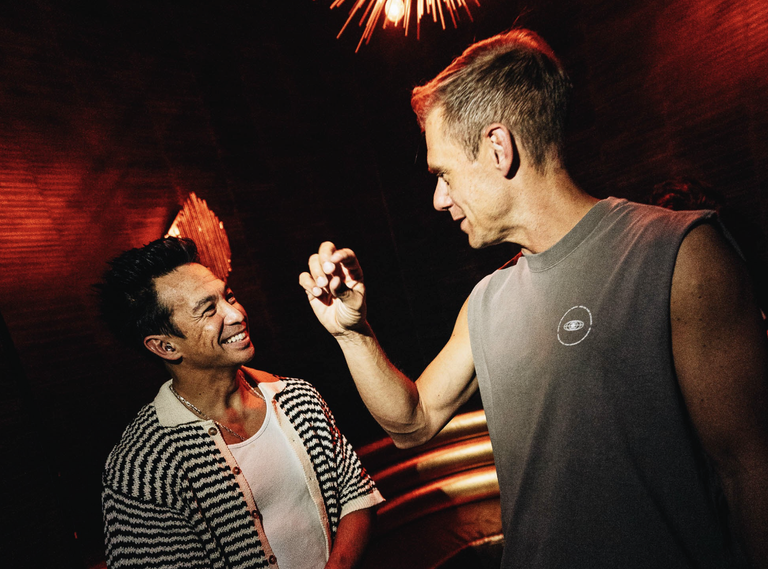
Armin and Luke stood out because they are not only accomplished artists and producers, but also educators. Armin has spent decades sharing his knowledge of music and the craft behind his work with a global audience. Luke has helped mentor a generation of producers, including Avicii. People who teach their craft tend to think deeply about how it works, which makes them especially valuable partners when you are trying to build better tools for musicians.
How will Moises account for musical traditions with different norms around authorship and ownership when one company-wide AI policy may not fit each community?
We have a few principles that apply across everything we do. We train our models only on properly licensed material, we do not train on music that users upload to Moises, and creators retain ownership of what they make using our tools.
But those principles do not answer every question. A framework built around commercially released recordings may not translate neatly to a tradition where authorship is collective, or where recordings of a community’s music are controlled by someone outside that community.
I do not think we have solved every one of those issues, and I would not claim that we have. That is one reason we want the Artist Partnerships program to expand across genres and communities, rather than simply adding artists based on reach. The goal is to bring people from those communities into the conversation early enough to tell us where our assumptions do not fit before those assumptions become products, policies, or standards.
Twelve months from now, what evidence should industry leaders examine when deciding whether this program changed company decisions or functioned primarily as an artist-led marketing campaign?
Success for us is being able to point to specific features, product decisions, or roadmap changes that came directly from Artist Partner feedback. Twelve months from now, industry leaders should be able to see a clear line between what artists told us and what changed as a result. That could mean a feature we redesigned, a workflow we simplified, something we chose not to build, or a new capability that emerged from those conversations.
If their input is visible in the product and in the decisions behind it, then the program is doing what we designed it to do.