Versa’s Leadership Explains Why Talent Buyers Need Representation
Artists commonly enter live entertainment negotiations with agents, managers, attorneys, and business managers protecting their interests. Buyers have historically entered the same negotiations with far less representation, despite facing questions around artist pricing, routing, production costs, and contract terms.
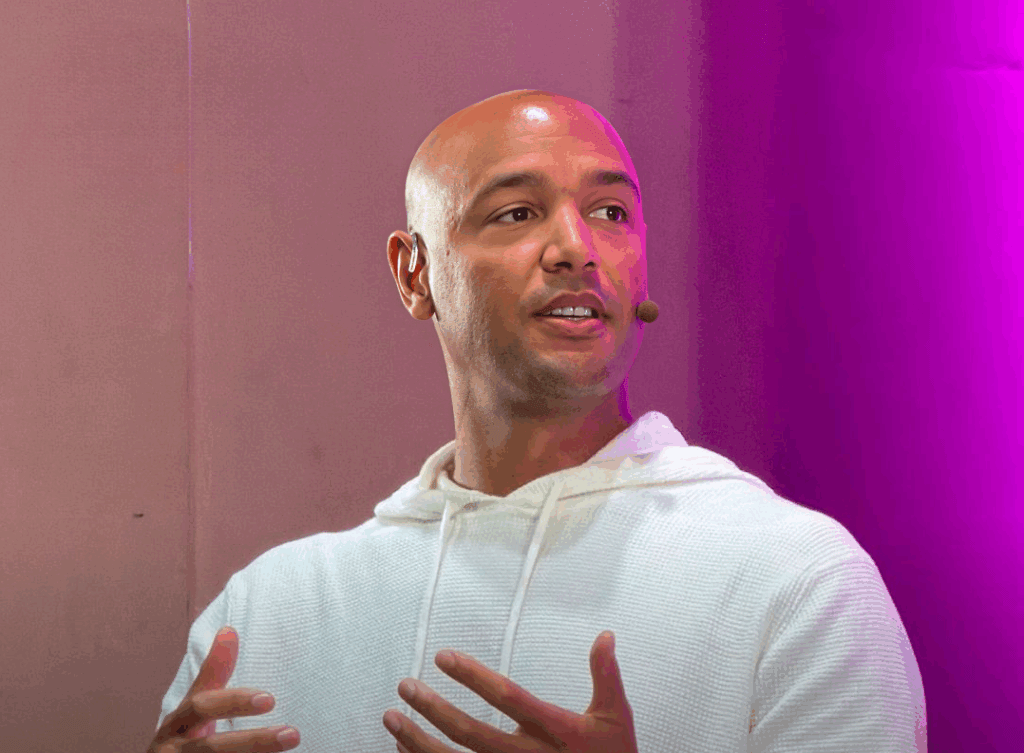
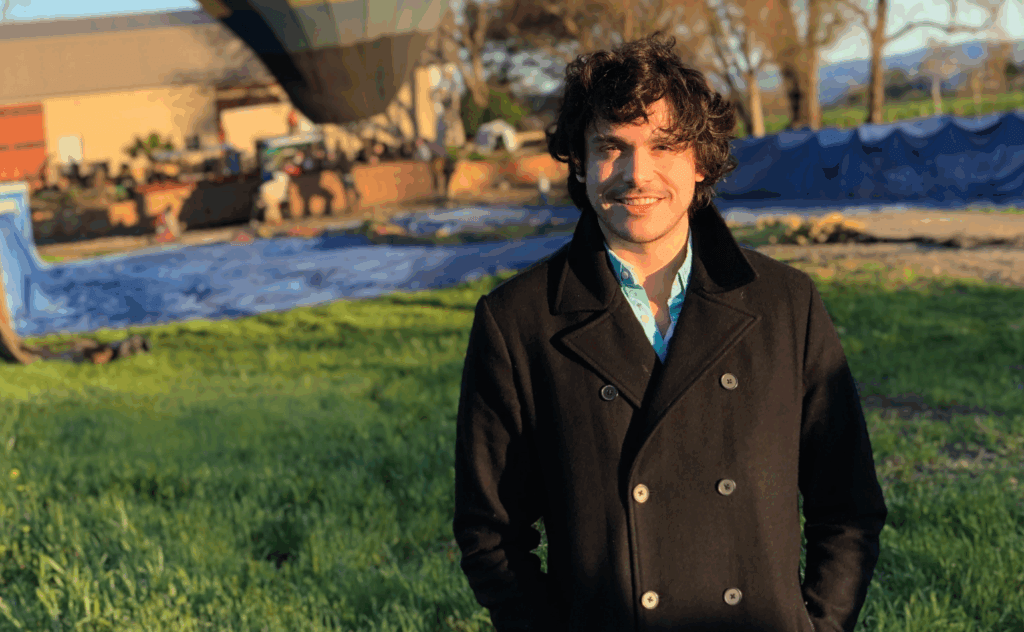
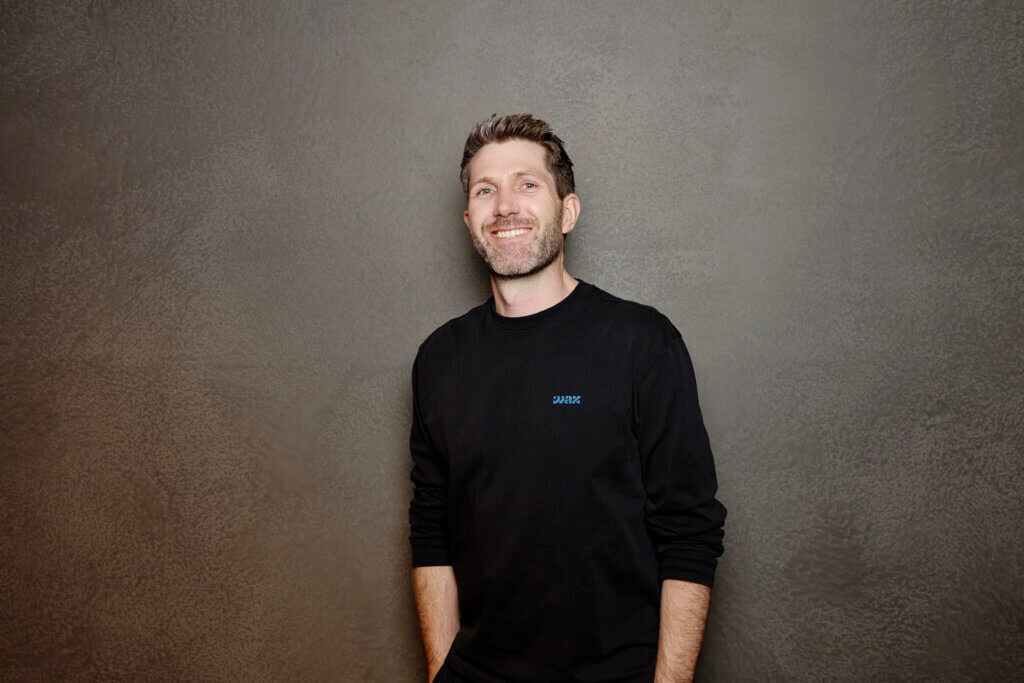
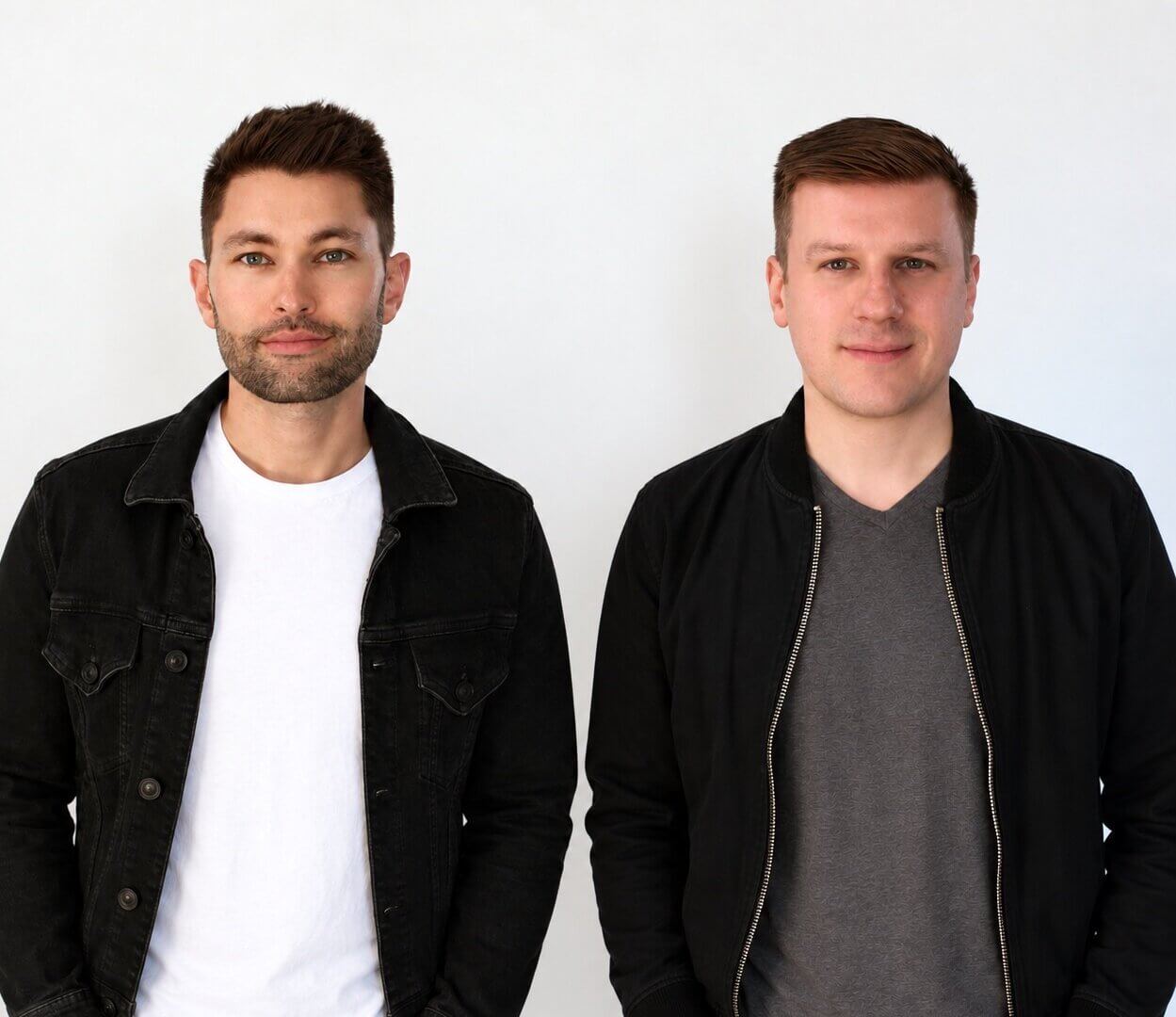
Versa operates from the buyer’s side of that relationship. Founded by Jace Cohen (pictured on the left above) and Toby Benson (pictured on the right above), the independent talent buying agency represents festivals, promoters, venue operators, corporate clients, and global brands rather than maintaining an artist roster.
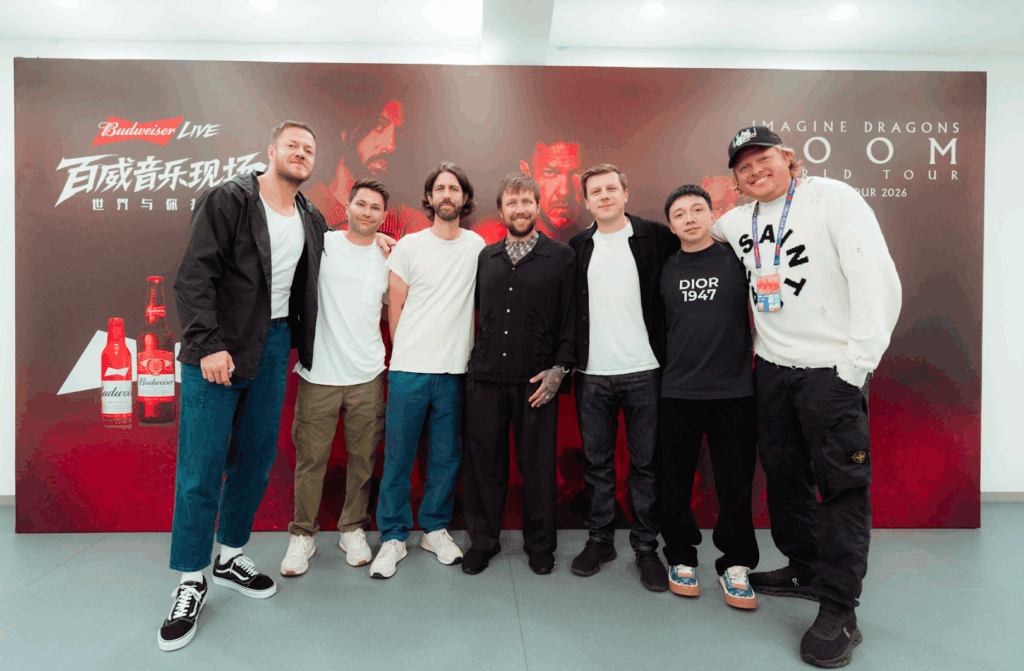
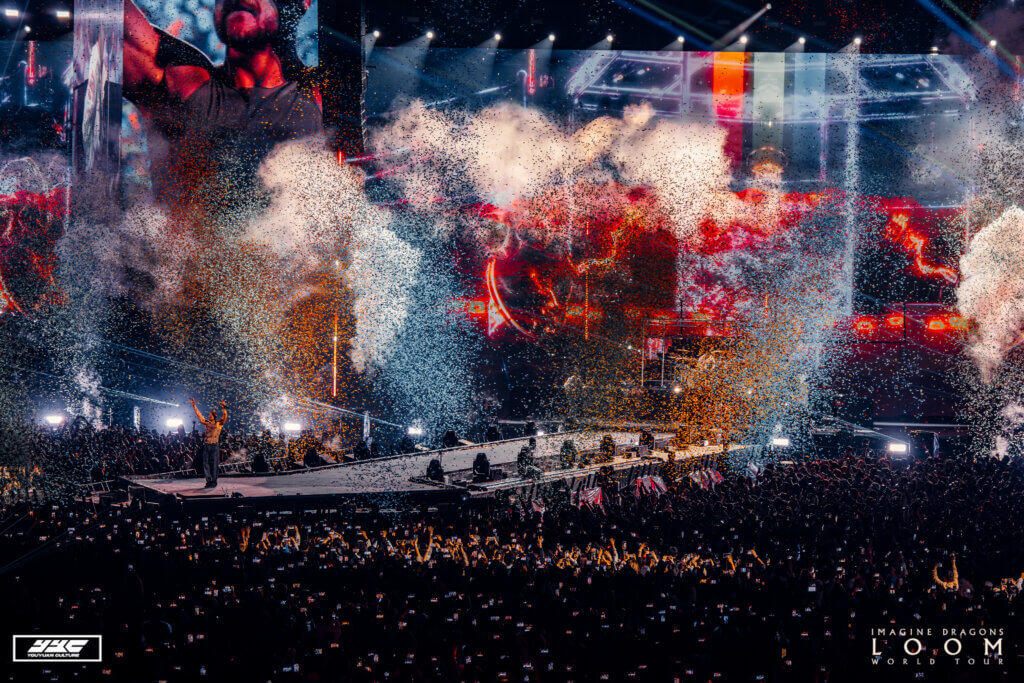
The company has facilitated over $100 million in talent partnerships and supported projects across over 70 countries. Its work includes Imagine Dragons’ 500,000-ticket stadium run in mainland China, international expansion for Anyma, and programming for festivals including Groove Cruise, Same Same But Different, S2O, High Tide Music Festival, and VAC.
In our recent interview, Co-Founder Toby Benson discuss what informed buyer representation looks like, why artist guarantees continue to rise, and where international touring opportunities may develop during the next five years.
Be apart of the conversation too by purchasing your 2027 badge here.
Artists have long had agents, managers, attorneys, and business managers representing their interests, but the buyer side of live entertainment has historically been much less structured. Why do you think that’s changing now, and what does sophisticated buyer-side representation look like today?
The live entertainment business has become increasingly consolidated and sophisticated, but historically much of that sophistication has existed on the artist side of the table.
An artist may have an agent, manager, lawyer and business manager involved in a transaction. Meanwhile, a festival, brand, corporate or private buyer can enter that same marketplace relatively unrepresented. That creates an obvious information and leverage imbalance.
I think buyers are increasingly recognizing that talent buying isn’t simply about asking an agent for a price. It is about understanding market value, routing, competing demand, deal structure, historical pricing, production exposure and where you actually have leverage.
Sophisticated buyer-side representation should be completely aligned with the buyer’s interests. Our job at Versa is not to sell a particular artist or inventory. It is to help the buyer make the best possible decision, negotiate the right deal and understand the market they are operating in.
Artist guarantees and the overall cost of producing live events have risen significantly in recent years. From your perspective on the buyer side, what is actually driving talent prices today, and where do you think the market goes from here?
Talent pricing is ultimately a market, not a price list.
Touring costs matter. Labor, production, transportation and the cost of putting on a show have all increased, but an artist’s guarantee is largely driven by supply, demand and leverage. How many dates are available? What else is being offered? What can the artist gross in that market? Is the date strategically useful to their routing? Is the artist having a cultural moment? How badly does the buyer need that particular name?
That can create enormous pricing differences for the same artist depending on the circumstances.
One thing we spend a lot of time doing for clients is separating price from value. Paying more for the right artist can be an excellent decision. Overpaying for the wrong artist because everyone is chasing the same handful of names is not.
I don’t expect talent prices broadly to return to where they were five or ten years ago. Instead, I think successful buyers will become more disciplined about where they deploy their talent budget, using better information, looking globally for opportunities and being willing to book differently rather than simply competing for whatever is hottest at that moment.
Independent festivals and promoters are competing in an increasingly consolidated live entertainment ecosystem. What separates the independent operators that are still able to compete, grow, and build sustainable events?
Vision, first of all.
Independent operators rarely win by trying to recreate what the largest promoters can do at greater scale. They win by understanding an audience or community incredibly well and building something people can’t get elsewhere.
We’ve all been to enough soulless festivals in a parking lot where the entire proposition is essentially a list of artists on a poster. The independents breaking through tend to have a much clearer reason for existing – the location, curation, community, production, hospitality or overall experience becomes part of the product.
It also requires a willingness to take calculated risks. Some of the strongest independent festivals we work with aren’t asking, “Who is everybody else booking?” They’re asking, “What could we do that people will still be talking about six months later?”
Our role is then to make sure the talent strategy supports that vision rather than becoming the vision itself.
Versa has worked extensively on international expansion, including helping deliver Imagine Dragons’ 500,000+ ticket stadium run in mainland China, programming talent for one of the largest EDM festivals, VAC, and supporting Anyma’s expansion into the market. What do Western artists and their teams most often misunderstand about entering markets like China, and where do you see the biggest global touring opportunities emerging over the next five years?
The first misunderstanding about China is simply scale.
It’s natural for Western executives to benchmark the global music business against North America and Europe. Spend meaningful time in China and you quickly realize there is an enormous domestic live entertainment ecosystem operating at a scale that many people in the West rarely see.
G.E.M.’s recent stadium touring is a remarkable example. Her I AM GLORIA tour did over 100 stadium shows in Mainland China alone. That gives you some sense of the demand that exists independently of Western touring.
The second misunderstanding is assuming that you can simply import the Western touring model. China rewards relationships, patience and flexibility. Regulations, approvals, timelines, local partners, ticketing, marketing and production can all work differently. You need people on both sides who understand how to navigate those realities rather than fighting them.
One of the biggest lessons for us has been how important the right local partners are.
We have probably said no to far more potential partners than we have said yes to. Many of the relationships we rely on today have been built over years. In some cases, close to a decade. Those relationships and that underlying trust matter enormously when you’re dealing with complex international projects.
At that level, it is not simply a transaction between an artist and a promoter. It is a real collaboration across local partners, artist teams, production, government approvals, ticketing, marketing and countless other moving parts. The strongest projects happen when everyone is aligned on the long-term opportunity, not just the economics of a single show.
Over the next five years, I think the biggest opportunity is going to be for artists and teams that genuinely start thinking globally rather than treating international markets as occasional extensions of a North American or European tour. China is obviously important, but we’re also seeing meaningful opportunity across Southeast Asia, Korea, Japan, India and the Middle East.
For artists willing to approach these markets seriously, the global touring opportunity is becoming much broader.
Brands have increasingly become major buyers of live entertainment themselves. How has the relationship between brands and artists evolved, and what are sophisticated brands doing differently when they approach talent and entertainment strategy today?
The best brands increasingly understand that talent can be a media multiplier, not simply an event expense.
Historically, a company might have an event for 2,000 people, hire an artist, the artist performs and that’s essentially the end of the value. A sophisticated partnership today might incorporate the live performance, social content, earned media, customer engagement, internal culture and other rights or activations around the artist.
But putting a famous person next to a logo doesn’t automatically create cultural relevance.
The brands doing this best start with the objective and audience, not with a list of celebrity names. Then they ask what talent, format and deal structure can actually accomplish that objective.
That’s an important distinction because the most expensive artist isn’t necessarily the artist capable of creating the most value for the brand.
Looking ahead at the next five years of live entertainment, what changes do you think will have the biggest impact on how artists, festivals, promoters, venues, and brands do business?
Five years is a long time in this business, but I think one of the most interesting dynamics will be the relationship between technology and physical experience.
AI and other technologies are going to make the amount of media and content available to us effectively infinite. Our digital lives will become more personalized, more automated and probably more fragmented.
Live entertainment is the opposite. A great show is scarce, physical and communal. You had to be there.
So somewhat counterintuitively, I think the more digital our lives become, the more valuable exceptional in-person experiences will become.
That doesn’t mean every live event wins. If anything, audiences will become more selective. Festivals, artists, venues and brands will have to give people a more compelling reason to leave their homes, travel and spend their time and money.
The winners won’t simply be the businesses that put more content into the world. They’ll be the ones that create experiences people genuinely don’t want to miss.