inMusic Transfers 4,489 Moog Artifacts to Foundation Archives
inMusic Brands, the parent company of Moog Music, has donated 4,489 historical items to the Bob Moog Foundation Archives in Asheville, North Carolina.
The collection includes over 500 schematics, 700 letters, prototype instruments, technical components, trade publications, product catalogs, personal office files, and handwritten engineering notes. Foundation staff spent over a year evaluating, documenting, and archiving the material.
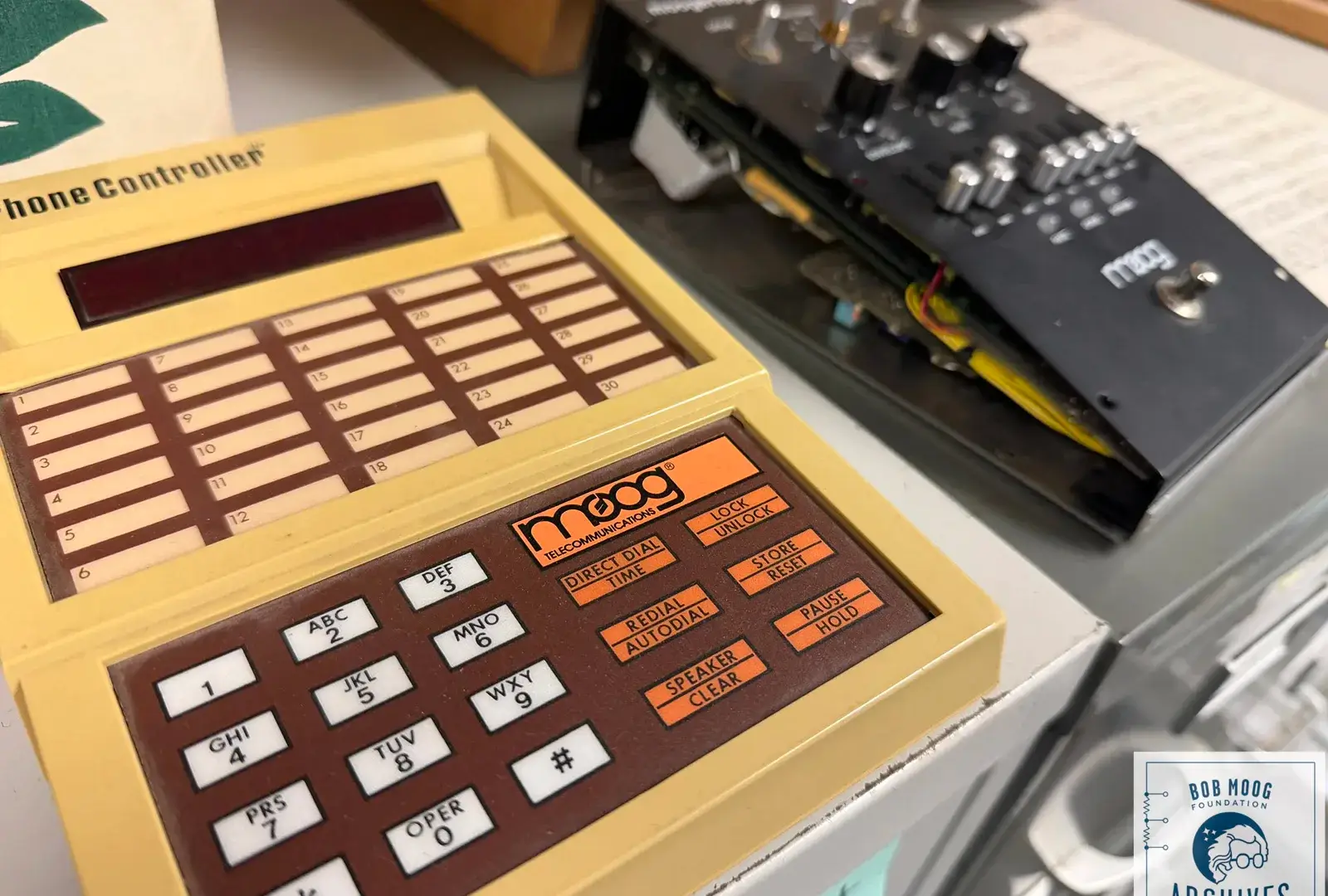
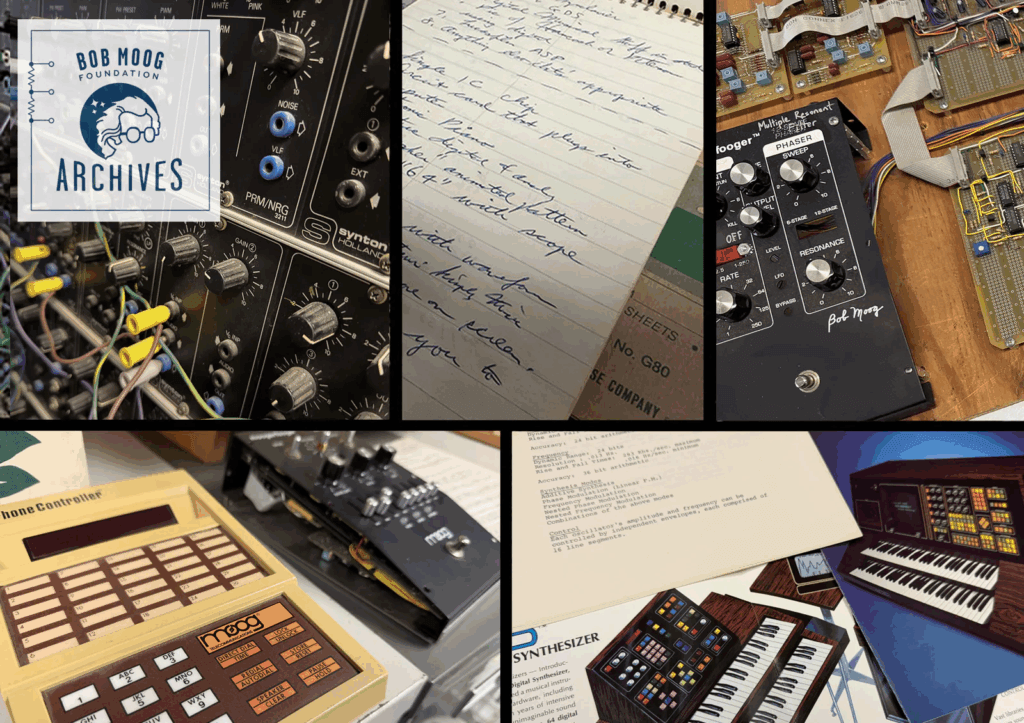
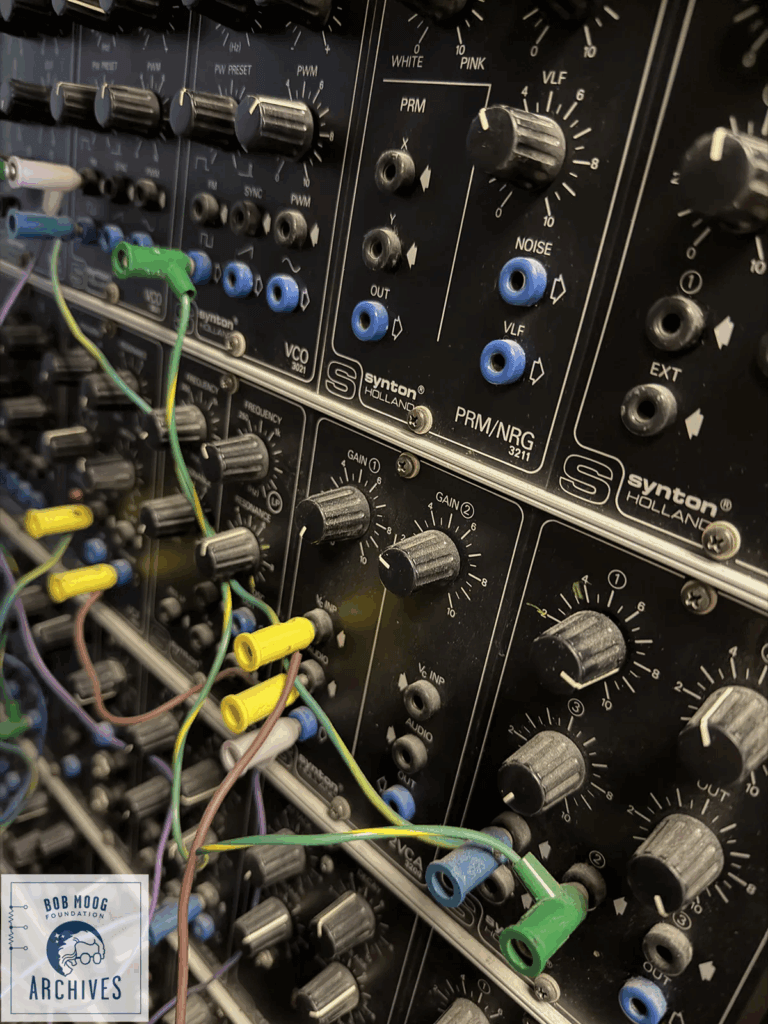
Individual pieces include a Fairlight CMI, a Synton System 3000 modular synthesizer, and a bench-model Minimoog Voyager prototype. The donation also contains Moogerfooger prototypes, a Multiple Resonant Filter test fixture, and a Moog Phone Controller PC-30 model.
Its size alone gives the Foundation a considerable body of research material. Its greater relevance comes from the relationship between the items. Letters, early drafts, technical drawings, unfinished models, and physical components can help researchers examine how ideas moved from conversation and experimentation toward commercial instruments.
Technical history depends on unfinished work
Commercial synthesizers document the final stage of product development. Prototypes and engineering notebooks document the decisions that came before release.
A bench-model Minimoog Voyager can help researchers study how its circuits and controls developed. A test fixture may reveal how engineers evaluated a specific design before production. Handwritten schematic notes can document ideas that were changed, rejected, or carried into later instruments.
The collection also includes 16 multi-drawer cabinets filled with capacitors, integrated circuits, and other electronic parts used to build and repair Moog synthesizers. These materials provide physical evidence of the components available to designers during specific periods.
That context has direct relevance for instrument designers, restoration specialists, historians, and educators. Preserving a finished synthesizer confirms what reached the market. Preserving its supporting documents and test hardware helps explain how technical decisions were made.
Correspondence connects engineering with electronic music culture
The donation contains letters between Bob Moog and figures including Wendy Carlos, Herb Deutsch, Felix Visser, and Lydia Kavina. It also includes first drafts of book forewords and technical articles written by Moog.
Private correspondence can help researchers establish dates, working relationships, technical concerns, and personal responses that published accounts may omit. When studied alongside schematics and prototypes, those letters may provide context for changes in instrument design and performance practice.
The hundreds of trade-magazine issues and rare product catalogs add another source of evidence. They document how peer companies described their instruments, which features manufacturers prioritized, and how electronic music equipment was presented across several decades.
Taken together, these materials can support research that moves past individual products and examines the professional community surrounding early electronic instrument development.
The donation expands an archive of over 15,000 items
The Bob Moog Foundation Archives now contains over 15,000 historical materials related to Bob Moog and his collaborators.
Existing holdings include 1954 R.A. Moog Co. Model 201 and Model 351 theremins, Bob Moog’s first electronic instrument known as the Rensitron, Herb Deutsch’s 1961 Melodia theremin, and two Moog modular synthesizers from 1967. The archive also holds a Musonics Minimoog, Gary Wright’s Moog Liberation keytar, the Polymoog Apollo prototype, and the first Minimoog Voyager sold.
Earlier donations from inMusic include Bob Moog’s 2002 Technical Grammy and the woodworking lathe used by Bob and his father, George Moog, to produce cabinetry for early instruments.
The Foundation preserves these materials for researchers, journalists, museums, and exhibitions at the Moogseum in downtown Asheville. Its programs also include Dr. Bob’s SoundSchool, which connects science, music, technology, and education.
Corporate stewardship can determine what survives
This transfer raises a wider question for music technology companies: what should happen to prototypes, correspondence, technical notebooks, and company records once they lose an immediate commercial purpose?
These materials can be difficult to replace once discarded or dispersed among private collections. Donating them to an independent archive gives trained staff the opportunity to catalog each item, establish its origin, and make it available for future research.
The industry community surrounding Winter Music Conference regularly discusses new equipment and production methods. Historical collections add essential context to those conversations because current instrument design draws on decades of engineering research and manufacturing experience.
inMusic’s donation also establishes a clear example for companies holding historically relevant material.
Preserving commercial products is one part of that responsibility. Preserving drafts, correspondence, test models, and failed experiments gives future researchers a fuller account of how electronic instruments developed.