LWPR Founder Liz Wilkinson On AI And The Future Of MI Brand Communications
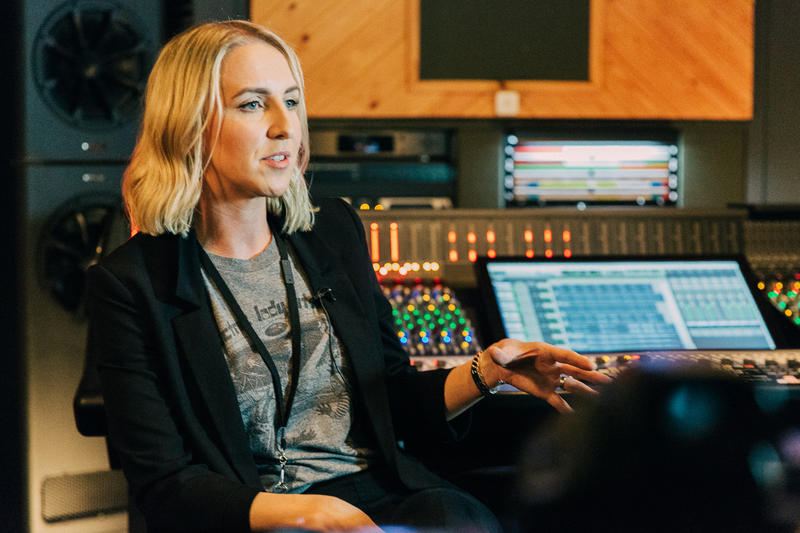
Liz Wilkinson has spent her career managing communications for pro audio and music technology companies. She is the founder and managing director of LWPR, a specialist PR agency for audio and consumer technology brands, and the co-founder of PR platform Brandlifi.
Wilkinson spent ten years working in-house at AMS Neve before moving to agency work. Her client experience includes Focusrite, PMC, Spitfire Audio and GIK Acoustics, alongside Royer Microphones and Undertone Audio.
Ahead of WMC 2027, we spoke with her about explaining technical products, earning attention from specialist media, and maintaining human judgment as AI takes on a larger role in company communications throughout the music industry and the brands making the tools that drive the sounds of the industry forward.
Purchase Badges For Winter Music Conference Here
Interview With Liz Wilkinson

Music technology products can be highly technical. How do you turn detailed product information into a clear story without removing the information that experienced users care about?
As a PR agency, our job is to translate technical information for whoever we are writing for so that it means something to them. Simply providing a spec sheet does not achieve that. You cannot hand someone data and technical details and hope they understand why the product deserves their attention.
Explaining what a product is tends to be less important than explaining what it does and why it exists. We want to communicate why it is better and why someone should consider it. There is a time and place for highly technical information, and our aim is to present it in a way the intended audience can understand.
We also use other forms of storytelling beyond press releases and data sheets. Video content and case studies can communicate information differently, while product walkthroughs and in-person demonstrations can help people understand the product directly. The format depends on who you are speaking to.
When a company serves musicians, engineers, and general consumers, how should its communication change across those audiences?
It comes back to translating the key messages for whoever you are speaking to. An engineer, a musician, and a general consumer will have different needs and care about different aspects of the same product or company. What you lead with and how you explain it must change for each audience. Providing real context is essential.
You are often telling the same story in language suited to each audience. The engineer may want technical detail and confirmation that the product will receive ongoing support. The musician may want to understand what it allows them to do, while the consumer may want to know that it will sound good, ship quickly, and be easy to set up. The skill lies in tailoring the message to the audience’s needs.

From your experience working with specialist media, what makes an editor take an interest in one product announcement while passing on another?
Each time we pitch a story or product to an editor, we consider whether it genuinely suits the publication and its readership. We then tailor the message accordingly. For example, I probably would not pitch high-end studio monitors to a publication aimed at hobbyists and beginners unless there were a specific and relevant angle. An audio interface priced below $200 could be a much better fit.
We also try to make the editor’s job as easy as possible. Editors are busy and may receive hundreds of pitches each week, so they will usually know within the first few sentences whether an announcement is relevant. My priority is to confirm that it suits the publication and provide everything needed in as few steps as possible.
Providing the essential information, live links to key assets, and relevant spokesperson quotes in one place helps. It also gives the editor a reason to open my next email or take my call because they know they can access what they need without chasing additional material.
How can music industry events and in-person activations continue supporting business development and professional education after the physical conference has ended?
Capturing and repurposing panels, talks, and important conversations can reach a much wider audience than the people seated in the room on the day. Distributing that material across other channels allows people who could not attend to access the discussion. Attendees can also revisit the information during the following months.
The themes and conversations raised during an event are equally informative. They offer a direct indication of what the industry is discussing, and they should influence new content and further conversations ahead of the following year.
Some events lose activity as soon as the stands come down. Without follow-up and an organized approach to communicating with exhibitors, panellists, and attendees, relationships developed during the event can go cold and important industry observations can be lost. When handled properly, the event becomes a series of year-round contact points instead of an isolated date on the calendar.

Looking ahead, which communication habits do music technology companies need to reconsider as product discovery moves across editorial media, creator channels, online communities, and direct brand platforms?
I know it is a common topic, although companies should not rely on AI for work where human judgement is crucial. AI can assist with certain tasks, and many of us use it to some degree. It cannot replace someone who knows the company, understands the sector, and can read the room.
I have attended too many recent meetings where companies have removed entire marketing and communications departments in favor of using AI to produce press releases. It does not reflect well on the company.
Product discovery now happens across a growing number of channels, which increases the risk of inconsistent or inaccurate communication. Maintaining consistent key messages at every contact point takes considerable work for companies and the people they serve.
Senior leaders and spokespeople also need to understand the company’s communications and speak confidently about their areas of expertise. Brand assets carry importance as well. High-quality product images and videos should be easy for editors and creators to access, ideally from a dedicated platform such as Brandlifi, and should meet the same standard as the written material.
Speed is another consideration. Technology and media move quickly, so companies need to respond while an opportunity remains current. If a team cannot provide a timely response, the opportunity may pass.