The U.S. Visa Questions International Artists Should Ask Before Heading to WMC
For international artists heading to Winter Music Conference, the trip can open doors to new relationships, future bookings, and a stronger understanding of how the U.S. music business operates. It can also create legal risk when the line between attending an event and working at one gets blurred.
That is exactly why conversations around artist visas continue to sit near the center of the broader WMC experience, especially for DJs, producers, and performers arriving from abroad with packed schedules and public-facing appearances already in motion.
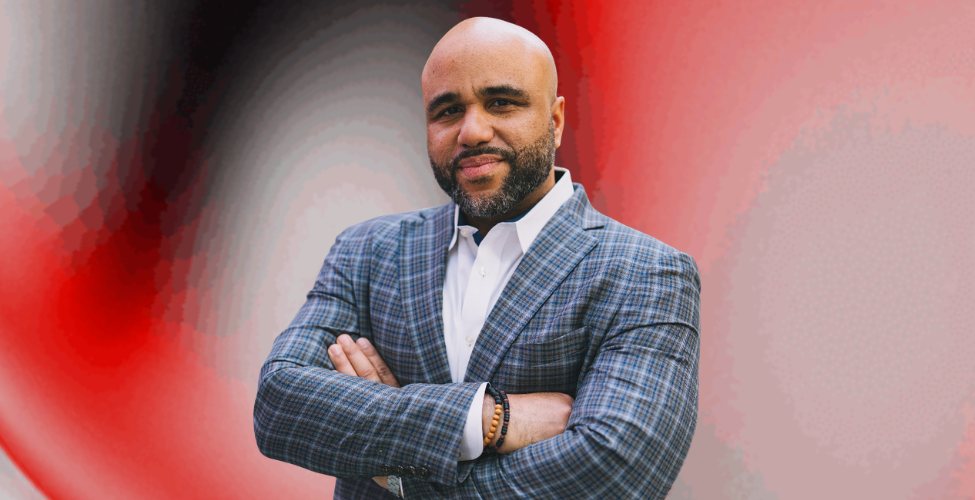
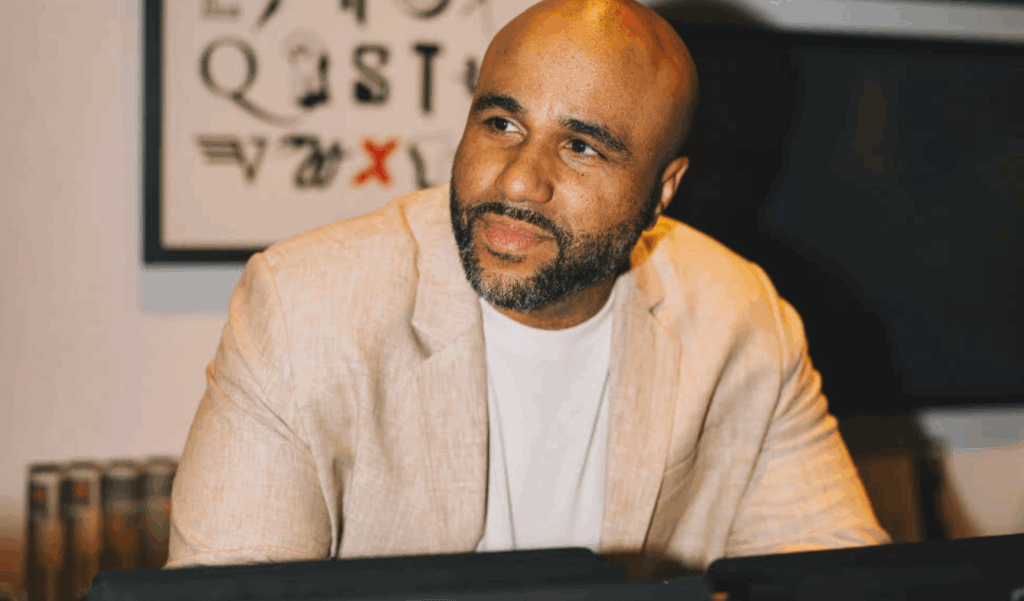
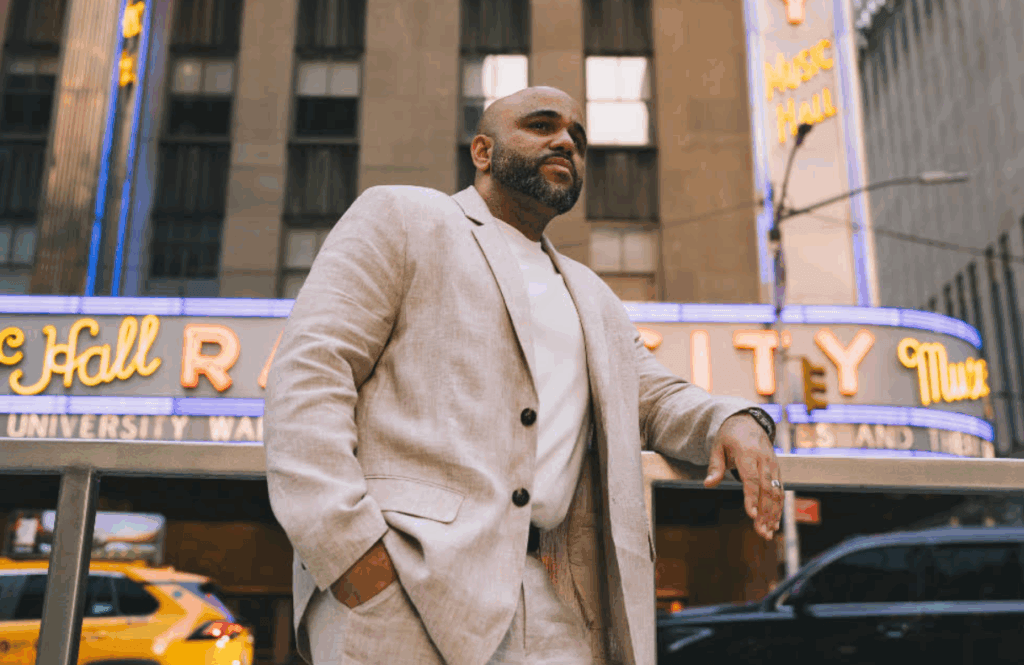
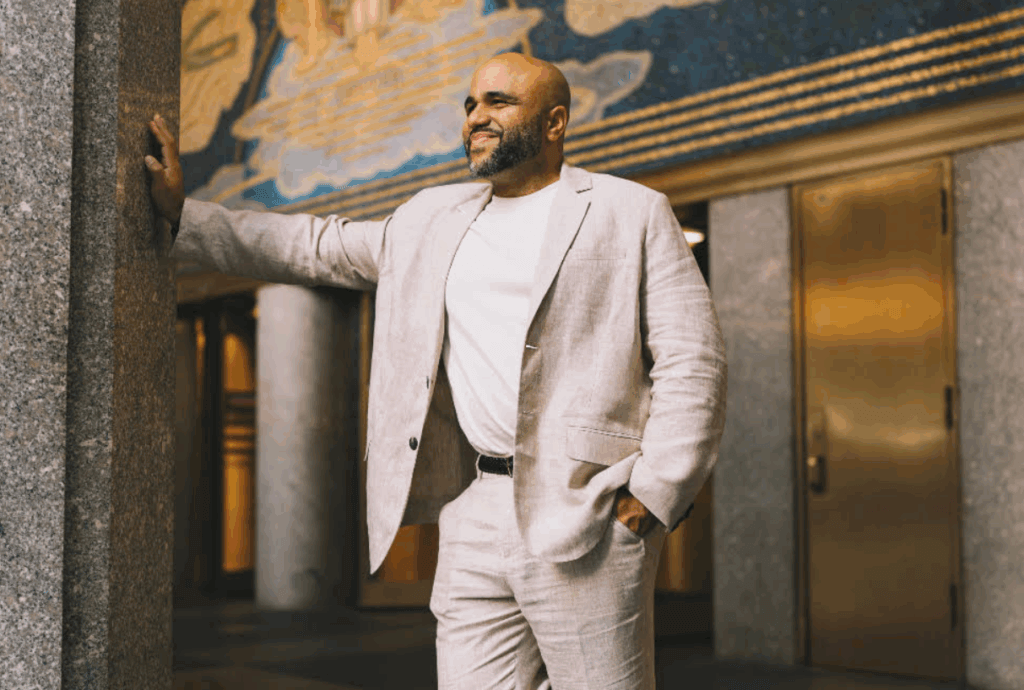
Pablo G. Velez, Esq. brings a highly specific perspective to that conversation.

As a Partner at Velez & Cipriano, PLLC, he has built his practice around helping internationally recognized DJs and music professionals secure O-1 and P-1 visas for U.S. travel and performance. His work is closely tied to the realities of the electronic music business, which gives him a practical view of how immigration rules apply to conference appearances, lineup announcements, promotional obligations, and the many gray areas artists and their teams often underestimate.
At Winter Music Conference 2026, Velez will be part of the panel From Dancefloors to Documentation: Navigating U.S. Artist Visas with Confidence, scheduled for Wednesday, March 25.
His session is expected to be useful for artists, managers, and industry professionals who need clear guidance before arriving in the U.S. In the interview below, he breaks down the legal distinction between attending and working, explains what foreign artists can typically do without a work visa, and outlines the kinds of mistakes that can create serious problems at the border.
Interview
For artists flying into the U.S. for an event like WMC, what is the first legal distinction they need to understand between attending, networking, and working?
The key legal distinction is between being a visitor and being a worker. In U.S. immigration terms, activities like attending a conference, networking, or tourism are considered visitor or business activities, usually allowed with B-1/B-2 status or ESTA. However, performing, appearing on a lineup, or providing entertainment is considered work and normally requires a proper artist or performer visa, such as an O or P visa.
It does not matter if an event is called a “conference” if you are actually performing. If you are advertised, scheduled, or expected to perform, immigration officers will likely view you as entering to work, not simply to attend.
What activities are generally allowed for a foreign artist entering the U.S. without a work visa?
Without a work visa, a foreign artist can usually attend the conference, panels, workshops, and parties as a guest, meet people, network, and discuss future projects.
You may hold business meetings, negotiate future shows, and talk about your music. Passive promotion, such as handing out cards, sharing links, or talking about your work, is generally allowed as long as you are not performing or providing services. Buying equipment, attending showcases, or being in the audience is also fine.
The important point is that you are not on the lineup and are not providing a performance or service to a U.S. company while in the country.
Does it matter if the artist is being paid, promised future compensation, or receiving anything of value such as flights, hotel, guest list, exposure, or media coverage?
Being paid or unpaid does matter legally, but not in the way many artists think. U.S. immigration law focuses on whether you are performing work or providing services, not only on receiving money at the time.
Payment later, promises of future bookings, or non-cash benefits such as flights, hotels, per diem, guest list access, or exposure can still be considered compensation. If the real purpose of the trip is to perform or provide services, it may be treated as unauthorized work without the proper visa, even if no money changes hands during the event.
How do immigration authorities typically view DJs or performers who say they are playing for promotion only and not for direct payment?
Immigration officers are often skeptical of explanations like “I’m playing for free” or “it’s only for promotion.”
If you are on a flyer, announced on social media, part of a lineup, or helping attract a crowd, officers may view that as providing a service with commercial value. They have wide discretion, and if they believe you intend to perform without the correct visa, they can deny entry, send you home, and sometimes make a record that can affect future travel.
Anything else artists traveling to WMC should know?
Artists traveling to events like WMC should assume that any advertised or organized performance requires the proper U.S. work visa, including pop-up sets, guest appearances, or back-to-back performances. What appears online should match what you say at the border, because officers may review social media, event promotions, or items in your luggage if they have concerns.
Never lie to immigration, as misrepresentation can have more serious consequences than being refused entry.
When possible, speak with a U.S. immigration attorney before traveling, and make sure your agents, managers, and promoters understand that visa compliance is ultimately your responsibility.