How Dirty Workz Knows When a Hardstyle Demo Is Ready

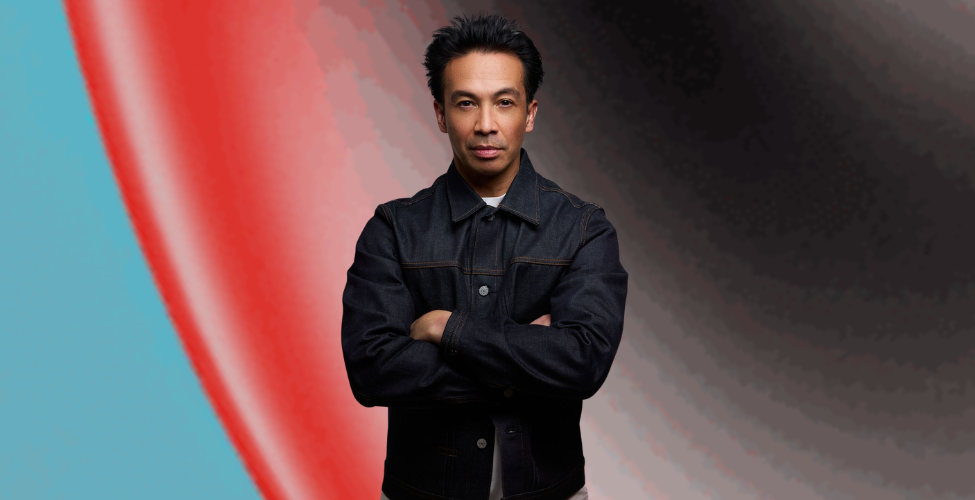
Dirty Workz arrives at Winter Music Conference 2026 with a clearly defined lane and a catalog that has helped set expectations for hard dance at an international level. That makes its stop at the A&R Pop-Up Lounge a strong draw for producers who want direct contact with a label team that knows exactly what it is hearing for. Scheduled for Wednesday, March 25 from 3:00 to 4:00 p.m., their session puts badge-holders in the room with Fabian Schekkerman, and it gives artists a rare chance to move past inbox submissions and present music face to face.
That context gives the interview something unique to bring to the table, because Dirty Workz speaks from a position shaped by years of high-level output and a clear internal standard. In these answers, the label does not reduce hardstyle to loud kicks, familiar formulas, or surface-level aggression.
Within the structure of the A&R Pop-Up Lounge, that perspective fits the larger goal of WMC’s new networking and community-driven format. The A&R Pop-Up sessions are built for direct conversations, USB demo handoffs, and in-person introductions, and Dirty Workz brings a focused point of view that can help artists hear their own work through the lens of label development.
For producers working in hard dance, that kind of access can sharpen expectations fast, and this interview gives a clear preview of the standards, habits, and long-term thinking the label wants to see before a demo moves forward.
Interview With Fabian Schekkerman

In hardstyle, what makes a demo feel release-ready instead of a rough idea with loud kicks?
It’s fairly difficult to explain. Since you can hear straight off of the bat if a track is quality or not, it’s very hard to improve that quality with feedback since hardstyle has a very high end production quality. It is not all about throwing together some hard kicks and calling it a day.
Other times, a demo may have a good idea, but the production quality is below par, and it becomes a difficult task translating that into something release-worthy. So we always say that if the production quality, meaning how sounds have been used and the quality of the mixdown, is already there, then coming up with a strong idea for a track is only a matter of time.
When you hear a newer act, what tells you they could fit Dirty Workz or grow into that lane over time?
They need to have a certain level of production quality, or at least show promise across their releases that things are progressing in the right direction.
The best case is an artist who sounds unique and sticks to a defined sound without fully following trends, or someone who can translate trends into their own identity. It also helps when an artist has a clear idea of where they want to be in the coming years, on a production level and in how they are building their brand to become a fully realized artist.
Those are clear indicators we look for.
What do producers in hard dance still get wrong when they send music to labels?
Most of the time, they either send in a demo that is not hardstyle, which is probably the biggest issue.
Other times, they think putting together a few hard kicks will be enough. If we receive a demo that sounds like another artist, we do not see that as a negative, especially if it is done well. It shows they understand the production process. From there, the next step is developing that into a more personal style.
How do you hear the difference between raw energy and real taste or unique style in a demo?
It is difficult to pinpoint.
An artist can have a strong idea, but the production can still fall short. It takes a lot of work to bring that production level up to a standard we are willing to work with. We prefer to receive something that already sounds polished in terms of production, and then build from there toward something more individual.
It takes a lot of time.
Most artists are not sending their first track. They have usually spent years working in their studios, refining their skills, staying self-critical without overdoing it, and eventually reaching a point where they feel ready to send something out and see what happens. Rejection is part of that process, and the best approach is to keep working and keep submitting until something connects.