How Spinnin’ Records Listens To Demos That Get Signed in the Streaming Era
Spinnin’ Records arrives at Winter Music Conference 2026 as one of the most established names in dance music, and its presence at the new A&R Pop-Up Lounge gives badge holders direct access to a label with a long track record of signing records that move from club play into wide release.
Founded in 1999 and now operating within Warner Music Group, the Amsterdam-based company has spent more than two decades building a catalog that connects mainstream reach with dance-floor utility. That history gives this session extra weight, because artists walking into the room are not pitching into a vacuum. They are stepping in front of a team that works at scale and still has to make fast, practical decisions about what deserves attention.
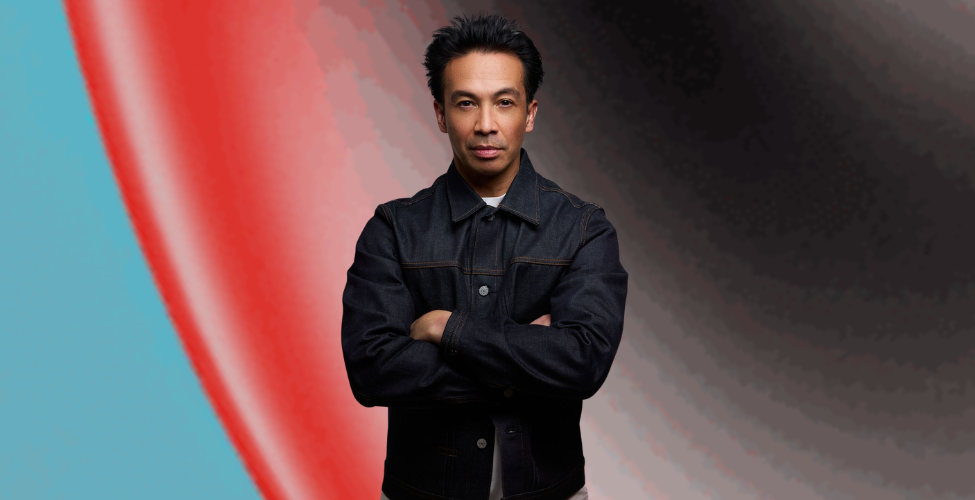
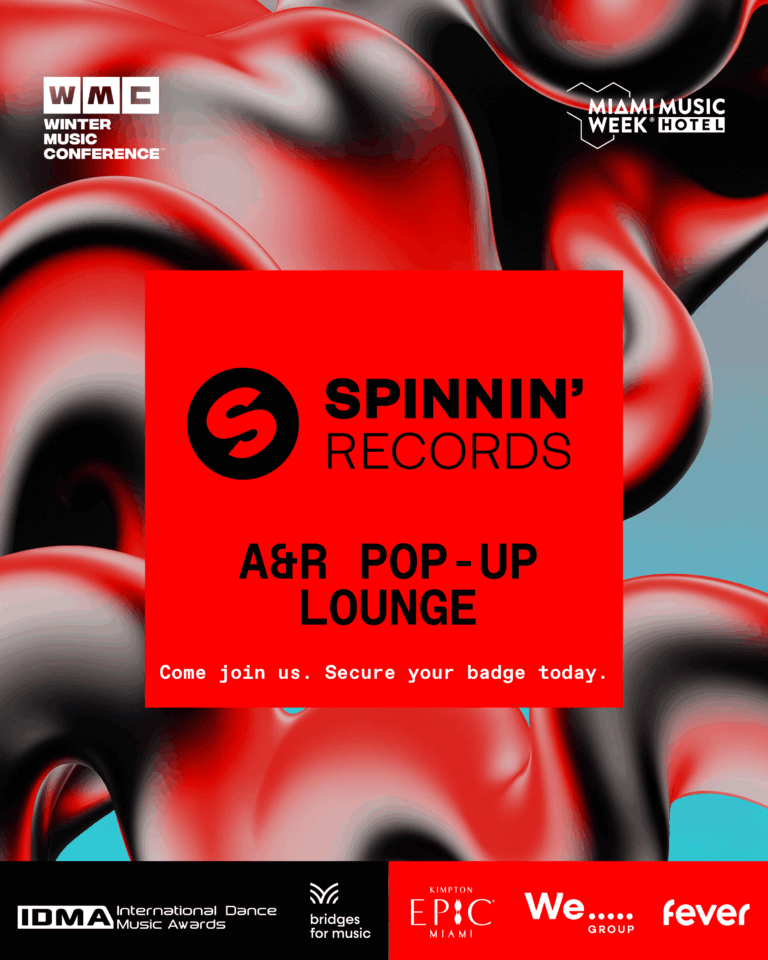
That is part of what makes this conversation with Senior A&R Manager Frederick Pranger so important ahead of March 25. The A&R Pop-Up Lounge is built as a face-to-face meeting point where artists can hand over USB demos, meet label teams directly, and start real conversations with the people making signing decisions.
For Spinnin’, that process now sits at the intersection of instinct, artist development, market response, and data.
What comes through in our chat is that Spinnin’ is still thinking beyond one track.
A strong record matters, although the larger question is what kind of artist sits behind it, what other music they have in reserve, and how ready they are for the kind of relationship a label wants to build over time. Branding, personal connection, and a clear sense of direction all come into play alongside the music itself.
For producers planning to attend the Spinnin’ Records session at WMC, this gives a much clearer picture of what the team is actually listening for when the first few seconds of a demo start to play.
Interview With Frederick Pranger

Spinnin’ sees a huge volume of demos through Talent Pool. What helps a track get noticed quickly when you’re looking over that many submissions?
To answer your question, it is necessary to provide some context of what has happened in the current markets.
So-called “Data A&R’ing” has caught up with “traditional” A&R’ing, as artists now have tools to self-distribute and test the market. Because of that development, the market will do a lot of the curating, which has us look at data more than ever before.
It is a certainty that labels will find you if a track gains enough traction on the platforms, which works very differently from before. Like all majors, we built a data tool that allows us to track data on a specific record, and based on that we decide to sign the artist or not.
I emphasize “artist”, as Spinnin’ always focuses on artists first.
Even in today’s fast-changing landscape, we aim to sign artist propositions that we can develop into fully developed global artists.
When a record hits your desk, what makes it feel like a Spinnin release instead of a copy of what already works?
We try to embody what the listener is looking for – and even that is difficult as every market wants something else – and if the record in front of us can appeal to enough markets to make it a hit.
This appeal can have many shapes, from traction on social media to a specific sound that is not yet out there. We always try to push not only the commercial market, but also the club market forward with our music.
What tells you an artist has the chops in the studio to hopefully deliver a follow-up release once you’ve signed a single or an EP?
We try to listen to as much of the artist’s music as is available to us, which also allows us to feed the artist ideas or songs from our side that could work.
Based on that, we can easily determine whether our team matches with the artist on a personal level. It really is a personal relationship you have with an artist, so if that personal connection is there, that is the essential foundation for a longer partnership. I see it as our task to mentor the artist into making more right than wrong decisions, and to do that, we need to have that honest back-and-forth with our artists.
Once you love a demo, how important is artist branding next to the track itself?
We can assist in that with the fantastic marketing and social team, but a strong branding foundation that an artist can build by themselves is invaluable.
Then again, we acknowledge that this is also very difficult to do while being in the studio or on tour full-time.