Ryan Merchant on Artist Control, Transparency, and AI at Moises Ahead of WMC 2026
As Winter Music Conference 2026 gets closer, AI in music is becoming a more focused industry conversation, especially for artists concerned that it will take something more than their jobs or their streams; that it will take their voice as artists. The loudest reactions over the last year centered on fear, controversy, and replacement. Heading into Miami, the discussion is getting tighter and more practical. Artists, platforms, and executives are being pushed to answer harder questions about authorship, workflow, transparency, and control.
Charlie Puth recently joined Moises as Chief Music Officer, a move that says a lot about how music technology companies want to frame AI right now. This is about more than attaching a recognizable artist to a platform, as it reflects a larger push across music tech to present AI as something that can support musicians during writing, rehearsal, production, and experimentation while keeping creative decision-making in human hands.
In the lead-up to WMC, that message matters now more than ever because Miami has long been one of the places where industry talking points face real scrutiny from artists, founders, managers, and developers working at the front edge of change.
In the interview below, we spoke with Ryan Merchant, Moises’s Head of Global Communications. Throughout, Merchant explains why this matters now, why transparency should look like inside AI-powered music tools, and why the company launched the partnership through a remix competition built around access to real stems.
Together, his answers offer a clear look at how one of the most visible new partnerships in music tech is positioning itself ahead of one of the year’s key industry gatherings.
Interview With Ryan Merchant

Why did Moises decide a Chief Music Officer role mattered right now, and what problems did it solve internally?
The entire AI music conversation has been focused on the platforms marred in controversy. Nobody has been talking about the AI companies doing things the right way. We needed a recognizable and trusted public voice to help change that narrative.
The Chief Music Officer gives us the credibility to speak about the future of AI in the industry with a musician whose cultural authority is respected by everyone.
What changed on your roadmap once you committed to building with an active, working artist in the room?
Our product has always been shaped by real musicians.
Almost every one of our 100+ employees is an active instrumentalist, vocalist, producer, or DJ, and we’ve been running feedback sessions with dozens of world-class artists and GRAMMY winners for the past year.
Charlie will go even deeper, pressure-testing upcoming features against his own creative process so we can optimize workflows at the highest level. We’ll also be working with him on specific workflows and features tailored to his creative process.
How did you structure decision-making once Charlie joined, so the artist’s perspective stayed present through the final ship decision?
We formalized the feedback loop.
Charlie isn’t a marketing face.
He’s involved early in roadmap discussions and again before features ship, so the artist lens is present at both concept and execution. Final decisions still run through product and engineering, but if it doesn’t feel intuitive in a real session, it doesn’t ship, no matter how technically impressive it is.

What does “transparency” mean in Moises product design, and what does it look like on-screen?
Transparency means the artist always understands what the tool is doing and stays in control of the outcome.
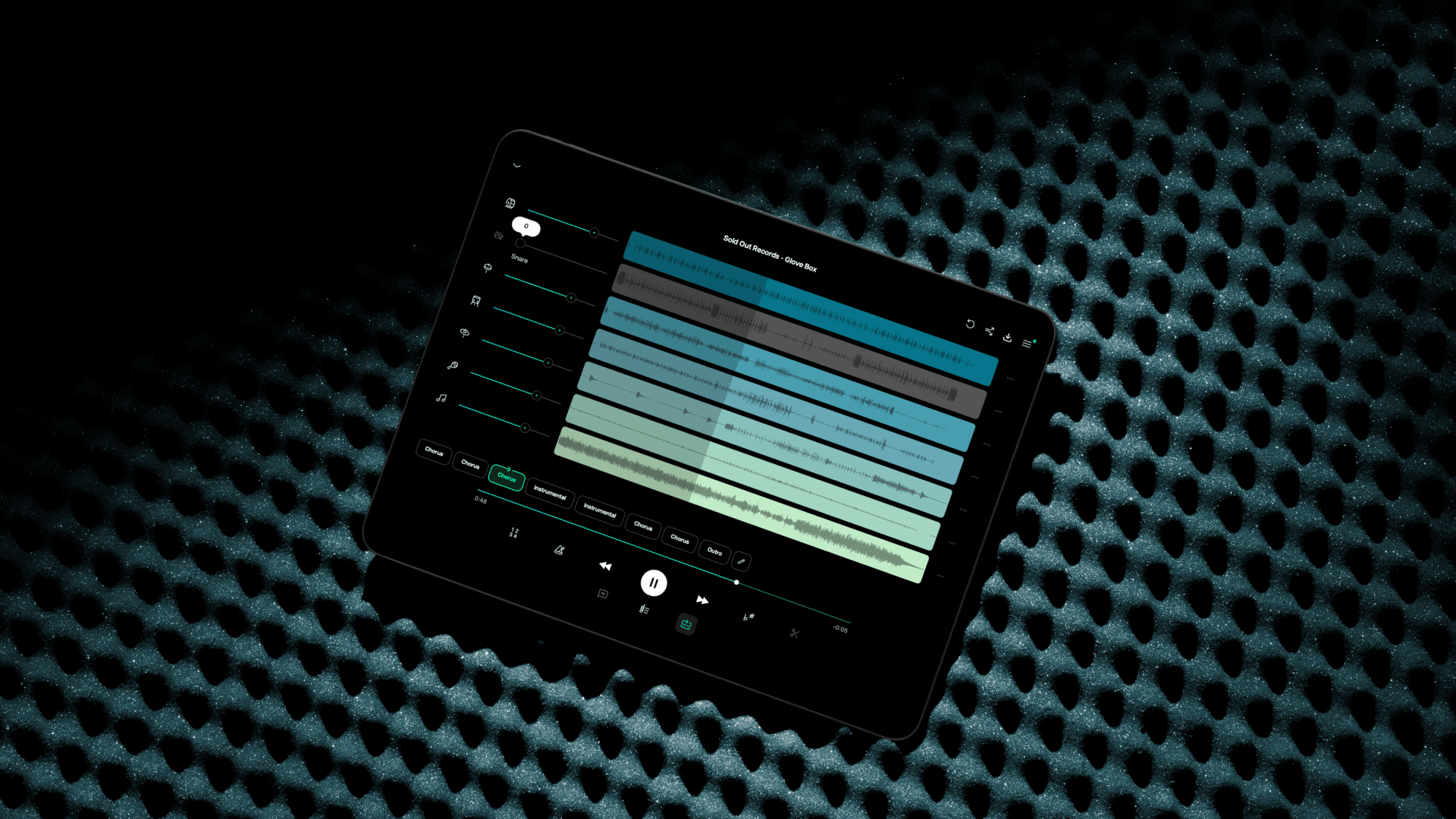
On-screen, that shows up as clear stem separation, editable layers, adjustable parameters, and the ability to isolate, tweak, or remove elements rather than generate something opaque in one click. You see and shape the process, and the AI assists, but it doesn’t replace your creative judgment.
Why launch the partnership with a global remix competition, and what did you want it to demonstrate about the platform?

Our “Jam Sessions” remix competitions are a staple at Moises because they put the tools directly in creators’ hands and let them work with real stems from world-class artists.
Our previous edition with 5X GRAMMY winner Cory Henry drove incredible engagement, and doing one with Charlie was a natural extension. The Jam Sessions help us demonstrate the core belief our company was built upon, which is that AI can amplify creativity while the outcome still reflects the artist behind it.