What Junior Sanchez Wants to Hear From New House Producers at WMC 2026
Brobot Records enters the A&R Pop-Up Lounge with the history of house behind it.
Founded in 2013 by Junior Sanchez, the label has spent over a decade building a catalog that links club pedigree with emerging talent, and the discography shows that clearly. The roster spans house figures like Felix Da Housecat, Todd Terry, Jesse Rose, Harry Romero, and DJ Sneak, as well as artists who have grown alongside the label, including Jesusdapnk, Blaqwell, Teddy Wong, Ant La Rock, KC Wray, Pinto, Gettoblaster, and The Fcukers.
That range gives Brobot a whole lot of industry cred coming into WMC, and the timing couldn’t be better. The label has now hit its 200-release mark with Junior Sanchez ft. Darlene McCoy’s “Got To Release” is a milestone that speaks volumes about the platform’s consistency and the community built around it.
That gives Brobot a dominant place inside WMC’s A&R Pop-Up Lounge, which is built around short, direct conversations between artists and the teams signing and developing music right now.
For badge holders, the value is clear. You get time with the people making release decisions, you can hand over music directly, and you can hear what a label is listening to without the usual distance that comes with inboxes, forms, and cold outreach. Brobot also arrives with recent releases that give those conversations even more importance.
Currents’ “The Faith” became one of the label’s top sellers on Beatport and Traxsource and picked up major DJ support, while Jesusdapnk ft. Ivonne Calvillo’s “Under Your Skin” in Teddy Wong’s remix showed how quickly a Brobot release could move once TikTok grabbed hold of it during the pandemic.
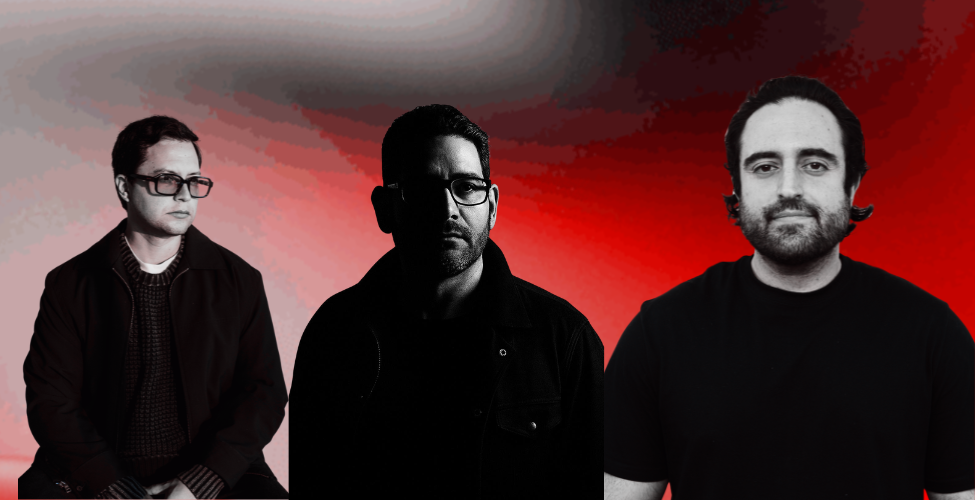
In this conversation with Brobot Records founder Junior Sanchez and Label Manager Alejandro Bustamante-Martinez, a few themes come through clearly.
Their answers point to a shared standard at the label: records need perspective, producers need to study the roots of the form, and artist relationships work best when there is real alignment around music, trust, and long-term growth.
Interview With Brobot’s A&R Team
When a house record lands on your desk, what is the biggest thing that makes it stand out even after all these years of running a label?
Alejandro: Originality is the number one thing that stands out to me. In a world where we have an oversaturation of music being released and much of it sounds very similar, originality becomes the key factor. When a track has its own identity or perspective, it immediately grabs my attention.
Junior: For me it’s always about feeling first. I’ve heard thousands of demos over the years, so what cuts through is when a record immediately gives you a moment a feeling of uniqueness. Maybe it’s a groove, a vocal line, a bassline, or even just the swing of the drums. Something that feels human and intentional. I know my partner, Alejandro, who handles many of the A&R aspects of the label, has the same standards.
A lot of records are technically good today, but the ones that stand out are the ones where you can feel the personality behind it. Something different, when I hear something, and I instantly think, “I want to play this in my set tonight,” that’s usually the sign it’s special.
How can you tell the difference between somebody producing a record that “works” and when the artist has a unique sense or style, taste, or sound?
Alejandro: It really goes back to that first point. A record that “works” is often built around current trends and designed to fit a specific moment in a DJ set. There’s nothing wrong with that at all. We all need those tools. But the records that resonate the most and have the biggest impact are the ones where an artist develops their own sound and style. Those are the tracks that make you stop for a second and think how they were produced.
Junior: You can hear it in the choices they make. Someone making a record that “works” usually follows the formula: the same drum sounds, same arrangement, same drops everyone else is using. It’ll function on a dancefloor, but it doesn’t really say anything. Having or learning in creating your own sound print is what’s important if not your no different than anyone else.
When someone has taste or identity, they start making decisions that aren’t obvious. Maybe the drums are swung differently, maybe the chord progression feels a little unexpected, maybe the mix has a rawness to it. It feels like their fingerprint. That’s the stuff I’m always looking for with Brobot Records. Not just tracks that work, but tracks where you can hear the artist.
What do newer producers often miss when they aim for a house record with a classic, timeless sonic aesthetic?
Alejandro: To achieve that timeless feel, you really have to do your homework and listen to the older records that defined the sound. Understanding the production, the groove, and the influences behind those tracks is important. If you’re sampling, it also helps to sample from the same eras those producers were pulling from so it feels authentic rather than forced.
Junior: A lot of people focus on the sound design but forget the attitude. Like punk rock is not just music, it’s an attitude, and in every genre of music, you can have that punk aesthetic. You just have to have attitude. Classic house records weren’t trying to sound classic. They were just people making music with what they had, often very quickly, and there was a lot of soul in it. Imperfections, rough edges, things slightly out of tune or out of time. They were created out of uniqueness and experimentation.
Now people try to recreate the gear or the plugins, but they overthink it and polish it too much. Or just remake songs that already exist, like covers. Let’s use Crystal Waters, for example; we don’t need another Gypsy Woman, as we already have one, what we do need is a new Gypsy Woman! The magic of house music has always been fresh and unique songs or tracks that didn’t follow the herd…
When you meet a new artist in person, compared to online interactions, what are some signs that you know you’ll want to work with them?
Alejandro: Respect is a big one for us. We want to work with people who genuinely believe in the label and what we’re building, and who trust that we can help push their music. It’s very different from someone who just sees the label on a big DJ’s tracklist or chart and wants to use it as a stepping stone. The artists we enjoy working with the most are the ones who want to grow with the label and be a part of the journey with us.
Junior: Energy and intention. When you meet someone in person you can tell right away if they really live this culture or if they’re just chasing a moment. The artists I want to work with are usually curious, humble, and obsessed with music. They’re the kind of people who want to talk about records, scenes, ideas… not just streams and numbers. I also pay attention to whether they’re open. The best collaborations happen when someone has their own voice but is still willing to grow and experiment.
If someone has passion, a strong point of view, and is genuinely about the music, that’s usually someone I’m interested in building with.