How LabelRadar Helps Producers Reach Labels Faster
For many producers, getting music heard still comes down to access, and that can feel frustrating in an industry that keeps insisting the gatekeepers aren’t a thing anymore. The word gets thrown around so often that it loses value, especially when companies, brands, and personalities use it without showing artists where real opportunities actually exist.
“Access” can only move the needle for developing talent when it points to direct routes to labels, remix contests, and submission channels built to handle new music in an organized, professional way.
That is where LabelRadar has established itself as a driving force in dance music.
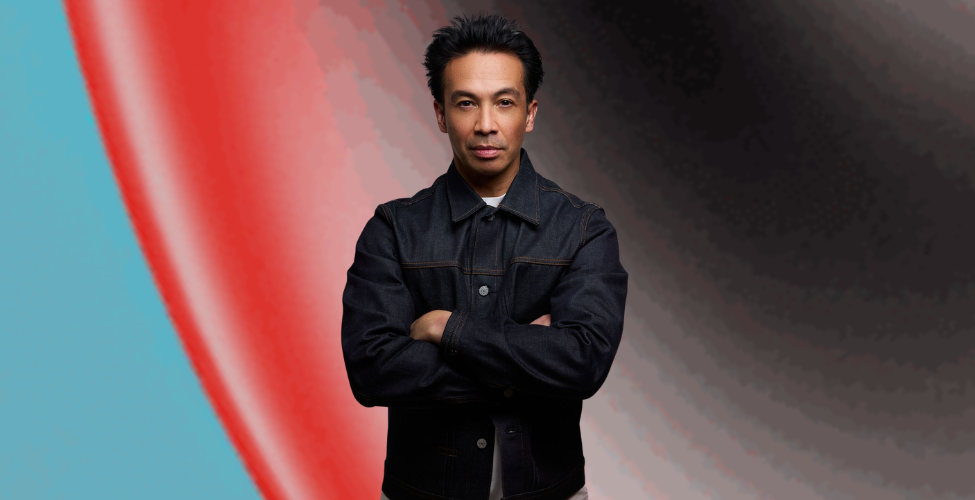
The platform gives artists one place to submit demos, enter remix contests, build a profile, and stay connected to active opportunities, while labels get a structured system for reviewing tracks and finding new talent. In the context of Winter Music Conference 2026, LabelRadar easily fits into the broader ecosystem and ethos of the conference this year, as it’s built around education, connection, and practical tools that help artists move their work forward; really, their A&R Pop-Up is just icing on top of an already essential cake as artists can connect directly with industry legends like Jr. Sanchez and the A&R team at Too Lost.
Who LabelRadar Is
LabelRadar is a platform centered on demo submissions, artist discovery, and contest management. For labels, it offers a custom submission portal that can be embedded on a website or shared across social channels, along with a dashboard for managing direct submissions and a broader General Submissions feed.
For artists, it provides a clearer route into the submission process through profile building, targeted demo sends, and open opportunities inside the platform itself. Instead of relying on scattered inboxes and outdated contact lists, producers can work through an active, searchable system built for current A&R workflows.
What It Does for Labels and Artists
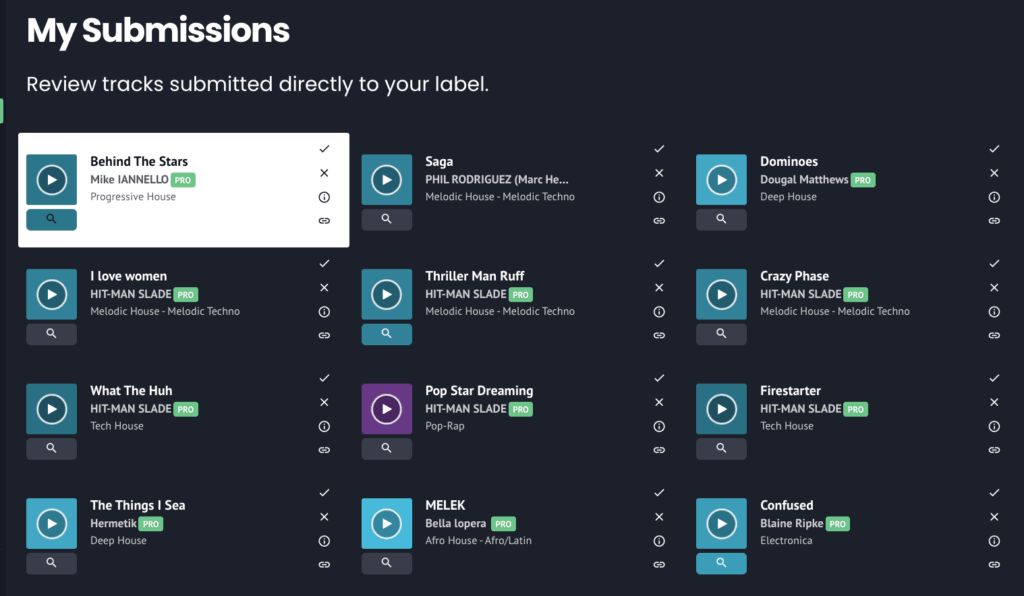
The value of LabelRadar comes from how much of the review process it covers after a track gets uploaded.
Labels can organize incoming demos by genre, country, and trending status, preview 20-second clips, shortlist tracks, start chats with artists, and confirm signed deals inside the platform. Artists can submit directly to individual labels or use one-to-many submissions, which place a track in the General Submissions pool for 60 days and widen the number of labels that can hear it.
That gives the platform a useful role on each side of the exchange. Labels save time, artists gain visibility, and the path from finished music to label review becomes much clearer.
Why Producers Should Pay Attention
One of the strongest parts of LabelRadar for producers is its remix contest system.
These contests are a way for producers to dial in their production chops, gain exposure, and connect with labels and artists through structured contests with set deadlines. The recent Fejká “Azur” remix contest is a perfect example. The contest (which is live right now) gives smaller artists a chance to land an official release on the Azur (Deluxe Edition) album and includes an artist spotlight, while the wider mix of partners include leading industry names contributing cool prizes and studio gear.

That kind of activation, with LabelRadar acting as the hub and connective tissue for these various leaders in the industry, gives newer producers something concrete to work toward and places their music within a campaign that already has label, media, and product support.
That is why LabelRadar fits so well around the Winter Music Conference without dominating the conversation. It reflects what many producers are looking for when they attend WMC in the first place: clearer access, better submission routes, and direct contact with the people signing records and building campaigns.
For artists trying to move with more intent in 2026, LabelRadar has become a genuinely useful platform to know.