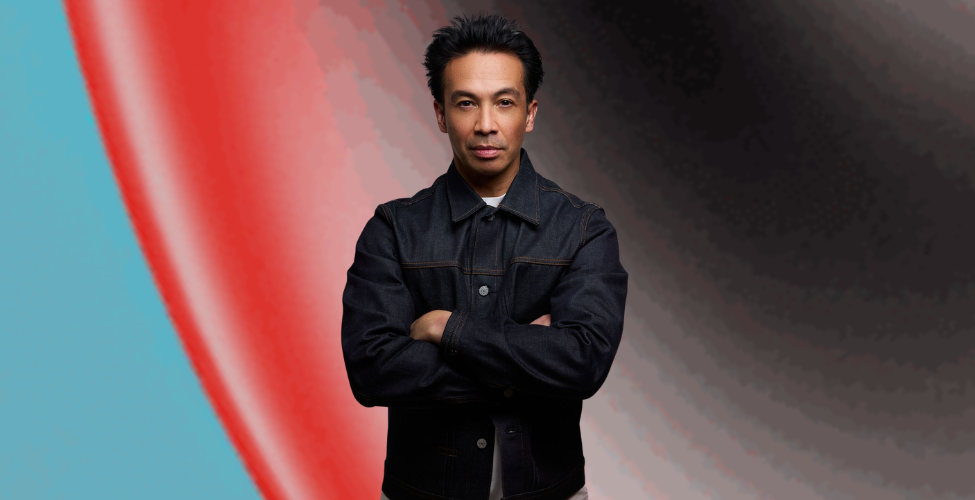
Romain Pouillon Brings a Big-Picture View of DJ Culture to Winter Music Conference

As Winter Music Conference returns to Miami, one of the biggest and most timely conversations on this year’s program comes from Romain Pouillon, Chief Strategy Officer at Algoriddim and a panelist on the workshop Zen and the Art of DJing: Balancing Craft and Creativity.
Pouillon will be bringing a perspective shaped by experience across the entirety of DJ culture and ecosystem, from underground club culture to the software and platform companies that have helped define how modern DJs perform. That range gives him a rare point of view at a time when the culture is still adjusting to the speed, scale, and convenience of digital tools.
“Technology should disappear in the background of a great DJ set. When that happens, what people experience isn’t the tools: it’s the story the DJ is telling through music, when his intuition is turning a mix into a memorable moment.” – Romain Pouillon
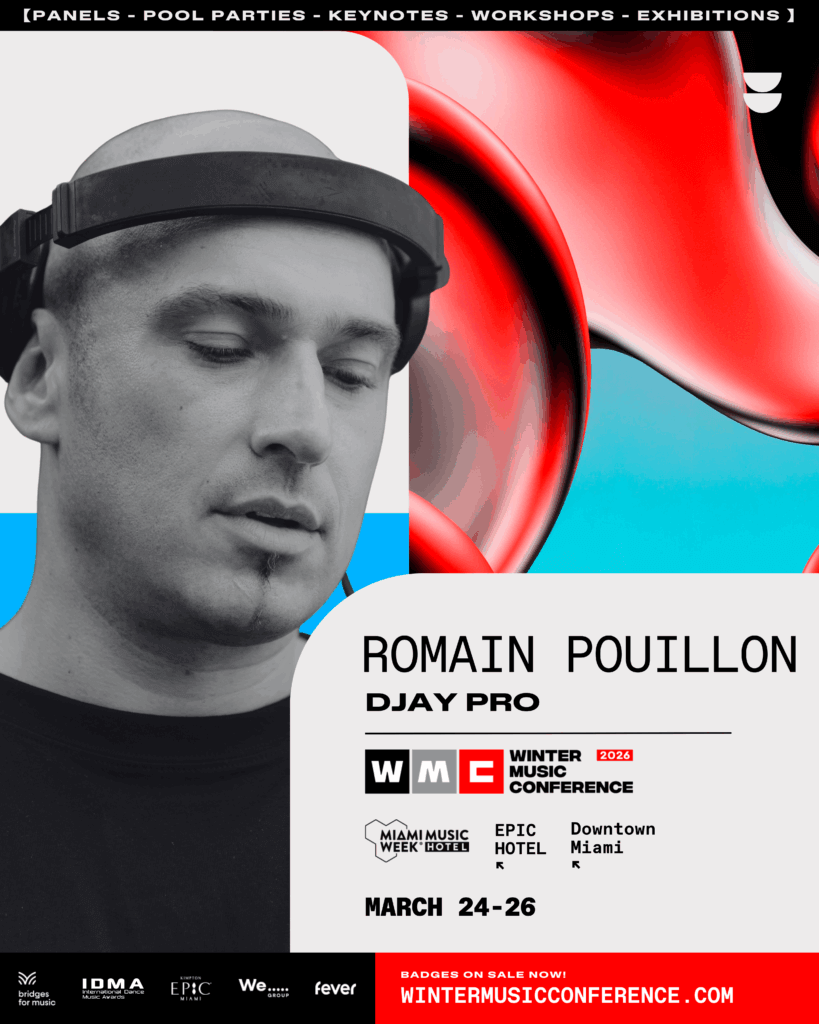
Across more than a decade working at the intersection of DJ performance, hardware, and software, Pouillon has built a career inside companies that have had direct influence on how DJs discover, organize, and play music. His background includes work with Native Instruments, Beatport, and now Algoriddim, where djay has become one of the most widely recognized platforms in the modern scene.
“Dance music culture moves forward through technology, but its soul still lives in the connection between a DJ, the music, and the people on the floor.” – Romain Pouillon
In his view, the future of DJing depends on keeping the human side of the culture intact while technology continues to expand what performers can do. His philosophy on intentional track selection, real-time awareness, accessibility, and artistic identity points to a broader idea at the center of this year’s workshop: the strongest DJs are still defined by taste, presence, and perspective, even as the tools around them continue to evolve.
For WMC attendees looking for a clear-eyed conversation about where DJing is headed next, Pouillon brings the authority that comes from having worked within the systems shaping it.
Interview With Romain Pouillon

Why do gatherings like Winter Music Conference still matter for DJs when so much of the industry now operates online?
Even though much of the industry now operates online, gatherings like Winter Music Conference still play an important role because they reconnect the human side of the culture.
DJing has always grown out of physical spaces like clubs, record shops, and conversations between artists. Those environments spark ideas and collaborations in ways that digital communication rarely can. Events like WMC remind us that behind the platforms and tools, dance music is ultimately about experience and the memories shared on the dancefloor.
PS: I am also very happy to see the return of the Beatport party for this edition!

Where do you think DJs often lose the balance between technical skill and artistic intuition?
It usually happens when technology becomes the focus rather than the music.
Tools are incredibly powerful today, but they should support the emotional flow of a set rather than dominate it. DJing, at its core, is about awareness and real-time interaction: reading the room and responding intuitively to the energy on the dance floor.
When that awareness is present, technique naturally becomes a tool for expression instead of the goal itself. This is exactly the philosophy behind our app djay: to empower real-time creativity by combining accessibility with powerful technologies such as real-time stem separation or fluid beatgrids.

What lessons from early DJ culture still matter in a modern environment dominated by digital tools and streaming libraries?
Intentionality is probably the biggest one. When DJs were digging through crates of records at the store, every track meant something because discovering it took time and effort. That process shaped identity and taste.
Even with today’s massive digital libraries, that mindset still matters: DJing is ultimately about selection and perspective.
When technology lowers the barrier to entry for DJing, what qualities separate long-term artists from short-term trends?
Lower barriers are actually a great thing because they invite more people into the DJ culture. But longevity usually comes from developing a personal voice and a deeper relationship with music and the audience.
The artists who last tend to approach DJing as a craft that evolves over time. Technology can help you perform, but authenticity and musical perspective are what people remember.
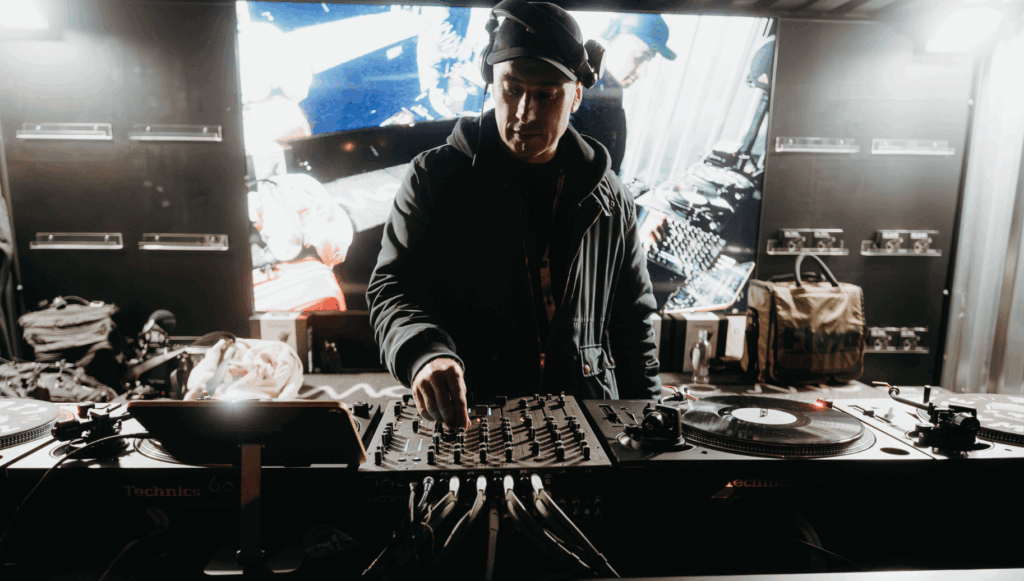
What originally motivated the creation of djay, and what problem in DJ culture were you trying to solve at the beginning?
When we started working on djay at Algoriddim, the idea was to make DJing more approachable without losing its creative depth.
Traditional setups were often expensive and intimidating, which prevented many people from experimenting with mixing music. We wanted to create something intuitive that could run on devices people already owned.
The goal was to open the door to DJing for anyone, while still supporting the craft as users grow and develop their skills.

Why do you think accessibility in DJ technology has become such an important topic for the next generation of DJs?
Accessibility expands who gets to participate in DJ culture, and that diversity strengthens the scene.
When tools become easier to use, new perspectives and sounds enter the ecosystem. Having worked across companies like Native Instruments (Traktor), Beatport, and now Algoriddim, I’ve seen how technology can empower creativity when it’s designed thoughtfully.
Ultimately, the tools should disappear into the background so the music and the artist’s voice can come forward.