
Backline’s B-LINE Puts 24/7 Mental Health Support Where Music Needs It Most
Image Credit: Emilio Herce
The music business has spent years talking about burnout, artist welfare, and the toll of life on the road, and a lot of people can name the contributing factors without even blinking. And yet far fewer have built systems that actually work at 2 a.m. after a show, during a tour run, or in the gap between public pressure and private crisis when the worst of the worst parts of mental health for artists rears its ugly head.
That is why Backline keeps coming up in almost every meaningful industry conversation on the topic right now in the lead-up to Winter Music Conference 2026. Its work has long centered on helping music professionals and their families find care through case management, therapy grants, tour support, and wellness resources that reflect how this business actually operates.
With B-LINE, its new 24/7 mental health and crisis support line, Backline has taken that mission to immediate response (Call 855-BLINE99 or text 254-639 for 24/7 support from trained crisis counselors).
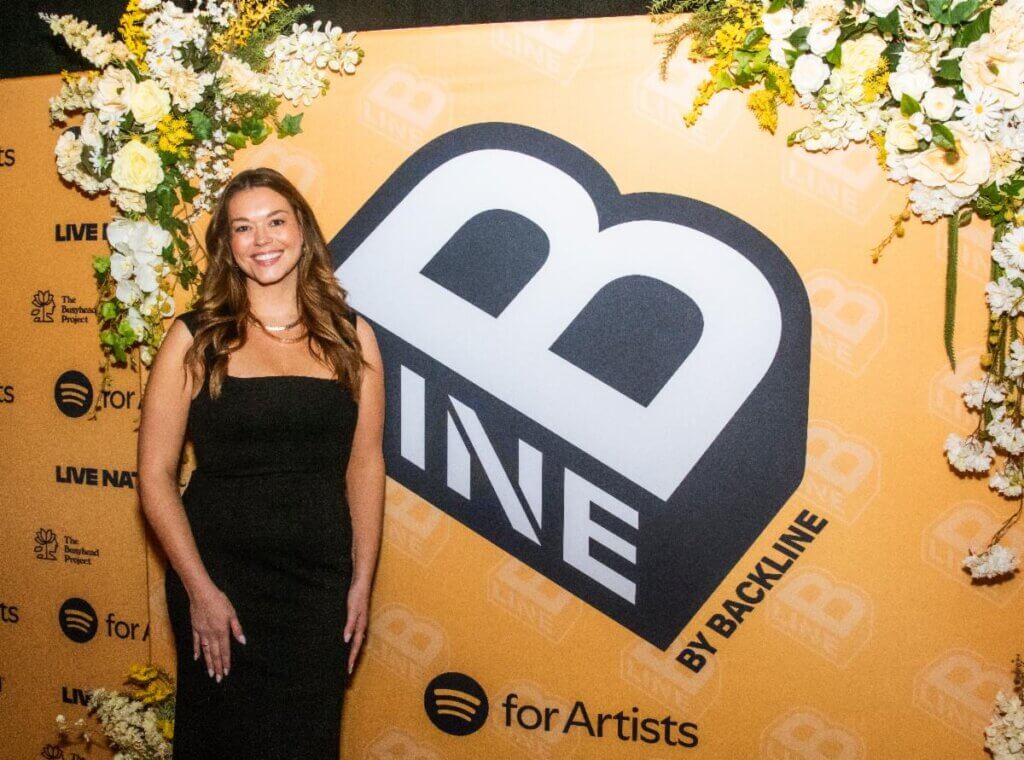
The early metrics give their position in the wider dialogue much more importance than you might think. B-LINE launched on January 27, and in the first week, they assisted over 80 people. That response says a lot about the need, but it also speaks to Backline’s ability to help at a quickened scale. People working in music often deal with long hours, overnight travel, unstable routines, isolation, substance use concerns, and the pressure that comes with public-facing work. Those issues rarely arrive during the regular 9-5 work hours.
Backline’s relevance comes from understanding reality and building care around it, rather than asking people in crisis to wait.
Care Built Around Music’s Actual Schedule
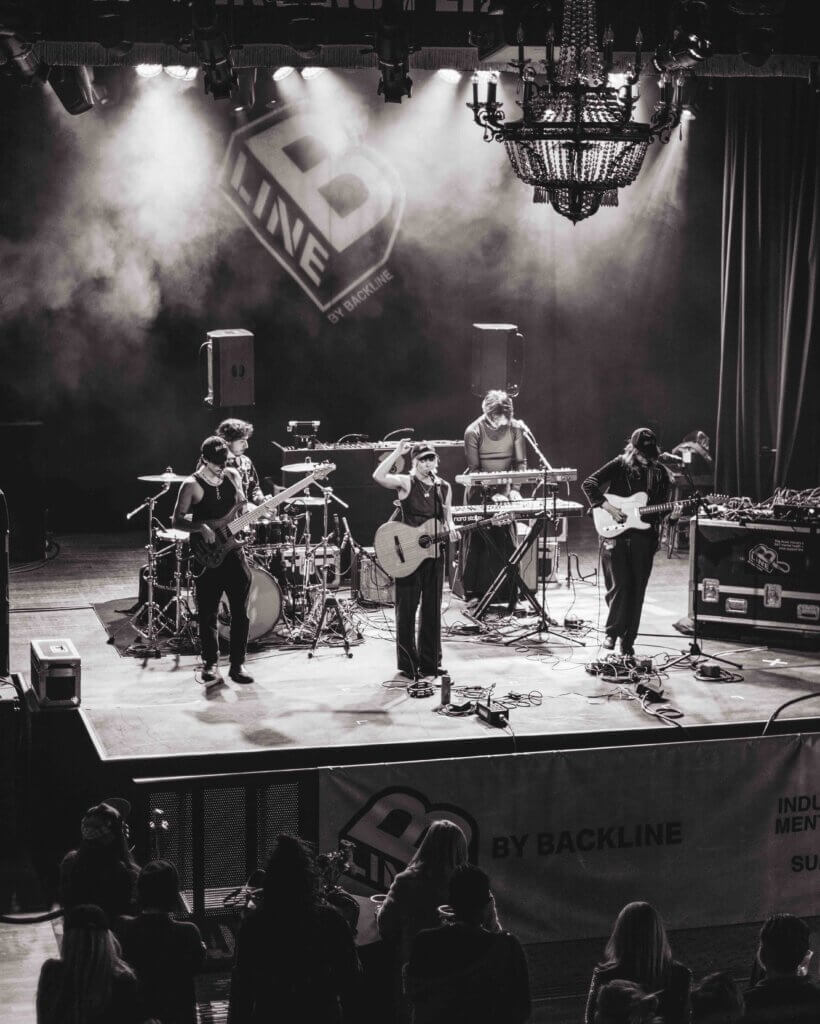
One reason Backline has earned a bit of less-than-obvious moral high ground here in this conversation is that it addresses the hours and conditions that define music work. Touring, nightlife, event production, artist management, media, and label operations can all blur the line between work and personal life. It always has in music, but the instant access to audiences and industry pros alike via your phone makes it even more demanding.
A general support system may help, but a line designed for people inside music changes the starting point. B-LINE connects callers with trained counselors who understand the pressure points around touring, clubs, live events, and the support teams behind them.
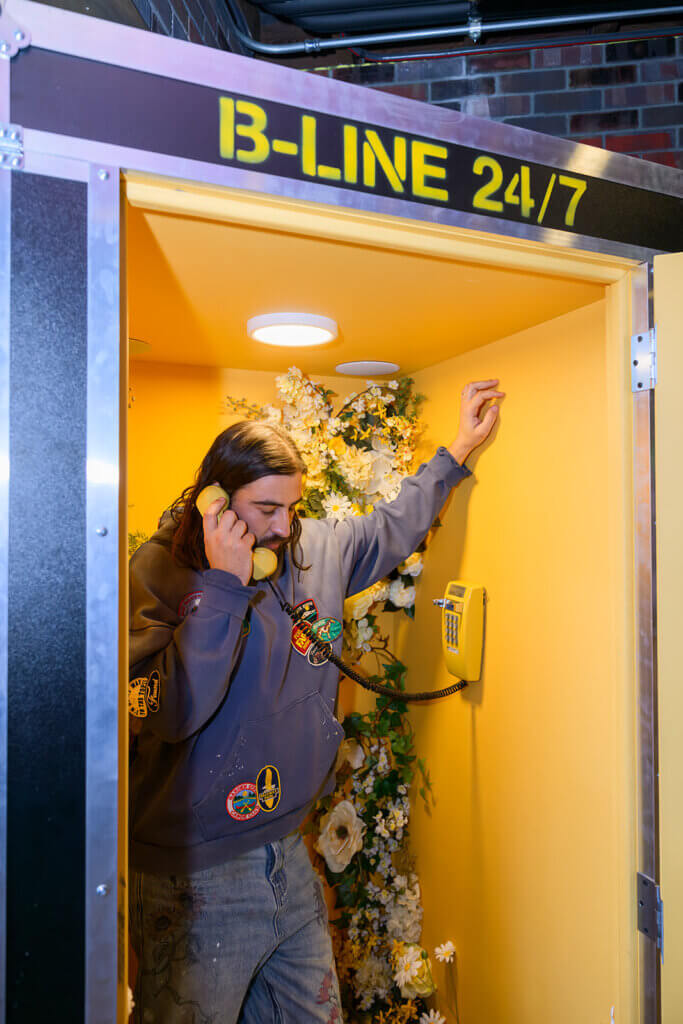
That context is vital here because mental health resources often fall short when they ignore how this field operates. Backline has spent years building trust by focusing on access and follow-through, and B-LINE adds a direct point of entry during moments when timing is critical. It also creates a path into longer-term care, which gives the service real substance beyond the first call or text.
Support from Spotify, Live Nation, AEG Presents, Red Light Management, Wasserman Foundation, and other backers shows that major parts of the business recognize the need and are willing to invest in an answer.
Why The Conversation Feels Urgent Right Now
As artists, managers, promoters, publicists, and platform teams gather during a busy stretch of the year, Backline feels especially relevant because its work touches nearly every layer of the industry.
It applies to performers and touring crews, but it also applies to assistants, executives, freelancers, family members, and anyone helping keep this business moving. When people start talking about sustainability, healthy careers, and the cost of constant availability, Backline is already contributing something concrete.
That is what makes the organization important in the current discussion.
It is bringing infrastructure to a subject that has often been handled through broad concern and good intentions. Backline is helping move mental health support closer to standard industry planning, where it should have been all along. For a business that runs late and moves fast, B-LINE feels overdue, and the response to its launch suggests people were ready for it.