Radio Slave on Rekids at 20, Staying Busy, And Winter Music Conference 2026
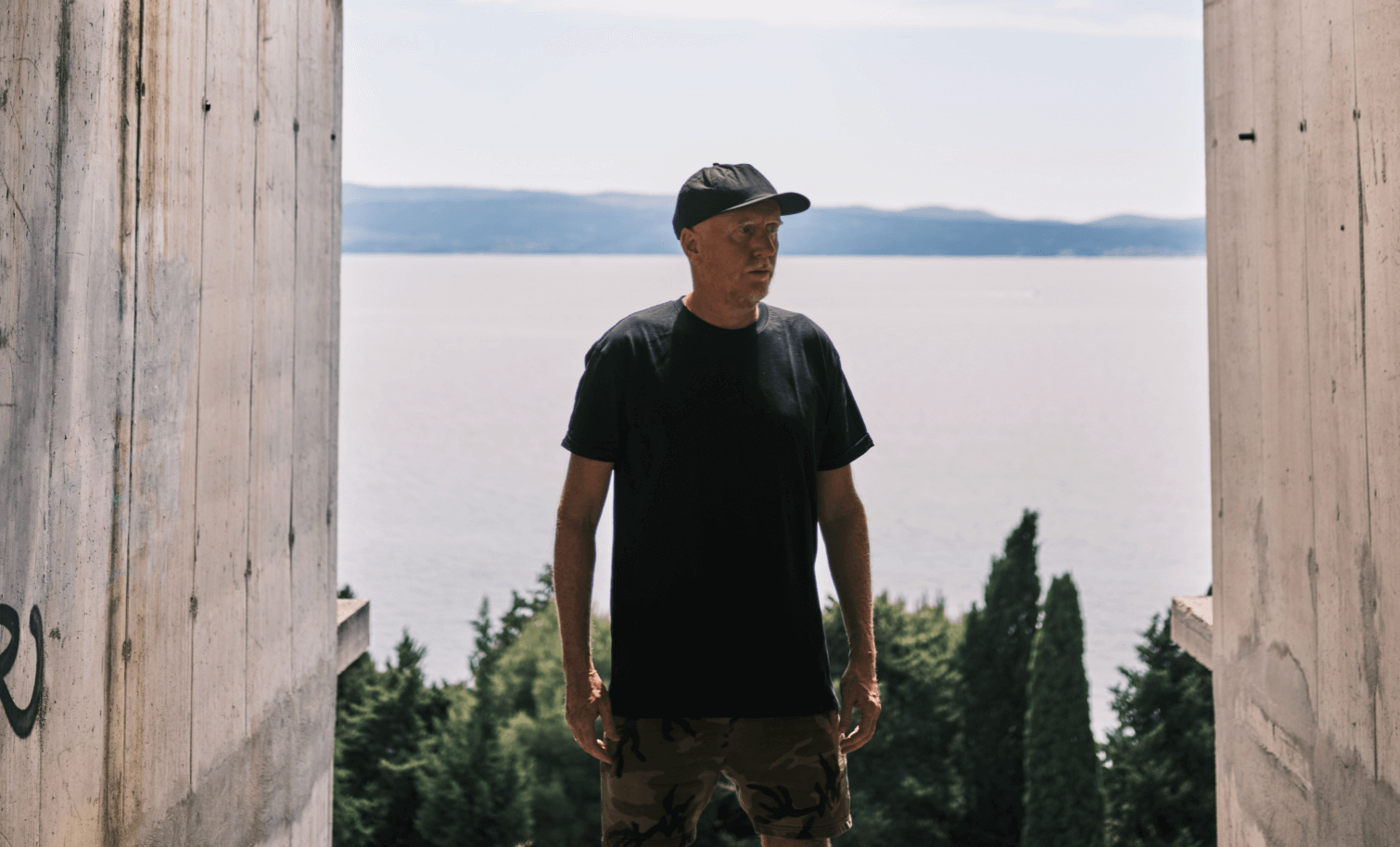
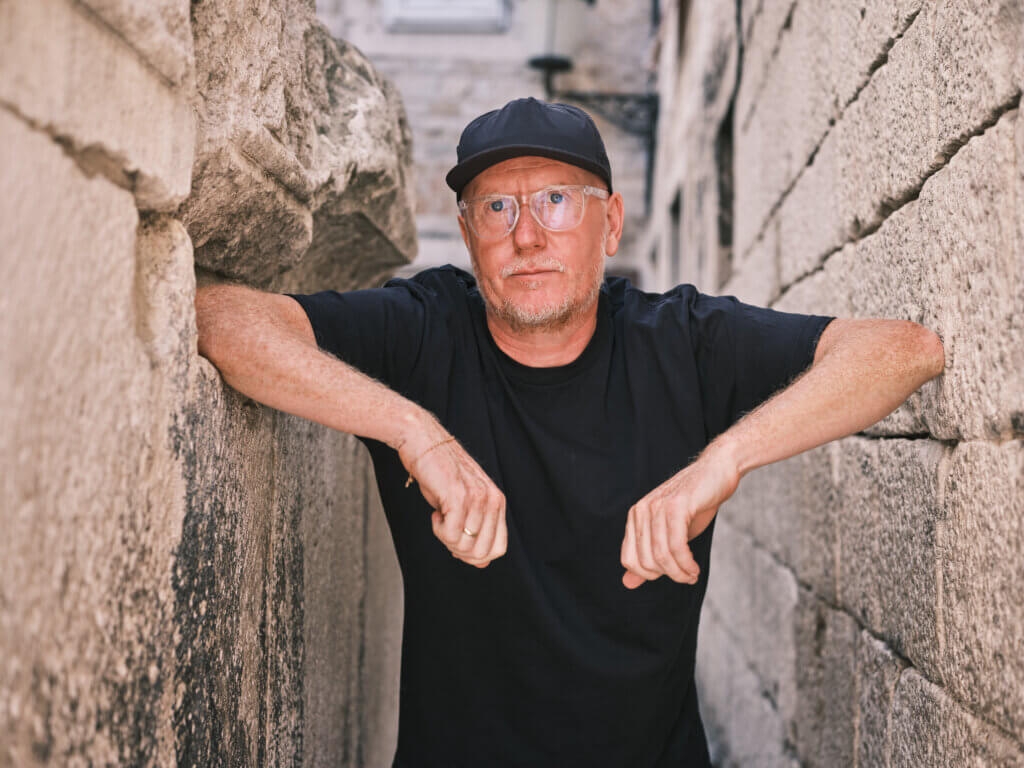
Above Image Cred: Darko Škrobonja
Rekids turns 20 in 2026, and Matt Edwards, better known as Radio Slave, treats the anniversary like an active operating year instead of a retrospective lap. He runs Rekids alongside other imprints, and he frames the milestone around the artists, the team, and the next release, with no “best of” package planned and no pause in output.
That forward-leaning posture aligns perfectly with the Winter Music Conference’s overall programming philosophy later this month, since WMC is built around real-time conversations, networking that actually moves the needle, and events that keep the week moving.
Radio Slave also appears alongside other industry titans such as DJ Minx on the WMC schedule for the panel Beatport Presents: DJs Are The Original Influencers, and the topic lands directly in his wheelhouse because he has lived through multiple eras of DJ culture, from tastemaker-first club circuits to today’s social-forward ecosystem.
In our interview, he covers why he keeps his focus on new music and new events, how he thinks about the label’s roster across generations, and how he approaches partnerships with fashion, and what he protects most as Rekids moves into its third decade.
It says a lot about how the operation actually runs day to day.
This conversation also ties into WMC’s three-day pool party series hosted by Beatport Live at the Kimpton EPIC pool deck that runs March 24, 25, and 26, 2026. Rekids is one of the three label showcases in that daytime run alongside Mood Child and Hot Creations x Three Six Zero Recordings, and access is included with a Winter Music Conference Pro badge, with single-day options available via DICE per day.
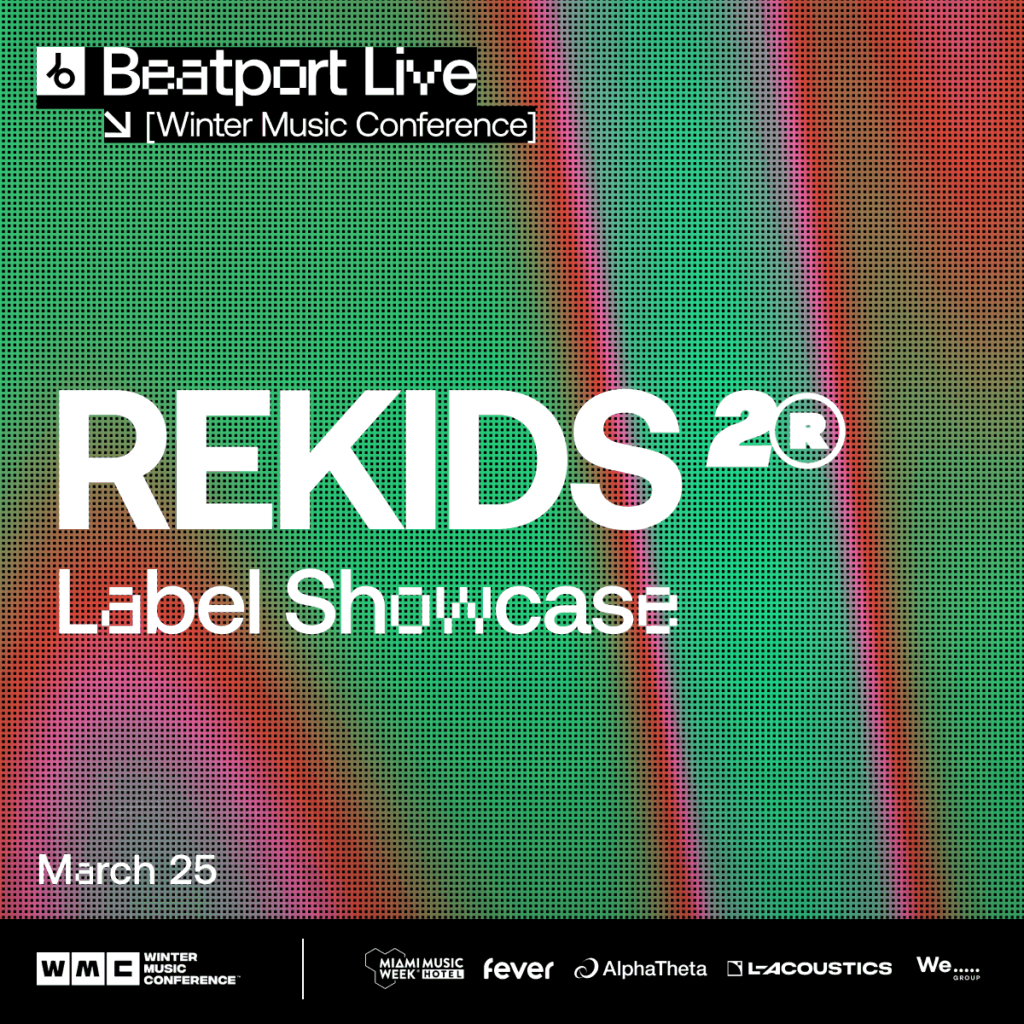
If you are planning your week around the official hotel, these parties sit right inside the core footprint of the conference, and they give the label’s 20-year mark a public-facing moment that connects directly to the current roster, the current schedule, and the current room.
Interview With Radio Slave
When you look at Rekids turning 20, what does that number actually represent to you beyond longevity?
I’m always looking forward with the label so this year is really just a celebration for the artists and all involved. We’re such a busy company – at the moment we’re running four labels – and the focus is always about what’s next/the future so we haven’t even scheduled a compilation or a ‘best of’ to mark the anniversary.
We are curating more House of Rekids events this year to celebrate, though, and our release schedule is as strong as it ever was, so I’m looking forward to the year ahead!
A lot of labels slow down once they hit a milestone year. You’ve made it clear the release schedule continues as normal. Why was it important that the anniversary didn’t interrupt forward motion?
I recently watched an interview with Tony Hawk where he spoke about not keeping old trophies and thriving on what’s next.
Whether it’s obsessing over new tricks or planning events and I guess I have the same attitude with the label. It’s great to look back but the thrill is in the chase and I feel like we have such an incredible pool of super prolific artists right now with Rekids and I just want keep putting out original and exciting new music for the dance floors.
You’ve released music from Joe Claussell, Robert Hood, Ian Pooley, Mark Broom, and early records from Nina Kraviz and Peggy Gou. What connects those artists in your mind?
Well some of these artists have been easier to work than others, but thats another story!
In general I’m just looking for really interesting and unique music. From the underdogs that deserve the spotlight to the geeky oddball producers who don’t want to be the pinups.
There’s no rule book and Rekids has certainly worked with some real characters over the last twenty years but I think this motley crew of artists has definitely shaped the label and given it character.
There’s a lot of conversation right now about DJs as influencers. From your perspective, how has the role of a DJ shifted since the 90s?
DJ’s were the original influencers when it came to music and if you go back to late 70s, DJ’s such as Larry Levan were the tastemakers for record buyers and radio DJ’s in New York and beyond. The records the DJs broke in club could become hits.
Quite a different story to what we now consider influencers and I have mixed feeling about whether a DJ is really an influencer in 2026 as much of the culture around the DJ has become quite embarrassing.
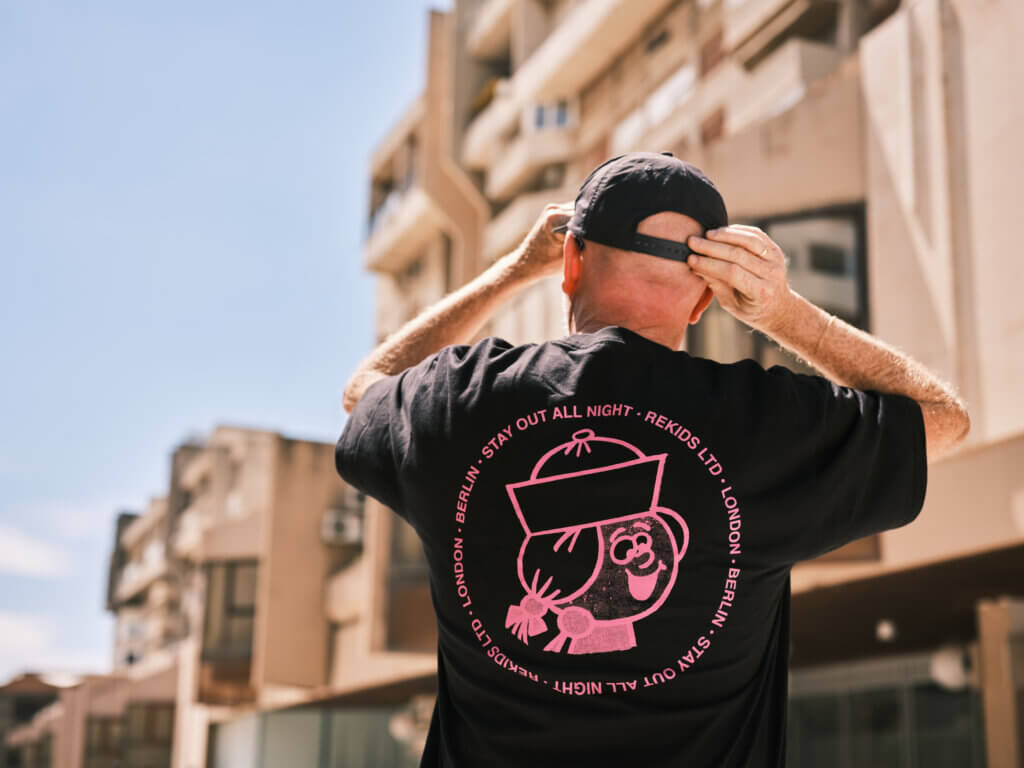
Rekids collaborates with brands like Is-ness, Beams, and Medicom. How do you evaluate partnerships without compromising the music-first focus?
I’ll always look at our scene as a sub culture that connects all kinds of creative art forms.
My background is graphic design, so having Rekids has enabled me to explore so many cool projects. From doing art shows in London with Joe Claussell and Misha Hollenbach to making collectable figures with one of the best toy companies in the world.
To me these thing go hand in hand and I’ve always admired record labels such as Warp and Ghostly that have such a strong connection within the design and fashion worlds. Its through labels like this that the fans discover new talent and we need to support the arts.
What are you protecting most carefully as the label enters its third decade?
My label manager. I couldn’t run Rekids without him.