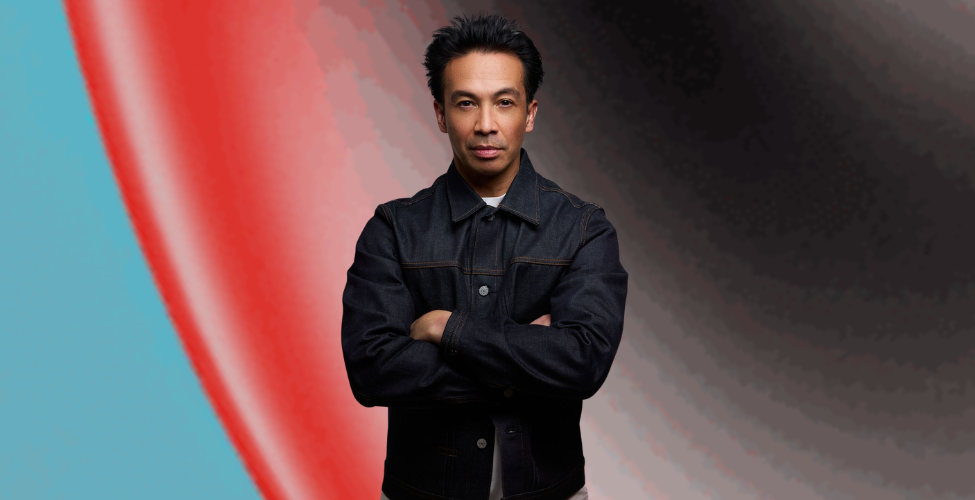
Ahead of WMC 2026, Moises Signals How Music Brands Want To Talk About AI

As Winter Music Conference 2026 gets closer, one of the clearer themes taking shape is how music brands are choosing to frame AI in public.
The tone has changed fast, faster than many industry professionals would have ever expected.
Companies are moving away from broad promises about disruption and leaning harder into utility, workflow, and artistic control. That is what makes Moises’ latest move worth paying attention to in the lead-up to this year’s conference. By naming Charlie Puth as Chief Music Officer, the company is doing more than announcing a high-profile hire and it is instead making a public statement about how it wants its technology understood by the music business at a time when WMC is already reframing AI, creator tools, and what a modern music workflow looks like from an ethical, artistic, and technical sense.
That matters a whole lot right now because much of Winter Music Conference’s programming is centered around the practical side of music technology. With panels and workshops covering Ethics and Adaptation of AI in the New Streaming Era and Using AI Without Losing Your Sound, they point to the question hanging over much of the business right now:
How are companies and artists alike talking about AI in a way that feels useful to artists instead of threatening them?
A Smarter Way To Position AI Before Miami
Moises seems to understand where that conversation is headed.
The platform has built its reputation around tools musicians can apply right away, including stem separation, chord detection, arrangement analysis, and practice features that fit into existing creative routines.
That is a much easier message for the industry to work with because it connects AI to recognizable studio and rehearsal tasks instead of abstract claims about the future of music. In other words, the company is presenting AI as something that can support a musician’s process, save time, and open up a few more options during writing, learning, or prep.
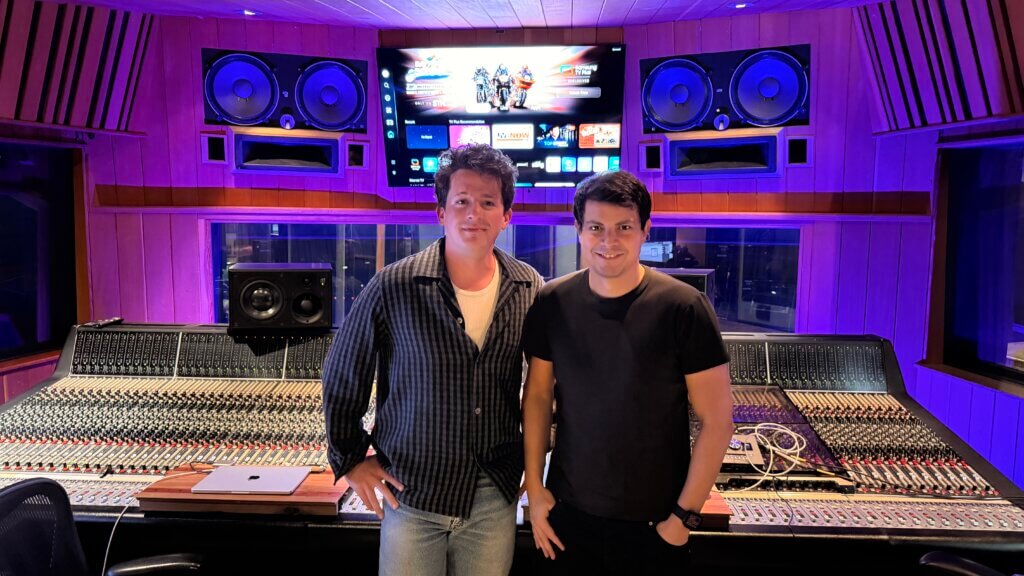
Bringing in Charlie Puth sharpens that message. He is widely known as a songwriter, producer, and an artist with an educator’s mindset, so his role gives Moises a public face that carries real credibility with musicians. For brands operating in this category, that kind of credibility matters.
The companies getting traction right now are the ones making AI feel closer to a studio tool than a replacement for creative work, and Moises is positioning itself right in that lane ahead of Miami.
WMC Is Where These Conversation Start To Really Matter
For Winter Music Conference, that makes the story feel timely in a real editorial sense. WMC has always worked best when it tracks the ideas and products already shaping the business before everyone gets in the same room to talk about them.
Moises fits that approach because this is more than simply a celebrity appointment story; it reflects a broader pattern across music tech and artist services, where brands are trying to show that AI has value when it improves how musicians outwardly express what drives them internally.
Ahead of WMC 2026, that is one of the more useful angles to watch, and Moises has placed itself near the center of it.